
Table of Contents
Ultimate Wedding Shopping Checklist 2026: The Complete Indian Timeline
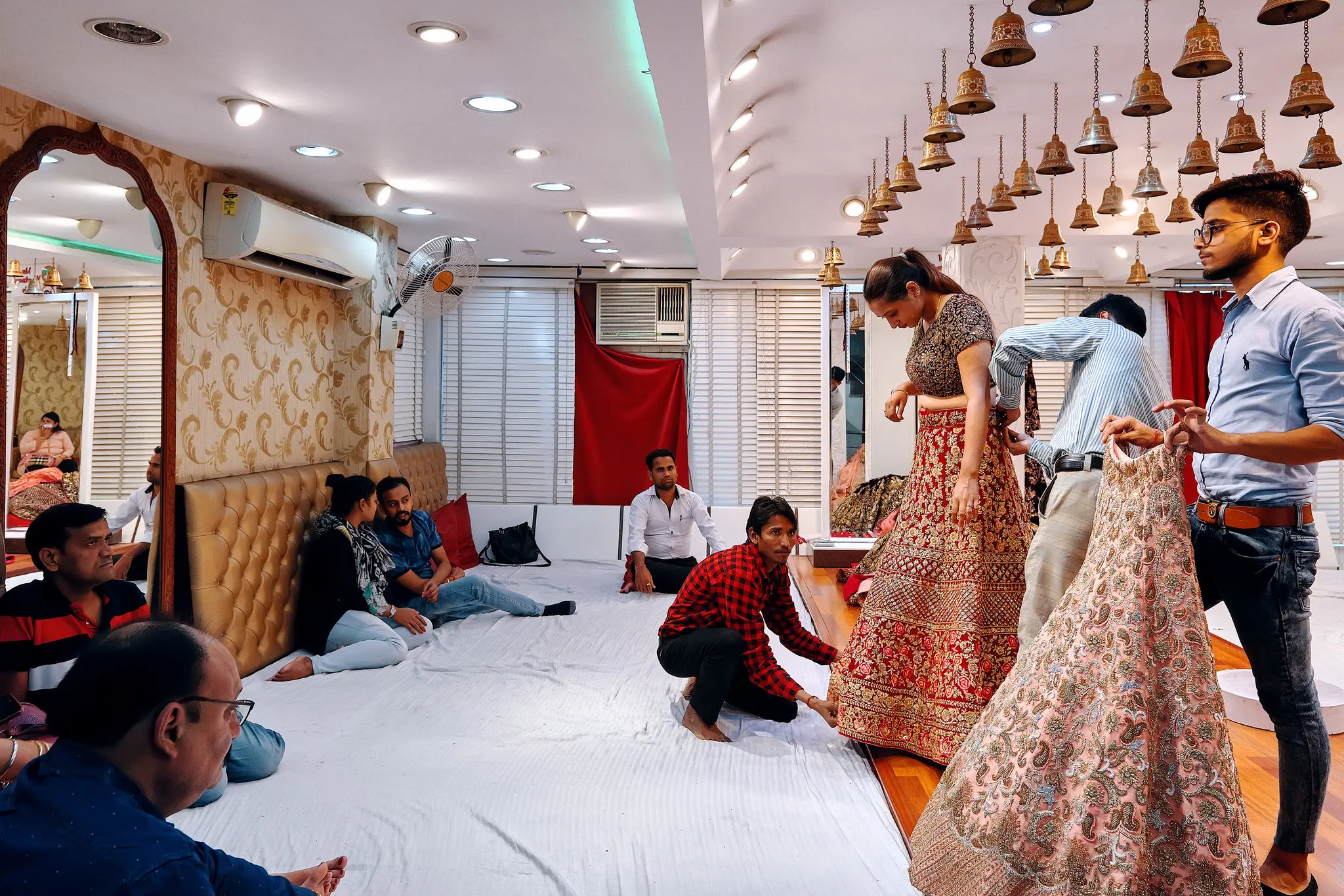
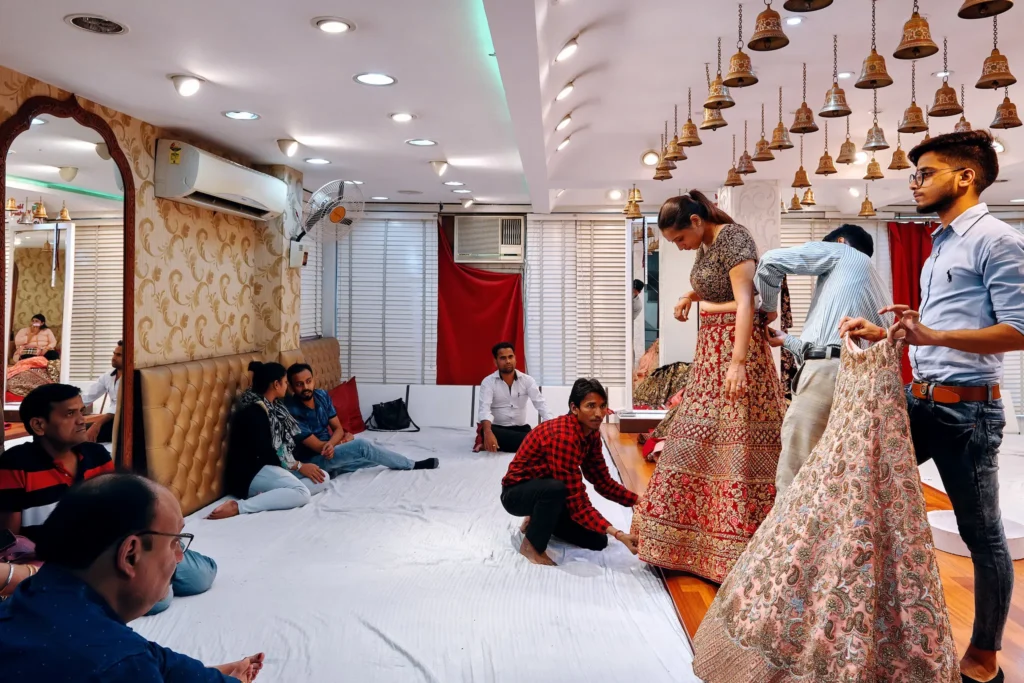
Planning an Indian wedding involves managing multiple events, intricate attire requirements, and precise cultural customs across several days. Navigating markets like Hyderabad’s Banjara Hills or Old City, Delhi’s Chandni Chowk, or Mumbai’s Santacruz without a structured plan can quickly lead to budget overruns and missed delivery dates.
This Wedding Shopping Checklist 2026 provides a clear, month-by-month framework designed for contemporary Indian couples. It covers every detail, from bridal couture and heritage jewelry to groom wear, trousseau packing, and return gifts.
What is a Wedding Shopping Checklist?
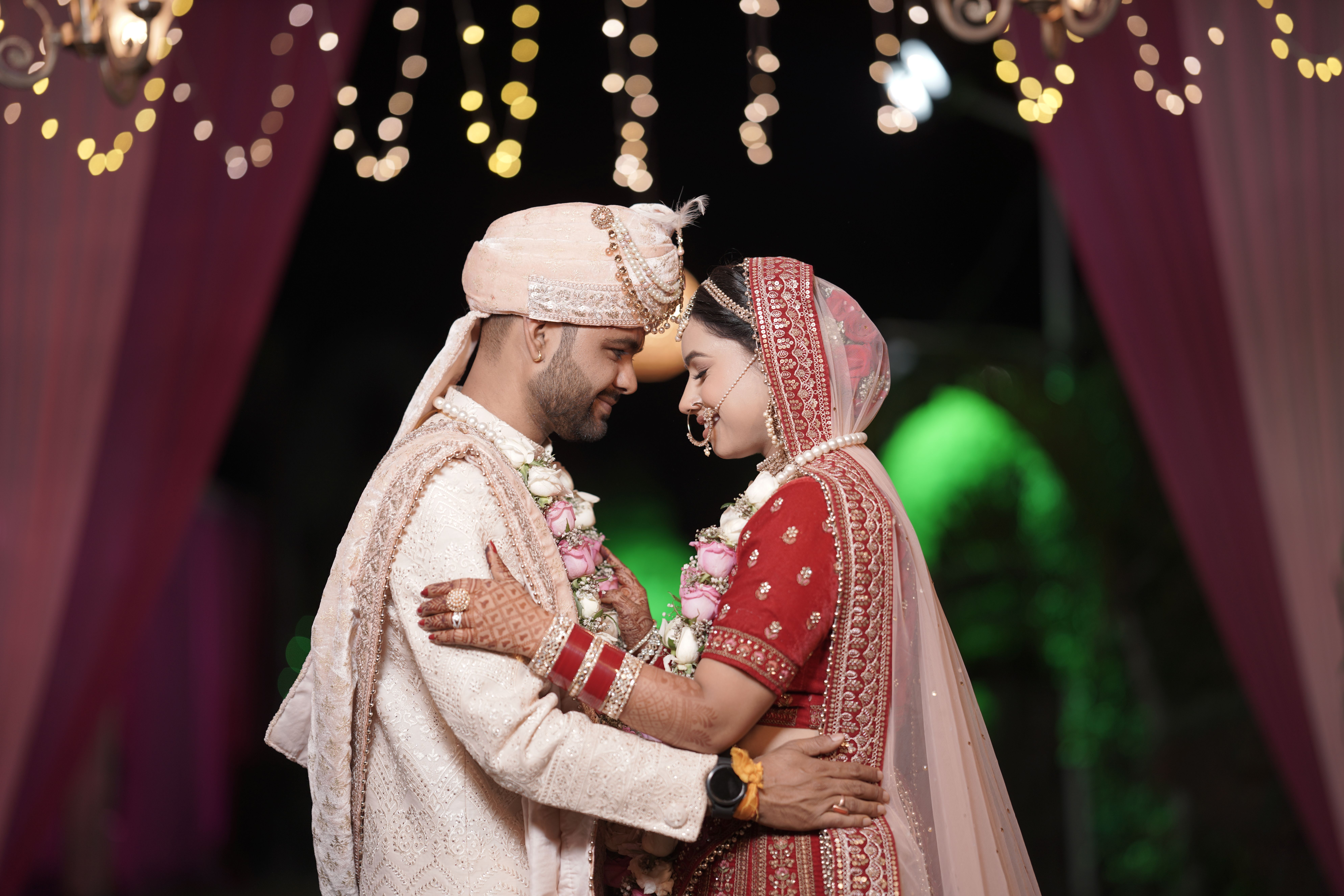
A wedding shopping checklist is a structured, chronological management tool that organizes all purchases for a wedding into clear phases. It categorizes requirements by event—such as the Pellikuthuru, Mehendi, Sangeet, Muhurtham, and Reception—and sets strict timelines for sourcing, customizing, fitting, and inspecting items to ensure on-time delivery without unexpected expenses.
Why Indian Wedding Shopping Demands a Structured Timeline
Indian weddings rarely consist of a single ceremony. A typical celebration spans three to five distinct functions, each requiring dedicated outfits, matching jewelry, specific footwear, and ritual items.
Couples often run into challenges like custom embroidery delays, uncoordinated family outfits, or last-minute sizing issues caused by body fluctuations due to pre-wedding stress.
A structured timeline helps you:
- Manage Production Lead Times: High-end raw silk handlooms like Kanjeevarams, Paithanis, or Banarasis, as well as hand-drawn zardozi and Aari embroidery, take 8 to 16 weeks to weave and stitch.
- Maintain Financial Control: Spreading purchases across 9 to 12 months prevents cash flow strain and helps limit impulse buying.
- Ensure Styling Consistency: Shopping systematically allows you to match your jewelry, footwear, dupatta drapery, and hair accessories directly to your outfits, avoiding mismatched sets.
- Reduce Stress: Completing all major purchases 30 days before the first ritual gives you time to focus on personal care, rehearsals, and guest logistics.
Step-by-Step Wedding Shopping Roadmap
  [9-12 Months Before]   -> Set Budget Allocation & Source Heirloom Jewelry
  [6-8 Months Before]    -> Finalize Bridal & Groom Ceremony Outfits
  [4-5 Months Before]    -> Purchase Trousseau, Footwear & Accessories
  [2-3 Months Before]    -> Order Favors, Bhaji Boxes & Ritual Items
  [1 Month Before]       -> Conduct Final Fittings & Trial Assemblies
  [1-2 Weeks Before]     -> Pack Trousseau & Steam Wardrobe
Follow this 6-step roadmap to streamline your shopping process and keep your timeline on track.
Step 1: Establish the Shopping Budget Allocation Matrix
Before visiting any boutiques or jewelry stores, establish a clear financial plan. Divide your total shopping budget into distinct allocations:
| Shopping Category | Percentage of Total Shopping Budget | Key Inclusions |
| Bridal Wear | 35% – 40% | Muhurtham Saree/Lehenga, Reception Gown, Sangeet outfit, Mehendi attire, tailoring charges, Maggam work embroidery. |
| Fine Jewelry | 30% – 35% | Gold bullion coins, bridal gold/diamond sets, vadaanam (waistband), kasu mala, temple jewelry, groom’s chain/ring. |
| Groom Wear | 12% – 15% | Sherwani, dhoti/kurta sets, tuxedo/suit, safa, footwear (juttis), cufflinks, brooch. |
| Trousseau & Everyday Wear | 8% – 10% | Post-wedding luggage, sarees, indo-western wear, nightwear, daily accessories, vanity items. |
| Gifts, Favors & Ritual Items | 5% – 8% | Return favors, sweet/dry fruit boxes, family giveaways, puja copper/silver items, wedding favors. |
Step 2: Build the Master Bridal Wardrobe Blueprint
Categorize your wardrobe by ceremony to ensure every detail—from primary fabrics to small accessories—is planned well in advance.
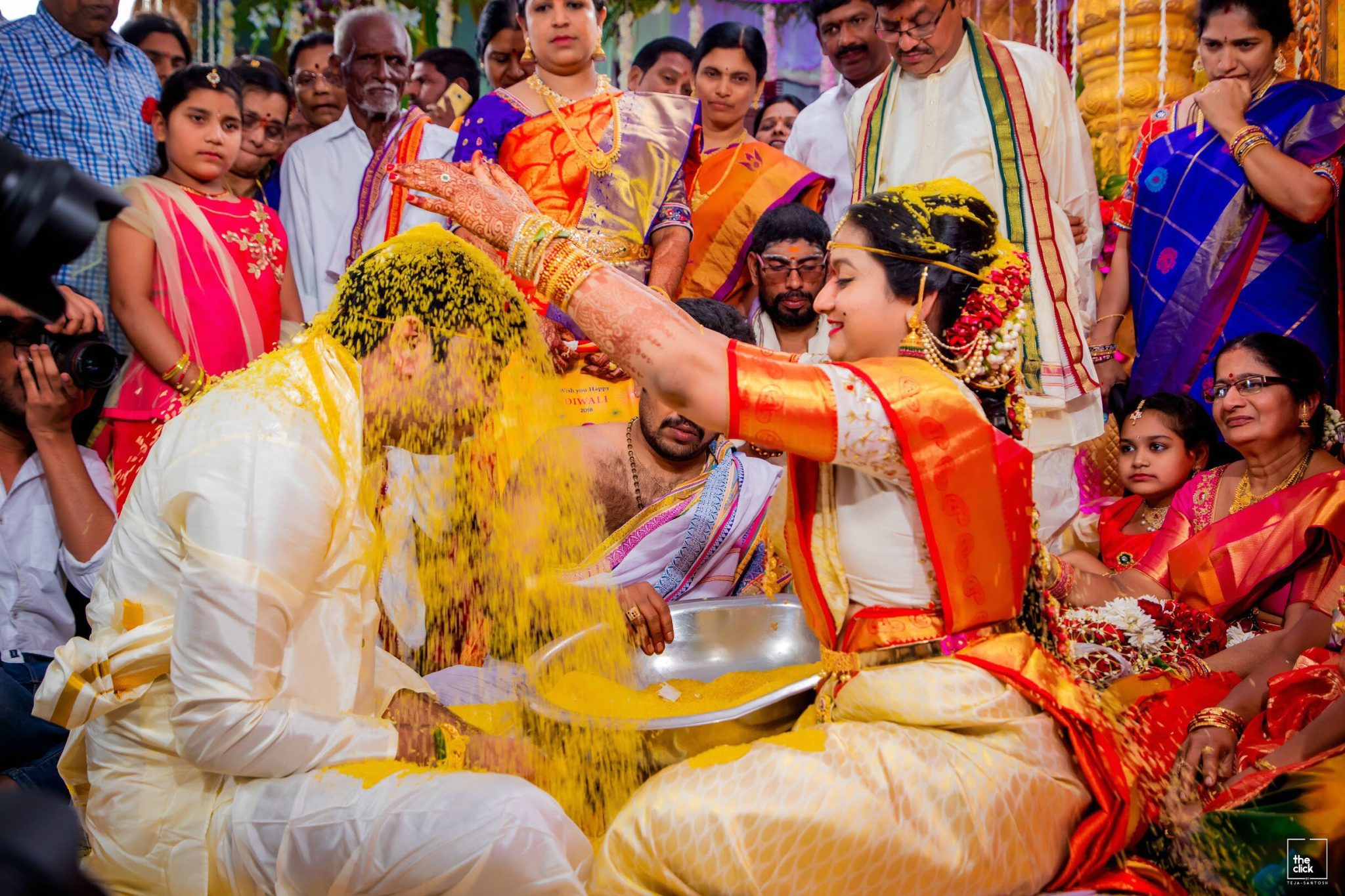
Pellikuthuru / Haldi
- Attire: Bright yellow or lime green handloom saree or light silk lehenga.
- Details: Lightweight floral jewelry or silver temple accents; breathable fabric like raw silk or chanderi.
- Tailoring: Simple blouse with minimal embroidery to allow easy application of turmeric.
Mehendi
- Attire: Indo-western crop top and palazzo set, or lightweight floral print lehenga.
- Details: Elbow-length or short sleeves to accommodate henna; comfortable seating wear.
- Footwear: Flat embellished sliders or padded juttis.
Sangeet / Cocktail
- Attire: Heavy lehenga, evening gown, or contemporary pre-stitched concept saree.
- Details: Zardozi, mirror work, or sequin embellishments.
- Support Structure: Built-in padding, sturdy hooks, and double-stitched dupattas designed for dancing.
Muhurtham / Main Wedding Ceremony
- Attire: Pure Kanjeevaram silk saree (often two: one for initial rituals, one presented by the groom’s family) or a traditional regional bridal lehenga.
- Blouse Details: Intricate Maggam work, Aari work, or zardozi sleeves featuring traditional motifs like peacocks, temple borders, or personalized monogram embroidery.
- Drapery: Secondary dupatta, waistbelt (Vadaanam/Kamarbandh), and net veil if applicable.
Reception
- Attire: Couture designer lehenga, velvet bandhgala suit, or high-end reception gown.
- Details: Modern cuts, metallic embroidery, or diamond/polki jewelry sets.
Step 3: Finalize Fine and Fashion Jewelry Requirements
Jewelry purchases require a dual approach: long-term investment pieces (gold and diamonds) and function-specific fashion or silver jewelry.
                  ┌── Real Gold / Diamond (Muhurtham, Reception)
Bridal Jewelry ───┼── Silver-Base Temple / Polki (Sangeet, Mehendi)
                  └── Floral / Art Jewelry (Haldi)
Fine Gold & Diamond Checklist
- Neckwear: Choker set, mid-length Kasu Mala or Mango Mala, and a long bridal Haram.
- Earwear: Heavy Jhumkas or Chandbalis with detachable support chains (Matilu).
- Head & Hair: Nethi Chutti / Maang Tikka, Suryachandrudu (sun and moon hair ornaments), and Rakodi / Braid pins.
- Waist & Arms: Hallmarked Gold Vadaanam (Waistband) and Aravanki (Armlets/Vanki).
- Wrist & Hands: Stacked gold bangles (Kappu), glass bangle sets, and statement cocktail rings.
- Traditional Essentials: Mangalsutra / Thali chain with auspicious beads and toe rings (Mettelu) in silver.
Silver & Fashion Jewelry Checklist
- Kundan or Polki choker sets for the Sangeet function.
- Anti-tarnish brass or silver-plated sets for destination events.
- Fresh floral or dry-flower jewelry for the Haldi or Mehendi ceremony.
Step 4: Coordinate Groom, Family, and Bridal Party Attire
Groom shopping requires equal attention to detail, focusing on precise tailoring and comfortable fits across all events.
Groom Wear Shopping Checklist
- Muhurtham / Mandap: Pure silk Dhoti and Kanduva set with zari borders, or a woven raw silk Kurta-Pajama set.
- Sangeet / Mehendi: Asymmetric Kurta with an embroidered Nehru jacket or an Indo-western bandhgala.
- Reception: Tailored three-piece tuxedo or a structured velvet Bandhgala suit.
- Groom Accessories: Safa/Turban with a brooch (Kalgi), layered pearl or gemstone necklace, motif cufflinks, pocket squares, and leather juttis/mojris alongside formal oxford shoes.
Family & Bridal Party Coordination
- Parents: Matching Kanjeevaram sarees for mothers; silk kurta-dhoti or suits for fathers.
- Bridesmaids / Groomsmen: Color-coordinated sarees, dupattas, or kurta sets tailored for group photos.
Step 5: Assemble Footwear, Accessories, and Trousseau Essentials
The right accessories make a big difference in comfort during long ceremony hours.
- Bridal Footwear:
- 1 pair of broken-in block heels (2 to 3 inches) for the main ceremony.
- 1 pair of padded leather juttis for the Mehendi/Haldi.
- 1 pair of embellished platform heels or wedges for the Sangeet.
- Bags & Clutches: Potli bags with wrist straps for essential items, plus structured evening clutches for the reception.
- Trousseau Utility Items:
- Hard-shell rolling luggage sets for post-wedding travel.
- Saree bags with transparent windows, velvet lehenga covers, and padded hanger sets.
- Jewelry organizers with anti-tarnish lining and secure locking mechanisms.
- A pre-packed emergency kit (safety pins, double-sided fabric tape, mini sewing kit, stain remover wipes, blister plasters, and pain relievers).
Step 6: Schedule Fittings and Final Deliveries
[Month 6-8] Initial Outfit Purchase
     │
[Month 2-3] First Fitting & Sleeve/Hem Adjustments
     │
[30 Days Out] Final Fitting (With Shoes & Undergarments)
     │
[15 Days Out] Final Quality Control & Fabric Steaming
Timing your final fittings helps ensure everything fits comfortably on the wedding day.
- Initial Measurements (6 to 8 Months Out): Record your baseline measurements at the time of purchase.
- First Trial (8 Weeks Out): Check the neckline depth, sleeve length, and lehenga hem height with your actual bridal shoes.
- Final Trial (30 Days Out): Try on the complete outfit along with your bridal undergarments, waistbelt, and can-can underskirts to confirm comfort and fit.
- Final Pickup (15 Days Out): Perform a complete zipper, hook, and embroidery check before bringing the garments home.
The Complete Month-by-Month Wedding Shopping Timeline for 2026
9 to 12 Months Before the Wedding
- Establish the overall shopping budget and decide on allocation percentages.
- Research regional weaving centers and designer boutiques for primary outfits.
- Inventory heirloom family jewelry; decide which pieces to polish, re-string, or melt down for new designs.
- Purchase hallmarked gold coins or bullion if custom gold jewelry needs to be minted.
6 to 8 Months Before the Wedding
- Order custom bridal Kanjeevarams, Paithanis, or hand-embroidered lehengas.
- Select and place orders for the groom’s sherwani, bandhgala, and custom suits.
- Book blouse tailors and specialist Maggam work artisans; finalize necklines and motif patterns.
- Finalize and order gold, diamond, and silver jewelry sets to allow time for custom settings.
4 to 5 Months Before the Wedding
- Purchase outfits for secondary functions (Haldi, Mehendi, Sangeet, Cocktail).
- Buy wardrobe items for immediate family members to ensure complementary color palettes.
- Shop for bridal footwear; wear them around the house to break them in.
- Begin gathering trousseau items, including post-wedding daily wear, western outfits, and nightwear.
2 to 3 Months Before the Wedding
- Buy matching accessories: potli bags, safas, kalgis, brooches, cufflinks, and hair ornaments.
- Order return gifts (such as silver coins, brass items, or eco-friendly hampers) along with custom sweet boxes.
- Purchase all ritual items required for puja ceremonies (copper utensils, brass lamps, raw turmeric, pelli buttalu).
- Finalize and inspect bridesmaid and groomsmen outfits.
1 Month Before the Wedding
- Conduct final outfit trials with full jewelry, footwear, and undergarments.
- Pack individual ceremony bags containing all necessary accessories, safety pins, and dupattas for each event.
- Finalize the makeup artist’s vanity requirements and confirm hair accessory details.
- Buy anti-tarnish travel bags and hard luggage for packing the trousseau.
1 to 2 Weeks Before the Wedding
- Steam-clean and hang all outfits in breathable garment covers.
- Assemble the wedding day emergency kit.
- Hand over guest favors, welcome hampers, and return gifts to your logistics team or venue coordinator.
- Verify that all gold and diamond jewelry is stored in secure, accessible pouches.
4 Common Wedding Shopping Myths Debunked
Myth 1: “Always buy bridal outfits one size smaller to account for pre-wedding weight loss.”
Fact: Tailoring a garment down is straightforward; expanding an over-trimmed or heavily embroidered blouse seam is often impossible. Always order according to your actual measurements during the 6-month mark. Skilled tailors can easily take in extra fabric during your final fitting 30 days before the wedding.
Myth 2: “Heavy can-can layers are necessary to make a lehenga look regal.”
Fact: Excessive, rigid can-can layers add unnecessary weight and make sitting through long rituals uncomfortable. Opt for detachable or multi-layered soft net can-can skirts instead. This allows you to remove the extra structure after photos and sit comfortably during religious ceremonies.
Myth 3: “High-end designer outlets are the only places to find authentic bridal handlooms.”
Fact: Direct weaver cooperatives and established local heritage stores often offer pure silk mark certified sarees with authentic zari at a lower price point than high-end retail boutiques.
Myth 4: “You should buy all your footwear together after finalizing your outfits.”
Fact: Bridal footwear should be purchased before your first lehenga or saree length fitting. Tailors adjust skirt hems based on your exact heel height. Changing your footwear later can cause your skirt to drag or hang too short.
3 Real-World Wedding Shopping Scenarios
Scenario 1: The Multi-Cultural Hyderabad Wedding (250 Guests)
- The Setup: An NRI bride marrying a Hyderabad-based groom, balancing a Telugu Muhurtham with a North Indian-style Sangeet and Reception.
- Shopping Strategy: Sourced pure Kanjeevarams from traditional silk houses in South India six months in advance to allow time for intricate Maggam work. Sangeet and Reception outfits were bought off-the-rack from designer boutiques in Banjara Hills, requiring only minor fit adjustments.
- Key Takeaway: Separating traditional handloom purchases from contemporary couture prevents delays across different workshops.
Scenario 2: The Intimate Eco-Conscious Wedding (80 Guests)
- The Setup: A couple focused on sustainability, planning an intimate garden wedding with minimal waste.
- Shopping Strategy: The bride repurposed her mother’s vintage Banarasi saree into a contemporary lehenga and rented high-end polki jewelry for the reception. Guest favors consisted of potted saplings and organic brass items sourced from regional artisans.
- Key Takeaway: Repurposing heirloom garments reduces lead times and adds personal meaning to your wardrobe.
Scenario 3: The Short-Timeline Destination Wedding (3-Month Prep)
- The Setup: A couple with a tight three-month timeline due to family schedules and venue availability.
- Shopping Strategy: Bypassed long custom embroidery lead times by choosing high-end multi-designer sample sales and pre-stitched readymade outfits. Focused on statement jewelry and customized drapery styles to elevate clean, ready-to-wear silhouettes.
- Key Takeaway: When time is limited, buy ready-to-wear garments and use custom jewelry, drapes, and accessories to create a unique look.
What to Do Next: Applying Your Shopping Plan
Now that you have a structured plan, take these practical next steps to keep your shopping on track:
- Create a Shared Cloud Folder: Store high-resolution photos of your outfits, fabric swatches, and jewelry pieces so you can reference them easily while shopping.
- Set Up a Shopping Calendar: Mark key dates for initial consultations, first trials, and final pickups to avoid last-minute rush fees.
- Establish a Payment Log: Keep track of advance deposits, balance due dates, and receipts for all vendors in a simple spreadsheet.
- Prepare a Fitting Kit: Bring your chosen undergarments, waistbelt, and bridal shoes to every trial to ensure accurate hem and fit adjustments.
Frequently Asked Questions
How far in advance should I start bridal outfit shopping in India?
Bridal outfit shopping should begin 6 to 9 months before the wedding date. Designer lehengas, custom Kanjeevarams, and heavy sherwanis require 3 to 5 months for weaving or hand-embroidery, leaving sufficient buffer for two rounds of fittings.
How much does a typical wedding shopping budget in India cost?
Wedding shopping costs vary widely based on scale. A moderate budget ranges from ₹5 lakhs to ₹12 lakhs for attire and trousseau, while high-end designer wardrobes and fine jewelry can range between ₹25 lakhs and ₹1 crore or more.
What items are essential for a South Indian wedding trousseau?
A South Indian wedding trousseau typically includes pure Kanjeevaram silk sarees with hallmarked zari, silver pelli buttalu or puja utensils, temple jewelry sets, a silk dhoti set for the groom, and silk outfits for the Pellikuthuru or Muhurtham functions.
How do I calculate saree blouse fabric requirements for heavy work?
For heavy Maggam or Aari work, buy at least 1.25 to 1.5 meters of silk fabric. This provides extra margins for intricate sleeve embroidery, deep necklines, and padding adjustments without stretching the motif alignment.
Can I complete wedding shopping in 3 months?
Yes, but it requires buying off-the-rack pieces rather than custom outfits. Focus on multi-designer boutiques, local artisan hubs with ready stock, and pre-stitched sarees or readymade sherwanis that only require minor alteration tweaks.
What is the difference between real zari and tested zari in Kanjeevaram sarees?
Real zari is woven using silver threads dipped in pure 24k gold, carrying high intrinsic scrap value and soft weight. Tested zari uses copper core wire electroplated with silver and synthetic gold color, making it lighter and significantly less expensive.
What footwear is best for brides during long Indian rituals?
Opt for block heels (2 to 3 inches) or padded leather juttis with memory foam cushioning. Avoid thin stilettos, which sink into lawn venues and cause foot fatigue during multi-hour Mandap or Pellikuthuru rituals.
How do I organize guest favors and bhaji boxes efficiently?
Finalize your exact guest list count 60 days before the wedding, then order favors with a 10% overage. Categorize favors into local house-visit sweets, outstation welcome hampers, and main ceremony return gifts to streamline distribution.
Navigating wedding shopping comes down to simple organization, clear timelines, and setting realistic expectations for production lead times. By breaking down your purchases into manageable phases—from early jewelry sourcing to final month adjustments—you can protect your budget and enjoy the process. Equipped with this practical checklist, you can approach every market run and boutique appointment with clarity and confidence.

Leave a Comment