

Table of Contents
Summer vs Winter Wedding in Hyderabad: Complete Cost, Logistics & Planning Guide
Choosing between a summer vs winter wedding is one of the most critical decisions a couple will make, as it directly impacts venue selection, catering costs, floral longevity, and guest comfort. In Hyderabad, where summer temperatures frequently exceed 40°C in May and winter evenings drop to an agreeable 15°C in December, seasonal climate variations shape every operational detail of Indian wedding planning. From managing heavy silk attire like heavy Kanjeevarams and velvet sherwanis to aligning with peak Subha Muhurtham dates, each season requires a tailored logistical strategy.
Summer vs Winter Wedding: What Is the Difference?
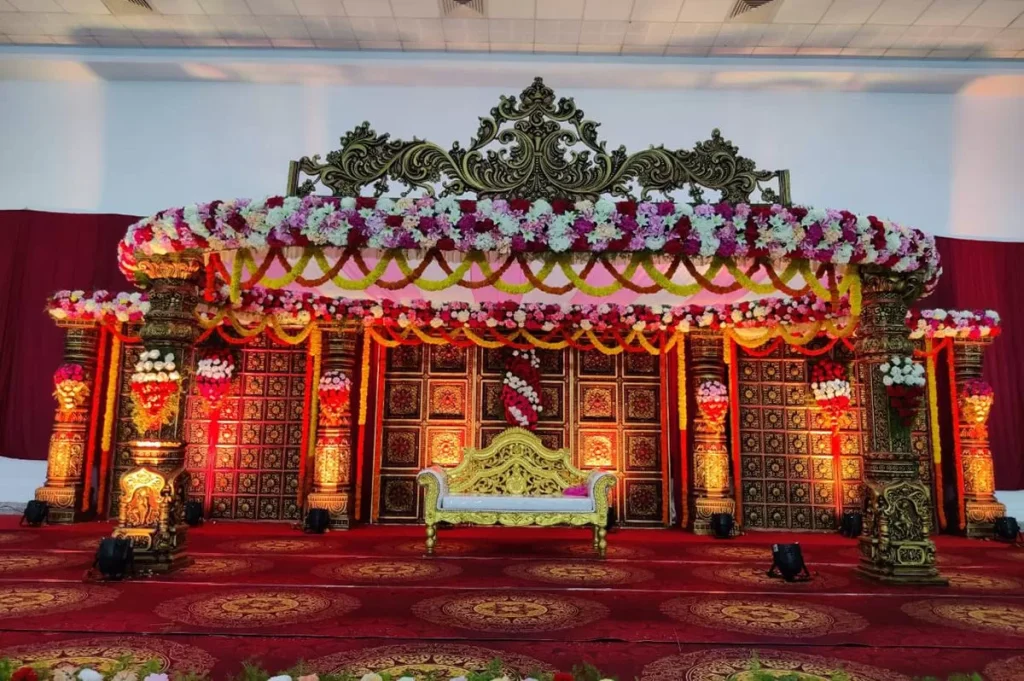
A summer vs winter wedding comparison evaluates how seasonal weather patterns impact venue choices, budget allocations, vendor availability, and guest experience. Summer weddings in India (March to June) favor air-conditioned indoor banquets, off-season vendor discounts, and refreshing menus. Winter weddings (November to February) feature open-air garden lawns, peak-season demand, heavy traditional attire, and rich comfort foods.
+-----------------------------------------------------------------------------------+
|               SUMMER VS WINTER WEDDING: CORE SEASONAL DIFFERENCES                 |
+------------------------------------+----------------------------------------------+
| Summer Weddings (March - June)     | Indoor AC venues, higher vendor negotiation  |
|                                    | leverage, daytime cooling logistics needed   |
+------------------------------------+----------------------------------------------+
| Winter Weddings (Nov - Feb)        | Outdoor lawns, peak Muhurtham demand, higher |
|                                    | venue costs, heavy traditional wardrobe      |
+------------------------------------+----------------------------------------------+
Why Couples Miscalculate Seasonal Wedding Logistics in Hyderabad
Many couples assume that picking a wedding season is purely a matter of personal preference or date availability on the panchangam (astrological calendar). In reality, failing to account for Hyderabad’s distinct microclimates creates friction across multiple planning areas.
During peak summer months (April to June), outdoor daytime events like a Pellikuthuru, Haldi, or afternoon Pelli become uncomfortable without industrial evaporative air-coolers, misting fans, and shaded German-tech hangars. Conversely, winter outdoor receptions along the Gandipet lakefront or Shamshabad resort lawns require outdoor patio heaters, fire pits (angithis), and warm lighting setups as evening temperatures fall.
Vendor pricing also fluctuates dramatically between seasons. Peak winter months align with dense Subha Muhurtham clusters, driving up rental fees for convention centers in Madhapur and Gachibowli. Summer months offer off-season flexibility, allowing couples to secure luxury venue packages at competitive rates.
The 5 Major Planning Pillars: Summer vs Winter Comparison
Evaluating a summer vs winter wedding requires examining five core operational areas: venue climate control, catering menus, wardrobe choices, floral logistics, and overall budget strategy.
+---------------------------------------------------------------------------------+
|                       5 PILLARS OF SEASONAL WEDDING PLANNING                    |
+---------------------------------------------------------------------------------+
| [ 1. Venue & Climate Control ] -> AC banquets vs open-air lawn setups          |
| [ 2. Catering & F&B Strategy ] -> Light, hydrating items vs rich comfort spreads|
| [ 3. Wardrobe & Makeup ]       -> Breathable silks vs heavy velvet & layers     |
| [ 4. Floral & Decor Stability] -> Heat-sensitive blooms vs crisp winter florals|
| [ 5. Financial & Vendor Rates ]-> Off-season savings vs peak season demand      |
+---------------------------------------------------------------------------------+
1. Venue Selection and Climate Control Infrastructure
Your choice of season dictates whether your event takes place indoors or outdoors, which alters venue rental budgets.
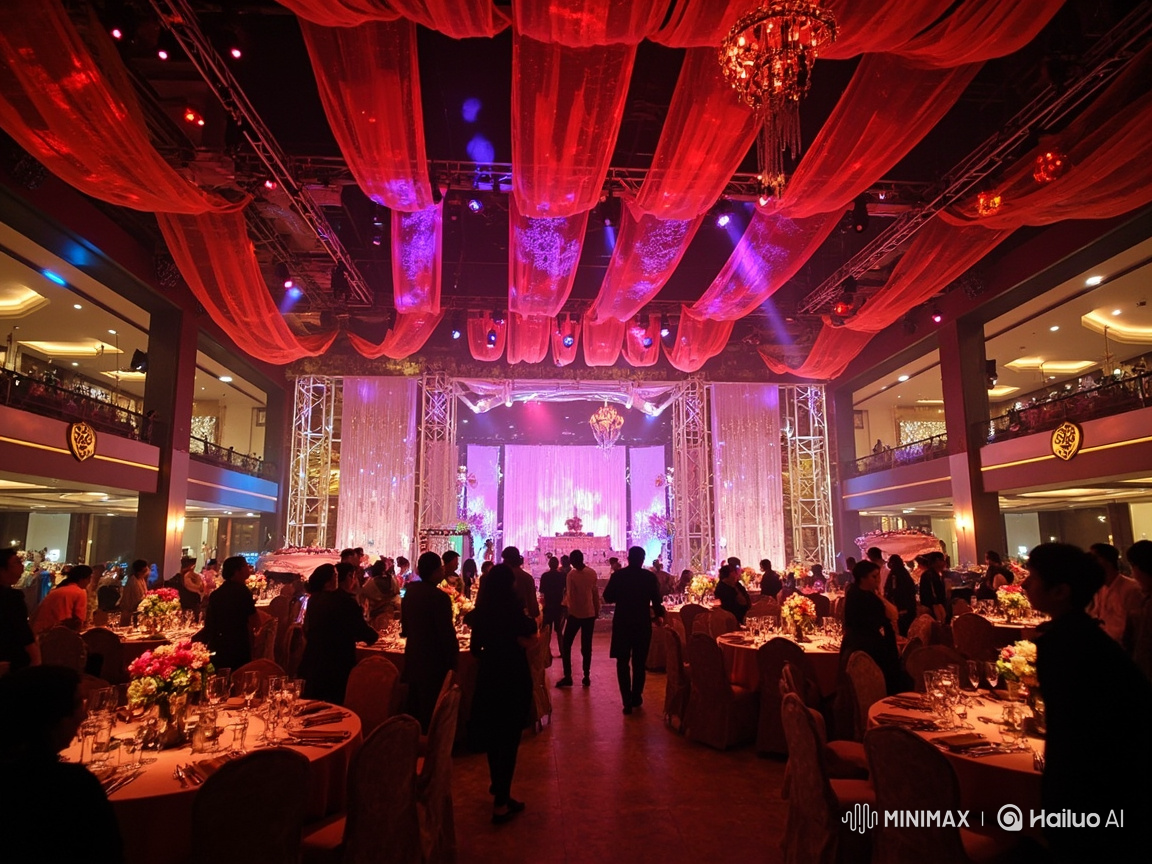
- Summer Strategy: Open-air lawns are unpractical during the day and uncomfortably warm before 8:00 PM. Indoor air-conditioned convention halls, hotel ballrooms, or glass-walled indoor venues are necessary. If using outdoor lawns for evening functions, budget for heavy-duty industrial AC units or misting fans.
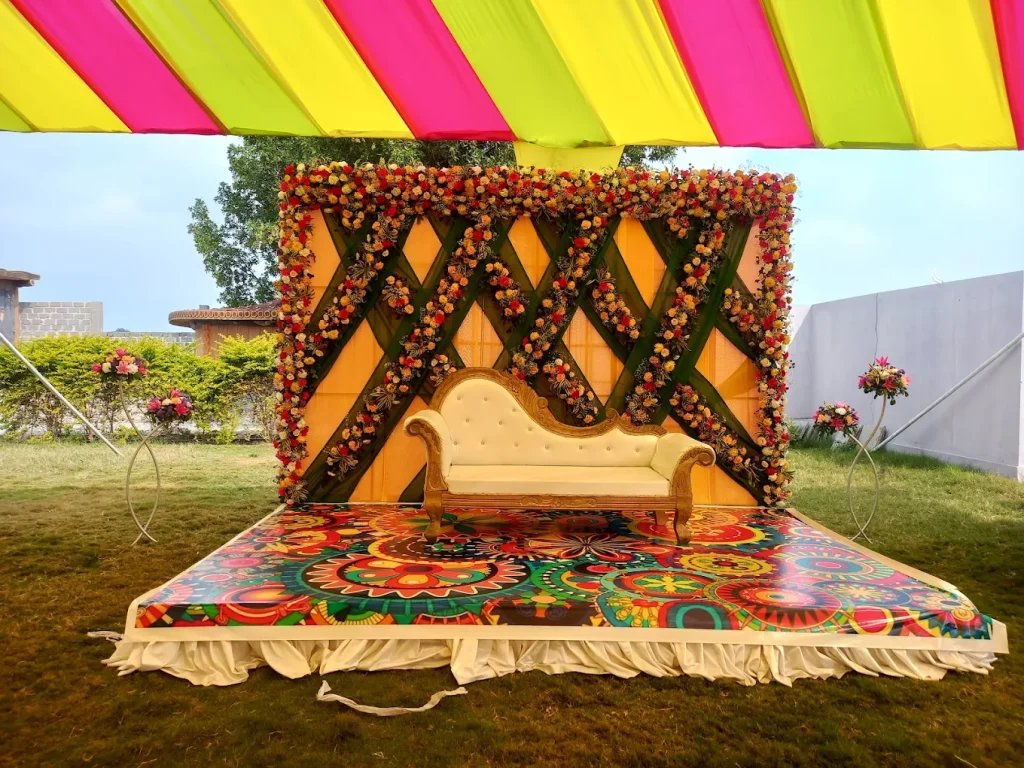
- Winter Strategy: Open-air garden lawns, resort poolsides in Moinabad or Chevella, and heritage courtyards are ideal. However, dew drops after 10:00 PM can damp outdoor carpeting and seating, requiring raised wooden staging and covered dining structures.
2. Food & Beverage (F&B) Menu Engineering
Guest appetites and food safety standards change depending on ambient temperatures.
- Summer Strategy: Live beverage stations featuring Nannari sherbet, fresh coconut water, moru (spiced buttermilk), and seasonal mango desserts (Aamras, mango kulfi) are essential. Heavy ghee-laden gravies spoil quickly in hot outdoor environments; menus should focus on freshly prepared, lighter items.
- Winter Strategy: Guests enjoy rich, warm comfort foods. Live counters serving hot Jalebi-Rabri, Gajar ka Halwa, live Hyderabadi Haleem stations, hot Mirchi Bajji, and live tea/coffee bars thrive during chilly winter receptions.
3. Attire, Beauty, and Grooming Logistics
Wardrobe choices must balance traditional expectations with physical comfort.
- Summer Strategy: Heavy silk sarees (like 9-yard Kanjeevarams) and layered velvet sherwanis cause physical exhaustion during multi-hour rituals around the sacred fire (Havan). Brides increasingly choose lightweight organza, georgette, or breathable mulberry silks. HD airbrush makeup is necessary to prevent sweat-induced smudging.
- Winter Strategy: Winter allows for heavy velvet lehengas, layered embroidered sherwanis with shawls, and intricate zardozi work without discomfort. Makeup stays set longer, though brides must keep hydrating mist and lip care on hand for dry winter air.
4. Floral Longevity and Decor Materials
Flowers and decor elements react differently to seasonal temperatures.
- Summer Strategy: Delicate blooms like jasmine (Mallepoolu), roses, and imported hydrangeas wilt within hours under direct sunlight. Decorators must use hardier flowers like marigolds (Banthipoolu), chrysanthemums, or keep floral installations in cold storage until 30 minutes before guest arrival.
- Winter Strategy: Cold weather preserves fresh flower arrangements throughout multi-day events. Exotic imported blooms like Dutch tulips, orchids, and peonies last longer, making intricate floral arches and mandap canopies easier to maintain.
5. Vendor Availability and Pricing Leverage
Budget allocation shifts significantly between peak winter months and summer dates.
- Summer Strategy: Because demand drops during high-temperature months, venues and service providers often offer off-season discounts of 15% to 30%. Couples gain negotiating leverage for room block rates at luxury resorts.
- Winter Strategy: High demand during peak winter Muhurtham dates means venues, decorators, and photographers book out 8 to 12 months in advance. Premium rates apply across all vendor categories, and cancellation policies are strictly enforced.
Detailed Summer vs Winter Wedding Comparison
| Evaluation Category | Summer Wedding (March – June) | Winter Wedding (November – February) |
| Primary Venue Type | AC Convention Halls, Hotel Ballrooms | Open-Air Lawns, Resort Gardens, Lakesides |
| Average Venue Cost (Hyderabad) | Moderate to Discounted (Off-Peak Rates) | Premium (Peak Muhurtham Demand) |
| Guest Comfort Factor | Requires AC, Coolers, Hydration Stations | Highly Comfortable; Requires Night Heaters |
| Catering Highlights | Light spreads, Mango desserts, Sherbets | Rich curries, Live Haleem, Gajar Halwa, Hot Tea |
| Attire Suitability | Light Silks, Organza, Georgette | Heavy Velvet, Layered Sherwanis, Zardozi |
| Floral Durability | Low (Wilts quickly; requires hardy blooms) | High (Flowers stay fresh for 12+ hours) |
| Vendor Availability | High Flexibility; Easier Negotiating | Low Flexibility; Must Book 8–12 Months Ahead |
| Photographic Lighting | Harsh mid-day sun; strong indoor lighting | Soft natural daylight; warm evening glow |
Step-by-Step Decision Framework: How to Choose Your Wedding Season
If you are undecided between a summer or winter date, follow this 5-step decision framework to evaluate your priorities.
+-----------------------------------------------------------------------------------+
|                        5-STEP SEASONAL SELECTION FRAMEWORK                        |
+-----------------------------------------------------------------------------------+
| Step 1: Audit Panchangam Muhurtham Dates & Family Flexibility                     |
| Step 2: Establish Total Budget & Evaluate Off-Season vs Peak Rates                |
| Step 3: Define Dream Venue Aesthetic (Indoor Banquet vs Outdoor Lawn)             |
| Step 4: Assess Key Guest Demographics (Elderly & NRI Travel Feasibility)           |
| Step 5: Finalize Wardrobe Preferences & Physical Comfort Priorities              |
+-----------------------------------------------------------------------------------+
Step 1: Audit Auspicious Muhurtham Dates
Consult your family priest or Panchangam to identify auspicious dates (Subha Muhurtham) for both seasons. In Telugu and South Indian traditions, certain months (like Ashadha or Bhadrapada) may have fewer available dates, which can narrow your choices early in the planning process.
Step 2: Establish Your Total Budget and Pricing Expectations
Compare your budget against seasonal pricing patterns in your target city. If your goal is to secure a 5-star venue or top-tier decorator on a moderate budget, an off-season summer date offers greater purchasing power. If budget flexibility allows for peak pricing, a winter date unlocks open-air lawn options.
Step 3: Align Venue Aesthetics with Seasonal Realities
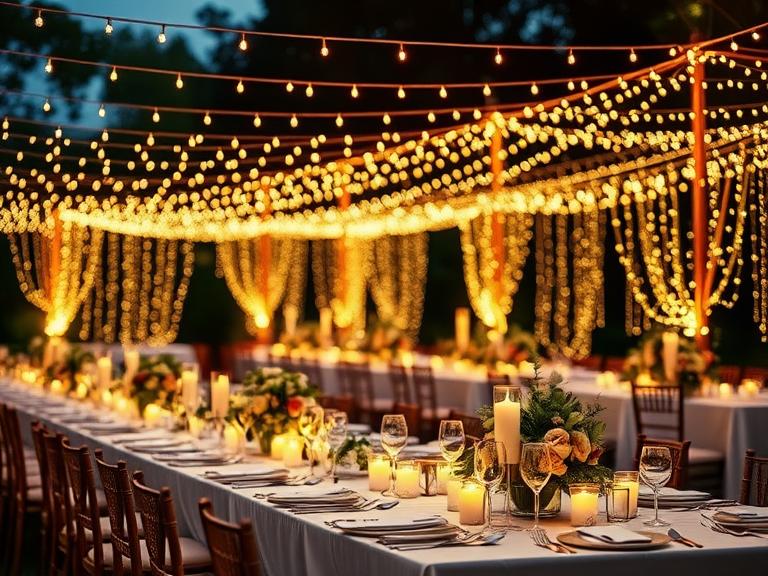
Determine whether your dream wedding features an open-air garden setting or a grand indoor ballroom setup. If you envision an outdoor evening ceremony under fairy-lit trees, prioritize winter. If you prefer a controlled, air-conditioned environment with modern indoor stage production, summer is equally suitable.
Step 4: Evaluate Guest Demographics and Travel Logistics
Consider the age distribution and travel needs of your guest list. Elderly relatives often struggle with severe summer heat, making climate-controlled venues necessary. Conversely, international NRI guests flying in from the US or Europe often find it easier to take extended leave during the December/January holiday window.
Step 5: Review Wardrobe Preferences and Cultural Attire Expectations
Discuss wardrobe expectations with both families. If the bride and groom wish to wear heavily embroidered sherwanis, velvet shawls, and multi-layered silk lehengas, winter offers a far more comfortable experience. If lighter, modern handloom textiles are preferred, summer heat is easier to manage.
How Much Does a Wedding in Hyderabad Cost By Season?
Wedding expenses in Hyderabad vary based on whether you book during the peak winter season or off-peak summer months.
+---------------------------------------------------------------------------------+
|                     ESTIMATED 2-DAY / 500-GUEST BUDGET SPLIT                    |
+---------------------------------------------------------------------------------+
| SUMMER WEDDING (OFF-PEAK)        | WINTER WEDDING (PEAK SEASON)                 |
| Venue Hire: ₹3.5L - ₹6.0L        | Venue Hire: ₹6.0L - ₹12.0L                   |
| AC / Cooling Infra: ₹1.5L        | Night Heating & Dew Cover: ₹1.0L             |
| Catering (Per Plate): ₹1,200     | Catering (Per Plate): ₹1,600                 |
| Total Est: ₹18 Lakhs - ₹28 Lakhs | Total Est: ₹26 Lakhs - ₹42 Lakhs             |
+---------------------------------------------------------------------------------+
Cost Breakdowns for a 500-Guest, 2-Day Celebration
- Venue Rental (Convention Hall / Lawn): Premium AC convention halls in Shamshabad or Gachibowli charge between ₹350,000 and ₹600,000 per day during summer off-peak months. During peak winter Muhurtham dates, prime open-air lawn venues command ₹600,000 to ₹1,200,000+ per day.
- Catering Cost Per Plate: Catering prices range from ₹1,200 to ₹1,800 per plate in summer for standard South Indian / Multi-Cuisine buffets. In winter, expanded live counters (Haleem, live tandoor, winter sweets) bump per-plate costs to ₹1,600 – ₹2,500+.
- Decor and Production Infrastructure: Summer decor requires spending on cooling systems (₹100,000 – ₹200,000 for misting fans, evaporative coolers, or portable AC ducts). Winter decor spends more on outdoor lighting, fairy-light canopies, and raised wooden flooring to protect against ground moisture (₹200,000 – ₹400,000+).
What to Look For in an Event Planner for Seasonal Logistics
Managing seasonal challenges—whether preventing summer heat exhaustion or handling winter venue availability—requires experienced coordination.
When evaluating event management teams, confirm their operational experience with seasonal logistics:
- Summer Verification: Ask how they manage daytime outdoor functions, specifically their cooling infrastructure suppliers, floral preservation techniques, and back-up power plans for high AC electrical loads.
- Winter Verification: Ensure they have established relationships with prime outdoor venue owners to secure dates, along with experience managing outdoor sound cutoffs (10:00 PM local curfew) by transitioning after-parties indoors.
Integrated service providers simplify these challenges. For example, Hyderabad-based companies like Prashasta Events offer coordinated decor, venue sourcing, and catering management under one operational framework, ensuring technical details like generator capacity and cooling duct placement are handled cleanly without vendor miscommunication.
4 Seasonal Wedding Myths Debunked
Clearing up common misconceptions helps prevent budget errors and guest discomfort.
Myth 1: “Summer weddings in India are unmanageable for guests.”
The Reality: While outdoor daytime summer events are difficult, fully indoor air-conditioned convention centers or hotel ballrooms provide a comfortable environment. With proper AC capacity, indoor summer weddings are just as enjoyable as winter events.
Myth 2: “Winter weddings don’t require indoor backup spaces.”
The Reality: Winter weather in South and Central India can be unpredictable. Late-night dew can soak carpets and upholstery, and unexpected unseasonal rain showers can impact open-air setups. Experienced planners always retain an adjoining indoor hall or covered hangar as a backup option.
Myth 3: “Food spoils at the same rate regardless of the season.”
The Reality: High ambient summer temperatures accelerate milk and coconut spoilage in traditional South Indian dishes like Payasam or coconut-based gravies. Summer catering demands strict food safety management, live cooking stations, and refrigerated storage on-site.
Myth 4: “Decor costs are identical in summer and winter.”
The Reality: Flower prices rise during the winter wedding season due to high nationwide demand across thousands of concurrent wedding dates. Conversely, summer flower prices are generally lower, though decorators must factor in higher replacement rates for heat-sensitive blooms.
Real-World Seasonal Wedding Scenarios
These realistic planning scenarios illustrate how couples successfully navigate summer and winter wedding setups in Hyderabad.
+---------------------------------------------------------------------------------+
|                         REAL-WORLD PLANNING SCENARIOS                           |
+---------------------------------------------------------------------------------+
| Scenario A: 600-Guest Summer Telugu Pelli in a Climate-Controlled Hall          |
| Focus: High AC kVA load, Nannari welcome drinks, lightweight organza sarees     |
|                                                                                 |
| Scenario B: 400-Guest Winter Destination Wedding along Gandipet Lake            |
| Focus: Sunset lawn ceremony, fire pit lounges, hot Haleem & live jalebi counters|
|                                                                                 |
| Scenario C: Budget-Conscious Off-Season Summer Wedding in Madhapur              |
| Focus: 25% venue discount, upgraded menu spread, full indoor climate control    |
+---------------------------------------------------------------------------------+
Scenario A: The Summer Indoor Telugu Pelli
- The Profile: A family hosting a traditional 600-guest Telugu wedding in May, featuring an early-morning Pellikuthuru and an afternoon Sangeeth.
- The Venue Strategy: An air-conditioned convention center in Kompally with a dedicated 250 kVA generator backup.
- Logistical Execution: The venue kept indoor temperatures at a constant 22°C. Welcome drinks featured chilled Nannari sherbet and fresh tender coconut. The bride wore a lightweight silk saree for morning rituals before changing into her main Kanjeevaram for the Muhurtham, keeping her comfortable throughout the day.
Scenario B: The Winter Lakeside Lawn Wedding
- The Profile: A couple planning a 400-guest winter wedding in December with a focus on an open-air sunset ceremony and outdoor reception.
- The Venue Strategy: A lakeside resort lawn near Gandipet.
- Logistical Execution: The wedding took place outdoors at 5:00 PM against the sunset. As temperatures dropped after 8:00 PM, the team lit brass angithis (fire pits) around the lounge seating and opened live food stalls serving hot Hyderabadi Haleem, fresh tandoori starters, and hot Jalebi-Rabri, keeping guests warm and comfortable late into the evening.
Scenario C: The Off-Season Summer Luxury Upgrade
- The Profile: A couple with a fixed ₹25 Lakh budget seeking a premium venue experience for 350 guests.
- The Venue Strategy: A 5-star hotel ballroom in Banjara Hills booked during off-peak April.
- Logistical Execution: By selecting an off-season summer date, the couple negotiated a 25% discount on the hotel’s per-plate catering package and received complimentary room upgrades for key relatives. This allowed them to reallocate ₹300,000 of savings toward an upgraded lighting and stage production setup.
Essential Checklist for Seasonal Wedding Planning
Use this checklist to confirm your seasonal preparation covers all logistical requirements:
+-----------------------------------------------------------------------------------+
|                         SEASONAL WEDDING PLANNING CHECKLIST                       |
+-----------------------------------------------------------------------------------+
| [ ] Generator Capacity: Verified kVA output for full AC / Heating loads          |
| [ ] Weather Backup: Indoor hall secured for outdoor winter events (dew / rain)   |
| [ ] Hydration Plan: Chilled welcome drinks for summer / Hot teas for winter      |
| [ ] Flower Selection: Hardy marigolds/chrysanthemums for summer heat endurance   |
| [ ] Guest Comfort Amenities: Misting fans (Summer) / Fire pits & shawls (Winter)  |
| [ ] Food Safety Audit: Cold storage confirmed for perishable summer catering     |
| [ ] Valet & Entry Logistics: Covered entryways for extreme sun or winter chill   |
+-----------------------------------------------------------------------------------+
Frequently Asked Questions
Which month is best for a wedding in Hyderabad?
November through February is considered the best window for a wedding in Hyderabad, offering pleasant evening temperatures ranging between 15°C and 25°C—ideal for open-air lawn receptions. However, March and April are excellent choices for couples seeking luxury indoor hotel ballrooms at discounted off-season rates.
How much can you save by having a summer wedding instead of a winter wedding?
Couples can save between 15% and 30% on overall venue hire and vendor costs by choosing an off-season summer date. High competition among venues during summer months allows for stronger negotiation on food-and-beverage minimums, complimentary room additions, and decor package discounts.
What drinks should be served at a summer wedding in India?
Popular summer wedding beverages include fresh tender coconut water, Nannari sherbet, spiced buttermilk (moru or chaas), raw mango panna, fresh sugarcane juice, and mint-lemonades. These options keep guests hydrated and comfortable during long celebrations.
How do you keep flowers fresh during a summer wedding?
Decorators keep flowers fresh in summer by using hardy native species like marigolds, chrysanthemums, and carnations, while keeping heat-sensitive blooms in cold storage until shortly before the ceremony. Spritzing arrangements with hydration sprays and using water tubes behind stage structures also helps extend floral life.
What should guests wear to a summer wedding in Hyderabad?
Guests attending summer weddings should opt for lightweight, breathable fabrics such as organza, linen, chanderi, georgette, or light cotton-silks. Lighter pastel shades—like powder blue, mint green, blush pink, and peach—are ideal for daytime functions, reserving heavy silks for air-conditioned indoor evening events.
Do winter outdoor weddings in Hyderabad require heaters?
Yes, open-air lawn venues in suburban Hyderabad areas like Shamshabad, Moinabad, or Gandipet can drop to 12°C–15°C late at night. Providing outdoor gas patio heaters, traditional brass fire pits (angithis), or warm pashmina shawls keeps elderly guests comfortable during late-night rituals.
How early should I book a venue for a winter wedding in Hyderabad?
For peak winter Subha Muhurtham dates in November, December, or January, book your venue 8 to 12 months in advance. Prime convention halls and resort lawns book quickly due to high demand across corporate events and weddings.
Can we host a daytime ceremony outdoors during a summer wedding?
Hosting a daytime outdoor ceremony during a summer wedding in Hyderabad is not recommended unless the space is covered by a heat-insulated German-tech tent equipped with high-capacity evaporative coolers or portable AC ducts. Otherwise, move daytime functions into air-conditioned halls to ensure guest comfort.
Final Planning Perspective
When weighing a summer vs winter wedding, there is no single right answer—the decision depends on your budget priorities, venue preferences, and personal comfort. A winter wedding provides picturesque outdoor settings and pleasant weather, while a summer wedding offers financial flexibility, vendor choice, and the controlled comfort of indoor venues.
Focus on aligning your chosen season with practical logistical preparations: secure appropriate climate control, adjust your menu to the weather, and choose comfortable wardrobe options. With these elements in place, your celebration will be memorable and comfortable for everyone involved.




Leave a Comment