
Table of Contents
Trends in Wedding Photography for 2026: A Complete Indian Planning Guide
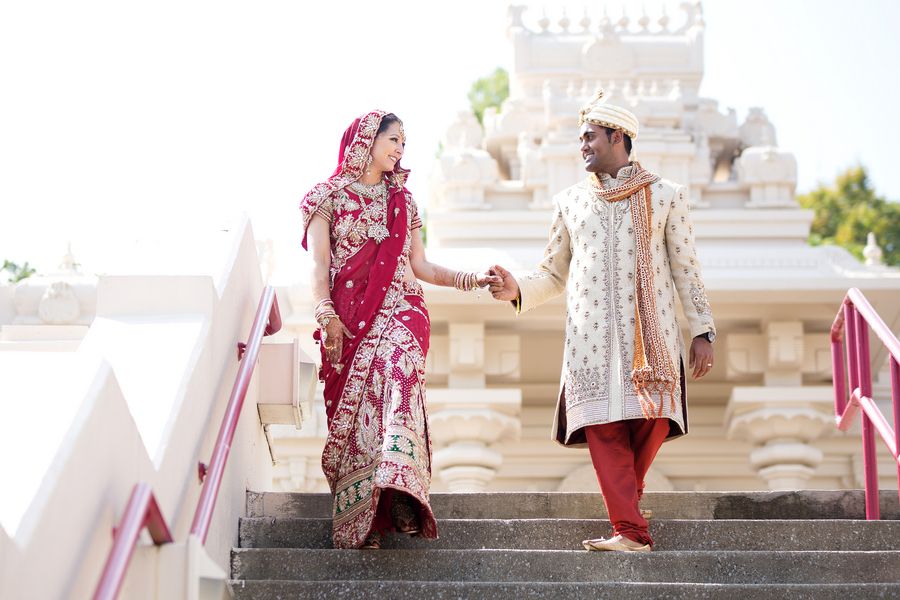
The key trends in wedding photography for 2026 reflect a shift toward unposed documentary storytelling, analogue film aesthetics, real-time social media content creation, and cinematic editorial portraiture. As Indian celebrations evolve into multi-day experiential events, couples are prioritizing candid emotional capture over rigid, staged stage line-ups. Understanding these emerging visual styles helps couples, families, and planning teams choose camera crews, allocate media budgets efficiently, and structure event timelines around optimal lighting conditions across venues in Hyderabad, Bengaluru, Mumbai, and Delhi.
Last Updated: September 2026
What Are the Key Trends in Wedding Photography for 2026?
┌─────────────────────────────────────────────────────────────────────────┐
│                    FEATURED SNIPPET DEFINITION BLOCK                    │
├─────────────────────────────────────────────────────────────────────────┤
│ Major trends in wedding photography for 2026 include unscripted         │
│ documentary storytelling, 35mm analogue film integration, same-day    │
│ vertical video reels for social platforms, high-fashion editorial       │
│ portraits, and ambient low-light drone cinematography that minimizes    │
│ intrusive flash setups during sacred rituals.                           │
└─────────────────────────────────────────────────────────────────────────┘
Modern wedding media coverage balances traditional family record-keeping with high-end cinematic production, requiring a clear distribution of roles among camera crews.
                  2026 MEDIA CREW FUNCTIONAL BREAKDOWN
┌─────────────────┐   ┌─────────────────┐   ┌─────────────────┐   ┌─────────────────┐
│ DOCUMENTARY TEAM│   │ EDITORIAL LEAD  │   │  CONTENT CREATOR│   │ TRADITIONAL TEAM│
│ (Unposed/Candid)│──>│ (Fashion/Couples)│──>│(Vertical/Reels) │──>│ (Family Stage)  │
│ 35mm Film/B&W   │   │ Controlled Light│   │ Real-Time Delivery│   │ Full Group Coverage│
└─────────────────┘   └─────────────────┘   └─────────────────┘   └─────────────────┘
Why People Get Wedding Photography Selection Wrong in India
Couples and family elders often encounter frustration during post-wedding photo delivery due to misaligned expectations regarding team roles and shooting styles.
- Expecting Candid Shooters to Handle Stage Line-Ups: Hiring a boutique candid specialist to shoot 600 guest stage greetings often leads to missed family portraits or slow queue movement. Standard group portraits require a dedicated traditional photo team.
- Underestimating Social Content Turnaround Expectations: Expecting full cinematic feature films within 48 hours creates unnecessary friction. Modern couples solve this by adding dedicated “wedding content creators” who shoot short-form vertical video clips for instant social sharing.
- Ignoring Lighting & Timeline Integration: Scheduling crucial rituals during harsh midday sun without consulting the lead photographer causes harsh shadows on silk attire and washed-out mandapam backdrops.
The 5 Major Visual Trends Shaping Indian Weddings in 2026
Indian wedding photography in 2026 emphasizes authenticity, artistic color grading, and non-intrusive technology that respects sacred traditions.
                   5 CORE VISUAL TRENDS FOR 2026
┌─────────────────────────────────────────────────────────────────────────┐
│ 1. Pure Documentary & Unscripted Storytelling                            │
│ 2. Analogue 35mm Film & Nostalgic Grain Processing                       │
│ 3. On-Site Social Content Creators & Instant Reels                      │
│ 4. Direct-Flash Editorial & High-Fashion Aesthetic                      │
│ 5. Silent Low-Impact Tech (Ambient Drones & Mirrorless Systems)          │
└─────────────────────────────────────────────────────────────────────────┘
1. Pure Documentary & Unscripted Storytelling
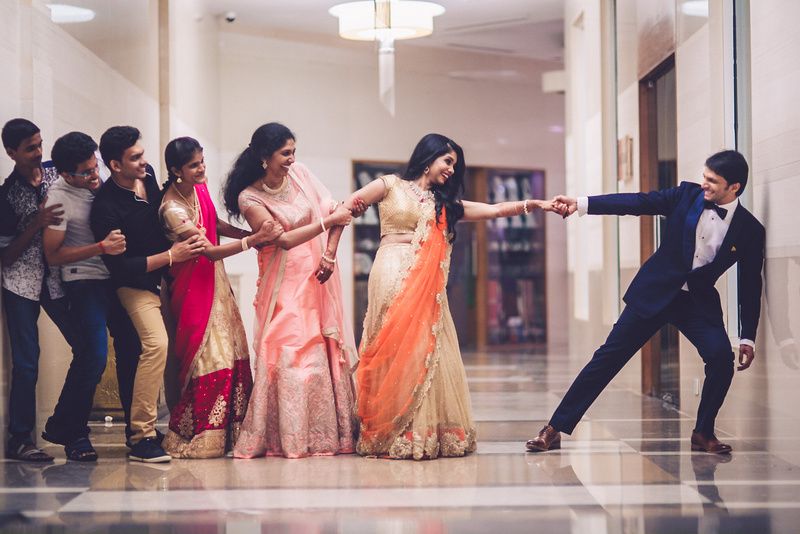
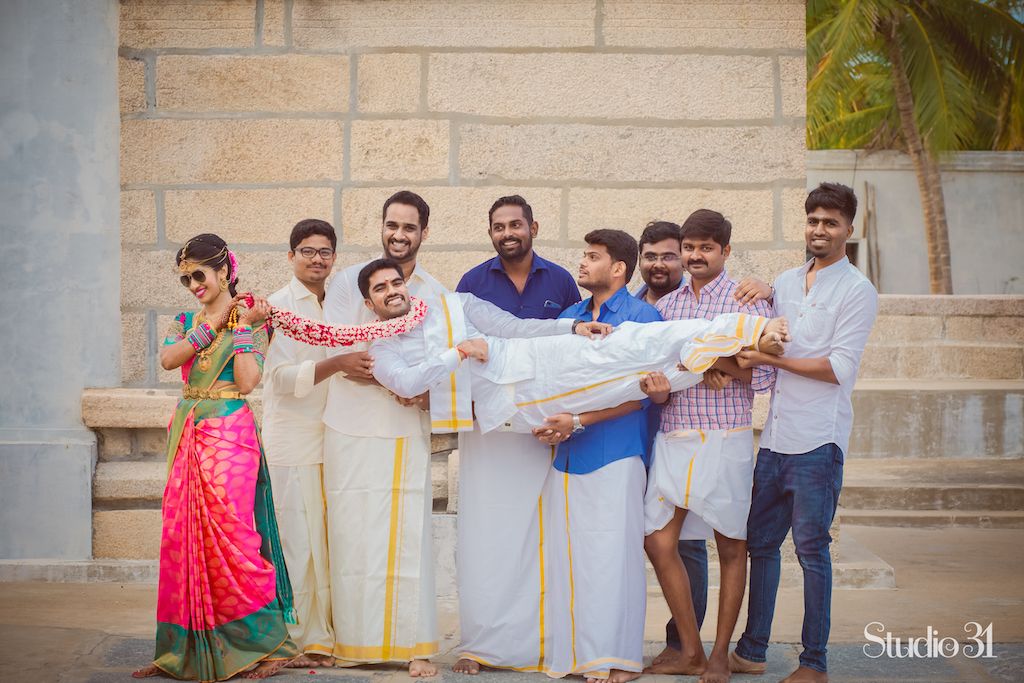
Couples are stepping away from staged “fake laughter” shots. The focus has moved to raw emotional moments—such as quiet conversations between the bride and her mother during makeup preparation, unscripted tears during the Kanyadaan, or spontaneous dancing during the Baraat. Photographers operate in stealth mode, using silent electronic shutters to avoid interrupting sacred chants.
2. Analogue 35mm Film & Nostalgic Grain Processing
In response to hyper-processed digital photos, analogue 35mm film and medium-format cameras are seeing a resurgence in Indian wedding photography for 2026. Teams blend digital coverage with physical film stock (such as Kodak Portra) to deliver rich skin tones, natural highlights, and a timeless, organic look for pre-wedding shoots and intimate rituals.
3. On-Site Social Content Creators & Instant Reels
While primary cinematography teams focus on high-resolution master films that take 8 to 12 weeks to edit, couples now hire dedicated mobile content creators. Using flagship smartphones equipped with mobile gimbals and wireless audio gear, these creators capture behind-the-scenes vertical video clips delivered within 12 to 24 hours for instant sharing.
4. Direct-Flash Editorial & High-Fashion Aesthetic
Inspired by global luxury fashion campaigns, evening events like Sangeeths and Cocktail receptions are embracing direct-flash photography. This technique uses sharp, direct light sources to produce punchy colors, deep shadows, and high-energy party shots that capture the excitement of late-night dance floors.
5. Silent Low-Impact Tech (Ambient Drones & Mirrorless Systems)
Heavy camera rigs and blinding multi-unit halogen lights are being replaced by lightweight mirrorless camera systems with high low-light performance. Compact, low-noise drones equipped with low-light sensors capture sweeping aerial views of illuminated venues (such as lakeside resorts or heritage palaces) without disrupting the ceremony below.
Photography Style & Budget Comparison Table
This comparison outlines how different media styles perform across key operational metrics in major Indian wedding markets:
| Photography Style | Primary Focus | Delivery Timeline | Estimated Cost Multiplier |
| Documentary / Candid | Unscripted emotion, genuine family reactions, subtle details | 6–10 Weeks | ₹1,500,000 – ₹4,000,000 per day |
| Traditional Coverage | Complete guest record, stage family groups, ritual steps | 2–4 Weeks | ₹500,000 – ₹1,200,000 per day |
| Analogue Film Hybrid | Timeless texture, rich skin tones, artistic portraiture | 8–12 Weeks | ₹2,000,000 – ₹5,000,000 per day |
| Social Content Creation | Instant vertical reels, behind-the-scenes clips, raw footage | 12–24 Hours | ₹250,000 – ₹600,000 per event |
| High-Fashion Editorial | Styled couple portraits, magazine-like lighting setups | 6–8 Weeks | ₹1,800,000 – ₹4,500,000 per day |
How Much Does a Comprehensive Wedding Photography Team Cost in Hyderabad?
In major South Indian hubs like Hyderabad, a full-service media team for a multi-day wedding (spanning Sangeeth, Haldi, Muhurtham, and Reception) typically costs between ₹3,500,000 and ₹10,000,000 total, depending on team size and equipment specifications.
                 SAMPLE MEDIA BUDGET ALLOCATION (₹5M TOTAL)
┌─────────────────────────────────────────────────────────────────────────┐
│  Candid Photo Lead & 2nd Shooters (35%): ₹1,750,000                    │
│  Cinematography & Master Film Directors (30%): ₹1,500,000              │
│  Traditional Photo & Video Crew for Stage (15%): ₹750,000               │
│  Dedicated Mobile Content Creator (10%): ₹500,000                      │
│  Physical Leather Albums & Drone Permits (10%): ₹500,000               │
└─────────────────────────────────────────────────────────────────────────┘
A well-structured media budget balances creative storytelling with complete coverage of extended family members.
Step-by-Step Guide: How to Select and Brief Your Wedding Photographer
Follow this step-by-step framework to select, evaluate, and direct your media team for optimal results:
1.Step 1: Define Your Visual Preference Profile:Identify preferred visual aesthetics.
Review full wedding galleries—not just curated social media highlights—to determine whether you prefer vibrant warm tones, moody artistic contrast, or clean documentary processing.
2.Step 2: Audit Team Structure & Dual-Team Capacity:Ensure separate crews handle stage and candid work.
Confirm that the photography agency provides separate dedicated crews for candid storytelling and traditional stage group coverage to prevent gaps in event record-keeping.
3.Step 3: Review Venue Lighting & Event Timelines:Align lighting needs with ritual timings.
Share your venue layouts and ritual schedules with the lead photographer early. Adjust outdoor portrait sessions to coincide with golden hour lighting (typically 4:30 PM – 6:00 PM).
4.Step 4: Establish Deliverables & Turnaround Timelines:Specify deliverables, formats, and edit rounds.
Ensure your contract clearly outlines the number of edited high-resolution photos, teaser video lengths (1-minute vs. 3-minute formats), master feature film durations, and physical album specifications.
5.Step 5: Create a Shot List for Essential Family Members:List key family members and sensitive rituals.
Supply the team with a list of immediate family members, key elders, and high-priority cultural rituals (such as Talambralu, Mangalsutra dharana, or Pellikuthuru) that require guaranteed coverage.
6.Step 6: Plan On-Site Media Crew Logistics:Coordinate crew meals and storage space.
Provide the camera crew with secure equipment storage areas and designated meal breaks during long multi-day shifts to maintain high performance throughout the event.
4 Common Myths About Wedding Photography Trends
Myth 1: “A single photographer can capture both candid moments and stage greetings.”
Fact: Candid photography requires roaming freedom and continuous observation, whereas stage photography demands fixed lighting setups and rapid line management. Combining both roles into one operator results in missed moments and fatigue.
Myth 2: “Drones can replace all ground-level video teams.”
Fact: Drones excel at sweeping venue reveals and large outdoor crowd shots, but they cannot capture intimate indoor vows, emotional expressions, or audio during sacred rituals. They serve as supplementary media tools, not primary cameras.
                  GROUND COVERAGE vs. AERIAL DRONE ROLES
┌──────────────────────────────────────────┐  ┌──────────────────────────────────────────┐
│         GROUND CINEMATOGRAPHY            │  │           AERIAL DRONE MEDIA             │
├──────────────────────────────────────────┤  ├──────────────────────────────────────────┤
│ • Crystal-clear audio recording of vows │  │ • Establishing shots of venue scale      │
│ • Intimate facial expressions & emotion  │  │ • Outdoor baraat crowd movements         │
│ • Unobtrusive indoor ritual coverage     │  │ • Dramatic architectural perspectives    │
└──────────────────────────────────────────┘  └──────────────────────────────────────────┘
Myth 3: “Raw, unedited files are essential to collect after the wedding.”
Fact: Professional photographers shoot in uncompressed RAW formats that look flat and uncalibrated without specialized color-grading software. Unedited files can exceed several terabytes in size, whereas edited JPEG exports deliver finished, color-corrected images ready for viewing.
Myth 4: “Pre-wedding shoots must happen in foreign destination cities.”
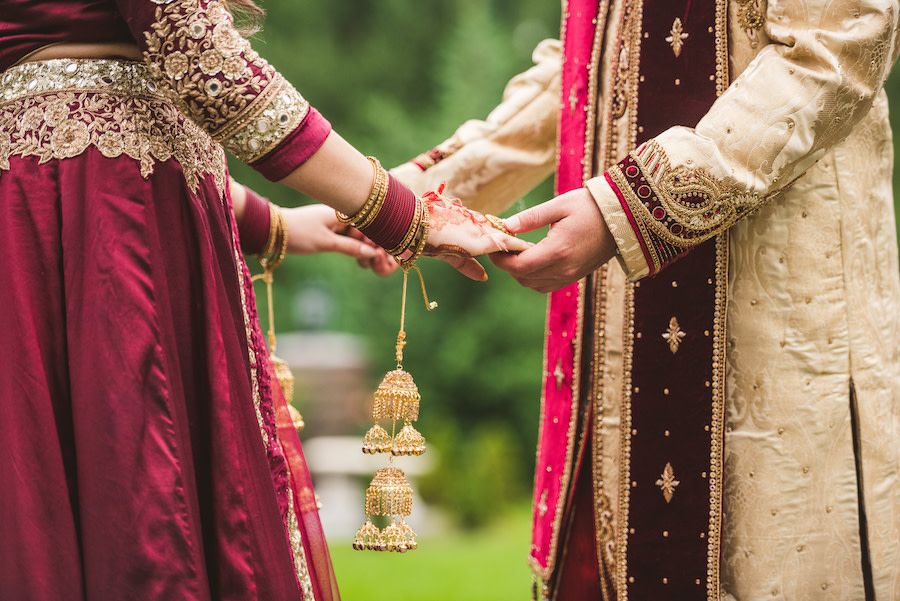
Fact: The latest trend favors intimate, personal locations—such as heritage ancestral homes, quiet outdoor landscapes, or local architectural sites. Thoughtful styling and meaningful settings often yield more genuine imagery than generic resort backdrops.
Real-World Photography Scenarios
Scenario 1: A Grand 3-Day Destination Wedding in Udaipur
- The Profile: A multi-event celebration featuring 500 guests hosted across a heritage palace venue.
- The Challenge: Capturing high-energy Sangeeth performances alongside traditional morning rituals without placing intrusive equipment in front of seated guests.
- The Solution: The couple hired a primary candid media director, two traditional video operators, an analogue 35mm film specialist, and an on-site social media content creator. The team used long focal-length telephoto lenses for indoor rituals, keeping main camera bodies well clear of the sacred mandapam area.
- The Outcome: The couple received real-time social video reels every morning during the event, followed by a finished documentary film featuring rich film tones 8 weeks later.
Udaipur Palace Media Workflow
├── Morning Rituals: Telephoto Lenses + Silent Mirrorless Shutters
├── Sangeeth Evening: Direct-Flash Editorial Setup + On-Site Reel Edits
├── Social Delivery: 12-Hour Vertical Video Drops
└── Master Delivery: 35mm Film Processing + 4K Feature Film Edit
Scenario 2: An Intimate South Indian Ceremony in Hyderabad
- The Profile: A 250-guest traditional Telugu wedding hosted at a resort hall near Shamshabad.
- The Challenge: Balancing tight morning Muhurtham timelines with requests for quiet bridal portraits before the main ceremony.
- The Solution: The schedule allocated 45 minutes for bridal portraits at 5:30 AM before guest arrivals, illuminated by soft LED panels. A two-tier media crew was deployed: one candid team focused on natural family reactions during Talambralu, while a second team managed formal family portraits on stage.
- The Outcome: Stage greetings ran smoothly without delaying the couple, resulting in a balanced album of candid moments and formal family records.
Practical Checklist: Essential Questions to Ask Before Booking a Media Team
Review this checklist during vendor discovery meetings:
- [ ] Full Gallery Access: Have you reviewed 2–3 complete, uncurated wedding galleries shot at venues similar to yours?
- [ ] Crew Size & Names: Does the contract list the exact team size, including lead shooters by name rather than unassigned freelancers?
- [ ] Backup Equipment Protocols: Does the crew carry duplicate camera bodies, dual memory card slots, and offsite data backup drives on location?
- [ ] Music & Copyright Rights: Does the cinematography team license royalty-free soundtrack tracks to prevent copyright takedowns when sharing videos online?
- [ ] Post-Production Revision Policy: Are 1–2 rounds of color and edit revisions included in the master film contract?
Frequently Asked Questions
What are the biggest trends in wedding photography for 2026?
The dominant trends include candid documentary storytelling, analogue 35mm film processing, dedicated mobile content creators for same-day social media reels, direct-flash editorial portraits, and silent low-light camera setups that keep ceremonies clear of bulky gear.
How much does candid wedding photography cost in India?
Candid wedding photography typically ranges from ₹150,000 to ₹400,000 per day for lead photographers. Full multi-day teams offering both candid and traditional photo and video coverage generally range from ₹350,000 to ₹1,000,000+ per day.
What is the difference between a candid photographer and a traditional photographer?
A candid photographer operates unobtrusively to capture natural emotions, unscripted moments, and artistic compositions without directing subjects. A traditional photographer sets up formal poses, manages stage group queues, and ensures every attending guest is documented.
Why are couples hiring separate wedding content creators?
Traditional cinematic films take 6 to 12 weeks to edit and color-grade. Dedicated wedding content creators use mobile smartphones and compact gimbals to capture behind-the-scenes vertical video clips delivered within 12 to 24 hours for instant sharing on social platforms.
Should I get an analogue film shoot for my wedding?
Analogue film is an excellent option if you appreciate rich color texture, authentic film grain, and a classic aesthetic. Many top photographers offer hybrid packages that combine high-resolution digital coverage with select rolls of 35mm or medium-format film.
How many photos should I expect from a 3-day Indian wedding?
A 3-day Indian wedding typically yields 1,500 to 3,000 fully edited high-resolution digital images across candid and traditional coverage, along with 100 to 200 specially retouched album selections.
How early should I book a wedding photographer in Hyderabad?
Popular wedding photographers during peak Shubhamuhurtham dates (typically November through February and April through June) are often booked 6 to 10 months in advance. Securing your media team early helps align lighting plans and event schedules.
How long does it take to receive final wedding videos and albums?
Teaser videos and social media reels are typically delivered within 3 to 7 days. Full documentary films, master feature videos, and physical leather-bound albums generally take 8 to 12 weeks to complete.
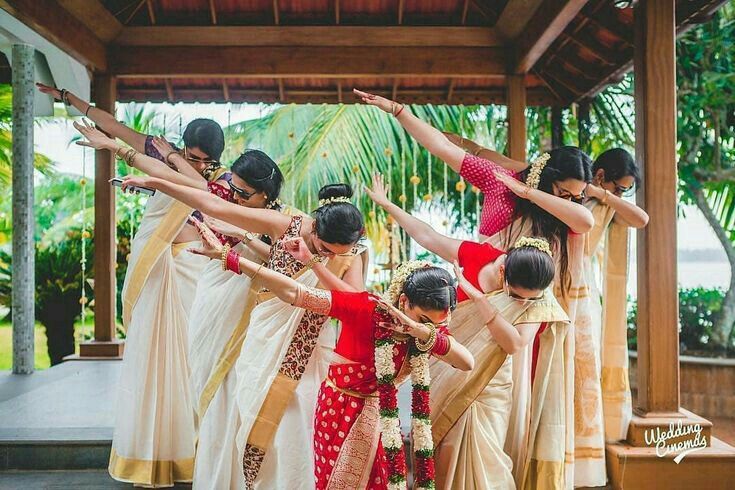
Keeping up with trends in wedding photography for 2026 helps couples capture their celebration with visual clarity and emotional depth. By choosing a team structure that balances candid storytelling, traditional record-keeping, and modern social media formats, you can preserve every moment of your event. Equipped with these industry insights, you can select the right camera crew and build a media plan with complete confidence.




Leave a Comment