
Table of Contents
Eco Friendly Wedding Ideas in India: The Ultimate Zero-Waste Planning Guide
Planning a celebration using practical eco friendly wedding ideas in India allows couples to host a grand, culturally rich celebration while dramatically lowering environmental waste. Indian weddings traditionally generate significant footprint—from thousands of single-use plastic water bottles and non-biodegradable floral foam to tons of discarded surplus food. By making strategic changes in venue selection, catering protocols, floral mechanics, and invitation design, couples can reduce event waste by up to 70% without sacrificing luxury or traditional hospitality.

What Are Eco Friendly Wedding Ideas in India?
Implementing eco friendly wedding ideas in India means adopting sustainable, low-waste event planning strategies tailored to Indian cultural ceremonies. This approach focuses on six core areas: eliminating single-use plastics, sourcing foam-free local decor, managing food surplus through food-recovery NGOs, choosing upcycled or handloom attire, utilizing digital or plantable invites, and selecting venues powered by renewable energy.
+-----------------------------------------------------------------------------------+
|               CORE PILLARS OF AN ECO-FRIENDLY INDIAN WEDDING                      |
+------------------------------------+----------------------------------------------+
| 1. Plastic-Free Hospitality        | Glass bottles, copper carafes, clay kulhads  |
| 2. Zero-Waste Food Management      | Controlled RSVP counts, NGO food collection  |
| 3. Foam-Free Floral Architecture   | Kenzans, chicken wire, potted indigenous flora|
| 4. Circular Bridal Fashion         | Upcycled handlooms, silk rentals, heirlooms |
| 5. Sustainable Guest Favours       | Plantable seed cards, artisanal organic goods|
| 6. Energy-Efficient Venues         | Naturally lit outdoor/courtyard spaces       |
+------------------------------------+----------------------------------------------+
Why Indian Weddings Generate Excessive Waste (And How to Fix It)
A standard Indian wedding with 500 to 1,000 guests generates roughly 1,500 to 2,000 kilograms of waste across a two-day celebration. According to industry estimates from wedding research reports, food wastage alone accounts for nearly 15% to 20% of the total F&B budget at large gatherings.
Much of this waste stems from modern single-use additions rather than ancient traditions. Historically, Indian weddings relied on natural, fully compostable materials: banana leaf dining (Aatla/Vazhai Ilai), terracotta cups (kulhads), marigold garlands (Banthipoolu), and woven palm-leaf canopies. Over the past three decades, these organic elements were replaced by single-use plastic water bottles, synthetic polyester drapes, imported florals preserved in non-biodegradable microplastic floral foam (oasis), and heavily laminated paper invites.
Transitioning back to an eco-conscious celebration does not mean hosting an austere gathering. It means replacing synthetic single-use items with durable, reusable, or compostable materials while retaining the warmth and scale of traditional Indian celebrations.
What Is the Difference Between Green Weddings and Conventional Weddings?
Understanding how sustainable setups compare to standard event practices highlights the operational shifts required during planning.
| Planning Category | Conventional Indian Wedding | Eco Friendly Indian Wedding |
| Guest Invitations | Heavy box invites with plastic wrapping & sweets | Interactive digital invites or plantable seed paper |
| Hydration Setup | 200ml single-use plastic bottles (2,000+ units) | Copper carafes, glass dispensers & clay kulhads |
| Dining & Cutlery | Plastic-coated paper plates & plastic cutlery | Traditional banana leaves, steel thalis, or Areca palm plates |
| Floral Mechanics | Floral foam (oasis) blocks (microplastics) | Reusable chicken wire, bamboo tubes, kenzans & moss |
| Flower Sourcing | Air-freighted imported tulips, orchids & roses | Locally farmed marigolds, tuberoses, jasmine & potted plants |
| Surplus Food Handling | Discarded into municipal garbage bins | Collected late-night by verified food-redistribution NGOs |
| Stage & Backdrop | Single-use thermocol cutouts & PVC banners | Reusable brassware, carved wood, raw silk & jute |
| Wedding Favours | Plastic-packaged commercial sweets/trinkets | Potted succulents, raw forest honey, handloom tote bags |
Practical Eco Friendly Wedding Ideas Across 5 Core Areas
Adopting sustainable event practices requires evaluating the major logistical areas of your wedding setup.
+---------------------------------------------------------------------------------+
|                      5 MAJOR SUSTAINABLE EVENT AREAS                            |
+---------------------------------------------------------------------------------+
| [ 1. Sustainable Decor ]   -> Foam-free mechanics, potted greens, brass accents |
| [ 2. Food & Beverage ]     -> Banana leaf service, local produce, NGO pickup    |
| [ 3. Zero-Plastic Hydration]-> Copper carafes, glass water bottles, clay mugs   |
| [ 4. Attire & Beauty ]     -> Vintage silk upcycling, cruelty-free makeup       |
| [ 5. Gifts & Invitations ] -> Seed paper invites, organic artisanal hampers     |
+---------------------------------------------------------------------------------+
1. Foam-Free Decor and Sustainable Floral Architecture
Floral foam (phenolic resin) is a non-biodegradable microplastic that breaks down into toxic particles, harming soil and water systems. Replacing it is a straightforward way to make your decor sustainable.
- Chicken Wire and Bamboo Mechanics: Decorators can construct mandaps, stage arches, and entryways using metal chicken wire, bamboo frames, or kenzans (Japanese flower frogs) to support flower stems in water containers.
- Potted Plants as Backdrop Elements: Incorporate potted bougainvillea, palms, ferns, and flowering crotons to build stage backgrounds. After the event, these plants can be reused at home, gifted to guests, or returned to local plant nurseries.
- Locally Sourced Organic Florals: Choose native blooms like marigolds (Banthipoolu), chrysanthemums (Samanthi), tuberoses (Nithya Malli), and fresh mango leaves (Toranalu). Local flowers require less energy to transport and compost easily after the event.
2. Zero-Waste Catering and Surplus Food Management
Food waste is a major environmental issue at large gatherings. Managing menu portions and distribution keeps quality high while minimizing waste.
- Streamlined Menu Engineering: Rather than offering 60+ redundant dishes on a massive buffet, curate a focused menu of 18 to 22 high-quality regional specialties. This reduces food preparation waste by up to 25%.
- Banana Leaf or Areca Palm Dining: Serve traditional sit-down meals (Panti Bhojanam) on fresh banana leaves or biodegradable pressed Areca palm leaf plates, which can be composted within 60 days.
- Partnerships with Food Recovery NGOs: Formalize an agreement with organizations such as the Robin Hood Army, Feeding India, or local municipal shelters. Volunteers collect untouched food directly from venue kitchens late at night, test its safety, and distribute it to local shelters.
3. Plastic-Free Hydration and Guest Hospitality
Single-use plastic water bottles create significant plastic waste at event venues. Reusable hydration stations offer an elegant, eco-friendly solution.
- Glass Bottles and Copper Carafes: Place chilled glass water bottles or brass and copper carafes on guest tables, refilled regularly by service staff from purified water units.
- Earthen Kulhads and Glassware: Serve welcome drinks—such as Nannari sherbet, fresh tender coconut, moru (spiced buttermilk), or panna—in terracotta kulhads, glass tumblers, or coconut shells instead of plastic cups.
4. Circular Bridal Wardrobe and Conscious Beauty
Bridal fashion often involves heavy, single-use garments. Circular fashion choices allow you to wear beautiful attire with a lower environmental footprint.
- Upcycled Heirloom Textiles: Transform a mother’s or grandmother’s vintage Kanjeevaram, Paithani, or Banarasi silk saree into a custom lehenga, jacket, or ceremony drape.
- Rented Designer Outfits: Rent outfits for pre-wedding functions like the Sangeeth, Mehendi, or Haldi from verified bridal rental platforms, keeping high-end fashion circular.
- Organic Beauty Products: Work with makeup artists who use cruelty-free, organic products and avoid plastic-based glitters, synthetic lashes, or single-use applicators.
5. Plantable Invitations and Eco-Friendly Return Gifts
Traditional paper invitations and plastic-wrapped return gifts often end up discarded. Sustainable alternatives offer lasting value to your guests.
- Digital-First Communication: Share event schedules, location links, and RSVP tracking via interactive websites or custom e-invites.
- Seed-Paper Invites: For physical invites sent to elders and close family, print on handmade, chemical-free paper embedded with seeds (such as basil, marigold, or tomato) that guests can plant in their gardens.
- Practical Eco-Favors: Replace plastic knick-knacks with potted succulents, organic honey, artisanal spices, handloom drapes, or brass oil lamps (diyas) packed in reusable jute bags.
6 Steps to Executing a Low-Waste Wedding in India
Follow this step-by-step process to plan a low-waste wedding without compromising on aesthetics or guest comfort.
+-----------------------------------------------------------------------------------+
|                  6-STEP ECO-FRIENDLY PLANNING FRAMEWORK                           |
+-----------------------------------------------------------------------------------+
| Step 1: Define Green Priorities with Both Families                                |
| Step 2: Select a Naturally Lit, Open-Air or Eco-Certified Venue                   |
| Step 3: Contract Vendors with Specific Foam-Free & Zero-Plastic Clauses           |
| Step 4: Finalize a Seasonal, Locally Sourced Catering Menu                        |
| Step 5: Establish Food Recovery & Waste Composting Logistics                      |
| Step 6: Create Guest Awareness Around Eco-Friendly Hospitality                    |
+-----------------------------------------------------------------------------------+
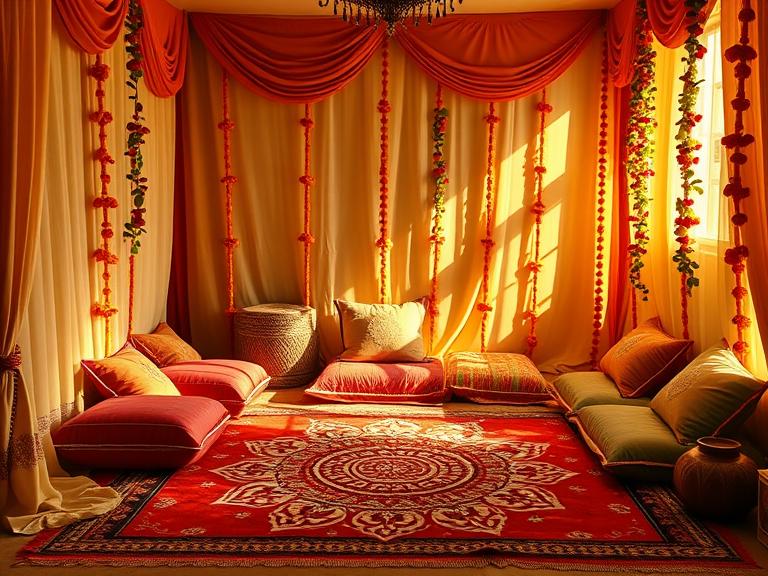
Step 1: Set Clear Sustainability Goals
Before booking venues or vendors, sit down with both families to establish non-negotiable eco-friendly goals. Decide on priorities such as eliminating single-use plastic water bottles, choosing digital invites, or using foam-free decor. Setting clear expectations early prevents disagreements over traditional versus green choices later on.
Step 2: Select an Eco-Conscious or Naturally Day-Lit Venue
Choose a venue that minimizes energy consumption. Outdoor garden lawns, heritage courtyards, or glass-roofed banquet spaces reduce the need for daytime electric lighting. Ask venue managers about their waste segregation, solar power integration, and on-site composting facilities.
Step 3: Add Eco-Friendly Clauses to Vendor Contracts
When hiring decorators, caterers, and planners, include specific sustainable practices in their contracts:
- Decorator: Explicitly ban floral foam (oasis), single-use plastic drapes, and thermocol props.
- Caterer: Require glass water bottles, reusable dinnerware, and strict waste sorting in the kitchen.
- Planner: Ensure their team coordinates on-site waste segregation and oversees food recovery logistics.
Step 4: Curate a Seasonal, Locally Sourced Menu
Work with your caterer to design a menu built around seasonal regional ingredients. Sourcing produce locally reduces transit emissions while delivering fresher flavors. Use an accurate digital RSVP system to give your caterer a final guest count three days before the event, preventing over-preparation.
Step 5: Arrange Food Recovery and Waste Composting
Set up a clear waste management plan for the event day. Place labeled sorting bins for dry, wet, and organic waste near kitchen and dining areas. Sign an agreement with a local food recovery NGO for late-night surplus pickup, and arrange for floral waste to be sent to a composting facility or upcycled into incense sticks (incense dhoop).
Step 6: Inform Your Guests
Inform your guests about your eco-friendly choices through your wedding website or e-invites. Let them know about features like copper water stations, digital schedules, or seed-paper invites. Sharing your approach encourages guests to support your low-waste efforts throughout the event.
What Common Myths Exist About Sustainable Indian Weddings?
Clearing up common misconceptions helps prevent budget errors and guest discomfort.
+---------------------------------------------------------------------------------+
|                       4 SUSTAINABLE WEDDING MYTHS DEBUNKED                      |
+---------------------------------------------------------------------------------+
| Myth 1: Green weddings look plain, basic, or lack traditional grandeur.          |
| Fact  : Brassware, fresh local flora, & woven silks create rich aesthetics.     |
|                                                                                 |
| Myth 2: Eco-friendly event planning is drastically more expensive.              |
| Fact  : Savings on invites, water bottles, & F&B offset specialized green costs.|
|                                                                                 |
| Myth 3: Guests will find plastic-free hospitality inconvenient.                  |
| Fact  : Copper carafes & chilled herbal drinks offer an elevated experience.    |
|                                                                                 |
| Myth 4: Managing surplus food pickup takes too much effort on the event day.    |
| Fact  : Food recovery NGOs handle packaging, testing, & transport seamlessly.   |
+---------------------------------------------------------------------------------+
Myth 1: “Eco-friendly weddings look plain and lack traditional grandeur.”
The Reality: Sustainable weddings highlight rich textures, traditional brass elements, vibrant native flowers, and handloom fabrics. Reusable wooden structures, terracotta accents, and lush potted greenery create an elegant, authentic aesthetic that often looks more refined than synthetic, plastic-heavy setups.
Myth 2: “Going eco-friendly is much more expensive.”
The Reality: While certain sustainable options—like organic farm produce or hand-poured soy candles—may carry a slight premium, they are balanced out by savings elsewhere. Cutting paper invites, avoiding imported flowers, and reducing catering food waste lowers overall expenses, keeping your budget balanced.
Myth 3: “Guests will find plastic-free hospitality inconvenient.”
The Reality: Guests rarely miss single-use plastic bottles when provided with well-organized alternatives. Chilled herbal drinks in glass bottles, copper table carafes, and traditional banana leaf service offer a refreshing, high-quality dining experience.
Myth 4: “Managing surplus food pickup takes too much effort on the event day.”
The Reality: Partnering with an established food recovery NGO makes the process straightforward. Volunteer teams arrive directly at the venue kitchen during dinner service to test, package, and transport untouched surplus food without interrupting your event.
Real-World Eco-Friendly Wedding Scenarios
These realistic planning scenarios illustrate how couples can apply sustainable strategies across different event formats in India.
Scenario A: The 600-Guest Zero-Plastic Telugu Wedding in Hyderabad
- The Profile: A family hosting a traditional 600-guest Telugu wedding at a venue in Hyderabad, aiming to cut plastic and food waste.
- The Setup: The mandap was built using brass structures, woven coconut-leaf mats, and 100 rented potted plants. Meals were served on fresh banana leaves with water poured from brass carafes.
- The Result: The family eliminated over 2,500 single-use plastic water bottles. A local food recovery NGO collected 80 untouched surplus meals after dinner, distributing them to nearby shelters within two hours.
Scenario B: The Intimate 100-Guest Courtyard Heritage Ceremony
- The Profile: A couple planning an intimate 100-guest morning ceremony in an ancestral courtyard.
- The Setup: The bride wore her mother’s restyled Kanjeevaram silk saree. Invitations were sent entirely via a customized website with a digital RSVP system. Decor featured locally grown marigolds and mango leaf torans.
- The Result: The event generated less than two bags of non-recyclable dry waste. All floral arrangements were composted on-site after the ceremony, nourishing the family’s garden.
Scenario C: The 300-Guest Green Destination Event
- The Profile: A 300-guest destination event focused on minimizing plastic waste and energy use.
- The Setup: The couple selected a solar-powered resort with natural outdoor lighting for daytime events. Guests received stainless-steel water bottles upon arrival, which could be refilled at glass hydration stations across the property.
- The Result: Return favors consisted of small jars of raw, locally harvested forest honey in jute bags. The foam-free floral setups saved an estimated 40 kilograms of microplastic waste compared to standard setups.
How Much Money Can You Save with an Eco-Friendly Setup?
Planning an eco-friendly wedding reshapes how your budget is allocated rather than simply increasing expenses. Money saved on physical invitations, imported flowers, and prevented food waste can be reinvested into higher-quality catering ingredients, bespoke handlooms, or memorable guest experiences.
+---------------------------------------------------------------------------------+
|                  500-GUEST BUDGET ALLOCATION COMPARISON                         |
+---------------------------------------------------------------------------------+
| CONVENTIONAL WEDDING COSTS        | ECO-FRIENDLY WEDDING COSTS                  |
| Paper Invites: ₹60,000 - ₹1,50,000| Digital/Seed Cards: ₹10,000 - ₹30,000      |
| Plastic Bottles/Cups: ₹35,000     | Glass/Copper Setup: ₹18,000                 |
| Foam/Imported Decor: ₹6.0L - ₹10L | Foam-Free Local Decor: ₹4.0L - ₹7.0L        |
| Food Waste Margin: 15-20% extra   | Precise RSVP Catering: Saves 10-15% on F&B  |
+---------------------------------------------------------------------------------+
Key Budget Reallocations
- Invitations: Choosing digital invitations with a small run of seed-paper cards for close family saves ₹50,000 to ₹1,20,000 compared to heavy acrylic or boxed invites.
- Floral Mechanics: Using local, in-season flowers with reusable chicken wire and potted plants cuts floral decoration costs by 20% to 30% compared to air-freighted imported blooms.
- Catering Precision: A reliable RSVP tracking process reduces food waste by 10% to 15%. On a 500-guest event with a ₹1,500 per-plate cost, avoiding over-preparation saves up to ₹1,12,500.
Essential Checklist for an Eco-Friendly Wedding
Use this checklist to confirm your sustainable wedding preparations are on track:
+-----------------------------------------------------------------------------------+
|                      ECO-FRIENDLY WEDDING PLANNING CHECKLIST                      |
+-----------------------------------------------------------------------------------+
| [ ] Digital Strategy: Website and e-invites set up with digital RSVP tracking     |
| [ ] Decor Mechanics: Decorator contract specifies foam-free floral construction   |
| [ ] Catering Contract: Reusable glass, steel, or ceramic dinnerware confirmed     |
| [ ] Surplus Food Plan: NGO agreement signed for late-night food pickup            |
| [ ] Floral Disposal: Composting or flower-upcycling partner confirmed             |
| [ ] Guest Hydration: Copper carafes or glass water stations placed across venue   |
| [ ] Eco Favours: Locally sourced, plastic-free return gifts in natural bags       |
| [ ] Wardrobe Choice: Heirloom, upcycled, or rented attire finalized for events    |
+-----------------------------------------------------------------------------------+
Frequently Asked Questions
How do I start planning an eco friendly wedding in India without overwhelming my family?
Start by focusing on three manageable areas: replacing single-use plastic water bottles with glass carafes, sending digital invitations, and arranging food surplus collection with a local NGO. Demonstrating how these changes preserve tradition while reducing waste helps build family support before making broader adjustments.
Can a wedding with over 500 guests still be eco-friendly in India?
Yes, large weddings can easily be sustainable. At scale, simple shifts—such as serving meals on traditional banana leaves, replacing plastic bottles with glass water carafes, and using foam-free local flowers—have a major environmental impact, keeping thousands of single-use items out of landfills.
How do we handle leftover food at an Indian wedding safely?
Partner with a registered food recovery NGO prior to the event. Volunteer teams bring food-grade containers and insulated bags to collect untouched surplus food directly from the venue kitchen, test its safety, and distribute it to local shelters within hours.
What are the best alternatives to floral foam for wedding mandaps?
Decorators can build sturdy, elegant mandaps using chicken wire cages filled with damp moss, reusable kenzans (flower frogs), bamboo water tubes, or potted plants. These methods keep flowers fresh without generating microplastic waste.
Are digital wedding invitations socially acceptable for traditional Indian families?
Yes, digital invitations are widely accepted today, especially when paired with an interactive wedding website. For elderly relatives who prefer physical cards, print a limited run on chemical-free paper embedded with plantable seeds.
What are some practical eco-friendly return gift ideas for wedding guests?
Thoughtful eco-friendly return gifts include potted succulents, seed-paper calendars, jars of organic forest honey, handloom tote bags, soy-wax candles, or artisanal herbal teas sourced from local cooperatives.
How do I ensure my decorator does not use single-use plastics or floral foam?
Include specific eco-friendly requirements directly in your decor contract. Specify that no floral foam (oasis), plastic drapes, or disposable prop wraps may be used, and request a mock-up of their foam-free floral mechanics prior to final approval.
Does an eco-friendly wedding cost more than a traditional wedding in India?
No, an eco-friendly wedding typically costs about the same as a traditional event. While artisanal favors or organic produce may carry a slight premium, those expenses are balanced by savings on physical invites, reduced floral waste, and precise catering quantities.

Final Planning Perspective
Adopting eco friendly wedding ideas in India comes down to making intentional, thoughtful choices at every stage of your planning process. By switching to foam-free decor, preventing food waste, eliminating single-use plastics, and choosing conscious attire, you can host a memorable celebration that honors both your traditions and the environment. Focus on clear communication with your vendors and family early on—every eco-friendly step you take contributes to a cleaner, more sustainable future.



Leave a Comment