
Table of Contents
How to Prepare a Groom for Marriage in Hyderabad: A Complete Guide
Understanding how to prepare a groom for marriage involves far more than renting a sherwani and booking a salon appointment two days before the ceremony. In Indian weddings, the groom is central to multi-day rituals, extensive family hospitality, photo sessions, and high-energy celebrations. Whether you are navigating a traditional Telugu Pellikoduku, a high-energy Sangeet in Jubilee Hills, a grand Baraat, or an evening Reception in Madhapur, adequate preparation ensures you look polished and stay calm throughout the event.
An effective preparation strategy breaks the groom’s responsibilities into manageable phases: physical grooming and skincare starting 3 to 6 months ahead, custom wardrobe tailoring and accessory pairing 2 to 4 months prior, and operational delegation during the final weeks. Following a structured roadmap helps you arrive at your wedding day fully prepared, rested, and ready for every ceremony.
What is Groom Preparation?
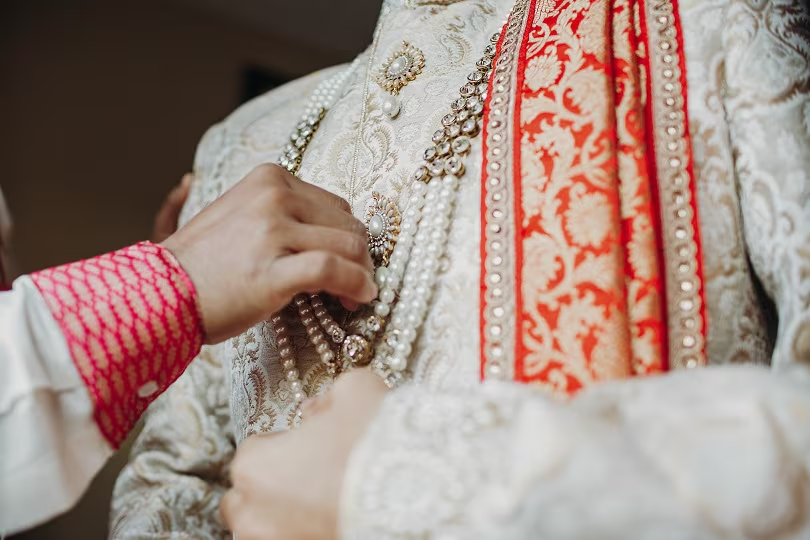
Groom preparation is the structured, multi-month process an Indian groom follows to manage his personal grooming, tailored attire, ritual understanding, and logistics before his wedding. It transforms what can be an overwhelming series of multi-day events—such as wardrobe fittings, skin treatments, and hospitality management—into an organized timeline that avoids last-minute errors.
┌─────────────────────────────────────────────────────────────────────────────┐
│                      GROOM PREPARATION MILESTONE MATRIX                     │
├──────────────────────────────┬──────────────────────────────┬───────────────┤
│ PREPARATION PHASE            │ CORE DELIVERABLES            │ TIMELINE      │
├──────────────────────────────┼──────────────────────────────┼───────────────┤
│ Foundation & Fitness         │ Skincare Routine, Hair Plan  │ 3 to 6 Months │
│ Wardrobe Sourcing & Jewels   │ Sherwani, Suits, Safa, Shoes │ 2 to 4 Months │
│ Tailoring & Trial Sessions   │ Alterations, Shoe Break-in   │ 2 to 4 Weeks  │
│ Trousseau & Delegation       │ Event Garment Bags, Protocol │ 1 to 2 Weeks  │
└──────────────────────────────┴──────────────────────────────┴───────────────┘
Why Structured Groom Preparation Matters in Indian Weddings
Indian weddings are culturally vibrant, emotionally significant, and physically demanding. In wedding hubs like Hyderabad, celebrations often combine regional traditions—such as early morning Muhurtham rituals—with large evening receptions host to hundreds of guests.
Unstructured Preparation Risks          Structured Preparation Target
├── Poorly fitted sherwani & collar gap  ├── Multi-stage bespoke tailor fittings
├── Severe razor burn or breakout       ├── 3-month dermatologist skin care
├── Uncomfortable, stiff footwear       ├── 3-week footwear break-in period
└── Groom handling vendor payments      └── Delegated groomsmen team operations
Without proper preparation, grooms often run into preventable issues:
- Garment Discomfort: A heavy zardozi sherwani or wool-blend tuxedo that has not been properly fitted can restrict movement, create stiff shoulder lines, or cause overheating during long mandap rituals.
- Last-Minute Grooming Mistakes: Drastic hair restyling or clean shaving just hours before the event often leads to skin irritation, razor burns, or uneven tan lines under high-definition photography lenses.
- Footwear Pain: Stiff leather juttis or unsoftened oxford shoes worn for hours on hard granite or lawn venues can cause painful blisters midway through the wedding day.
- Logistical Overload: When grooms try to manage guest transportation, valet setups, or vendor balances on their wedding morning, they lose the ability to relax and enjoy the occasion.
The 5 Pillars of Complete Groom Preparation
To cover every detail without feeling overwhelmed, break your wedding preparations into five clear focus areas.
                          ┌── 1. Skincare, Fitness & Grooming
                          ├── 2. Bespoke Wardrobe & Footwear Sourcing
Groom Preparation ────────┼── 3. Cultural Rituals & Etiquette
     Architecture         ├── 4. Logistics & Groomsmen Delegation
                          └── 5. Day-of Emergency Readiness
1. Skincare, Fitness, and Personal Grooming
Your skin and physical energy set the tone for your appearance across long event days.
- Dermatologist-Approved Skincare: Start a simple skincare routine 3 to 6 months before the wedding. Focus on a gentle cleanser, a non-comedogenic moisturizer, and daily broad-spectrum SPF 50 sunscreen. If you struggle with acne scarring or hyperpigmentation, consult a professional early rather than relying on quick spa facials right before the event.
- Haircut and Beard Sculpting Schedule: Finalize your barber choice at least 2 months ahead. Schedule your wedding haircut 5 to 7 days before the first main function so the edges soften naturally. If you maintain a beard, line it up 24 to 48 hours prior using familiar trimming products to avoid razor burn.
- Fitness and Posture: Incorporate functional strength training and core exercises to improve your posture. Standing erect during a 2-hour Baraat or sitting cross-legged for extended Muhurtham rituals requires steady core and lower back stability.
2. Bespoke Wardrobe, Accessories, and Footwear
Selecting attire for an Indian wedding requires coordinating across multiple dress codes, ranging from traditional ethnic wear to formal Western suits.
- Sourcing Timelines: Custom embroidered sherwanis, bandhgalas, or Indo-Western outfits from boutiques in Banjara Hills or Jubilee Hills take 4 to 8 weeks to produce. Begin shopping at least 3 months before the wedding to leave time for two alteration fittings.
- Selecting the Right Fabrics: Match your fabrics to venue environments. Opt for lightweight raw silk, linen-cotton blends, or fine georgette for daytime outdoor events like Haldi or Pellikoduku. Reserve heavier velvet trims, zardozi embroidery, and tropical wool suits for air-conditioned banquet halls or evening receptions.
- Footwear Integration and Break-In: Pair your ethnic outfits with handcrafted juttis or mojris, and pair formal suits with classic leather oxfords or double-monk straps. Wear your wedding shoes with socks indoors for 15 to 20 minutes daily during the 3 weeks leading up to the wedding to break in the leather and prevent blisters.
┌───────────────────────────┬───────────────────────────────────┬────────────────────────────────┐
│ Outfit Category           │ Order / Sourcing Lead Time        │ Final Alteration Fitting       │
├───────────────────────────┼───────────────────────────────────┼────────────────────────────────┤
│ Bridal-Match Sherwani     │ 3 to 4 Months Before Event        │ 15 Days Before Event           │
│ Reception Tuxedo / Suit   │ 2 to 3 Months Before Event        │ 15 Days Before Event           │
│ Haldi / Pellikoduku Kurta │ 1 to 2 Months Before Event        │ 10 Days Before Event           │
│ Wedding Shoes & Juttis    │ 2 Months Before Event             │ Break-in Period 21 Days Prior  │
└───────────────────────────┴───────────────────────────────────┴────────────────────────────────┘
3. Cultural Rituals and Ceremony Etiquette
Understanding the sequence of rituals keeps you comfortable and confident during key moments.
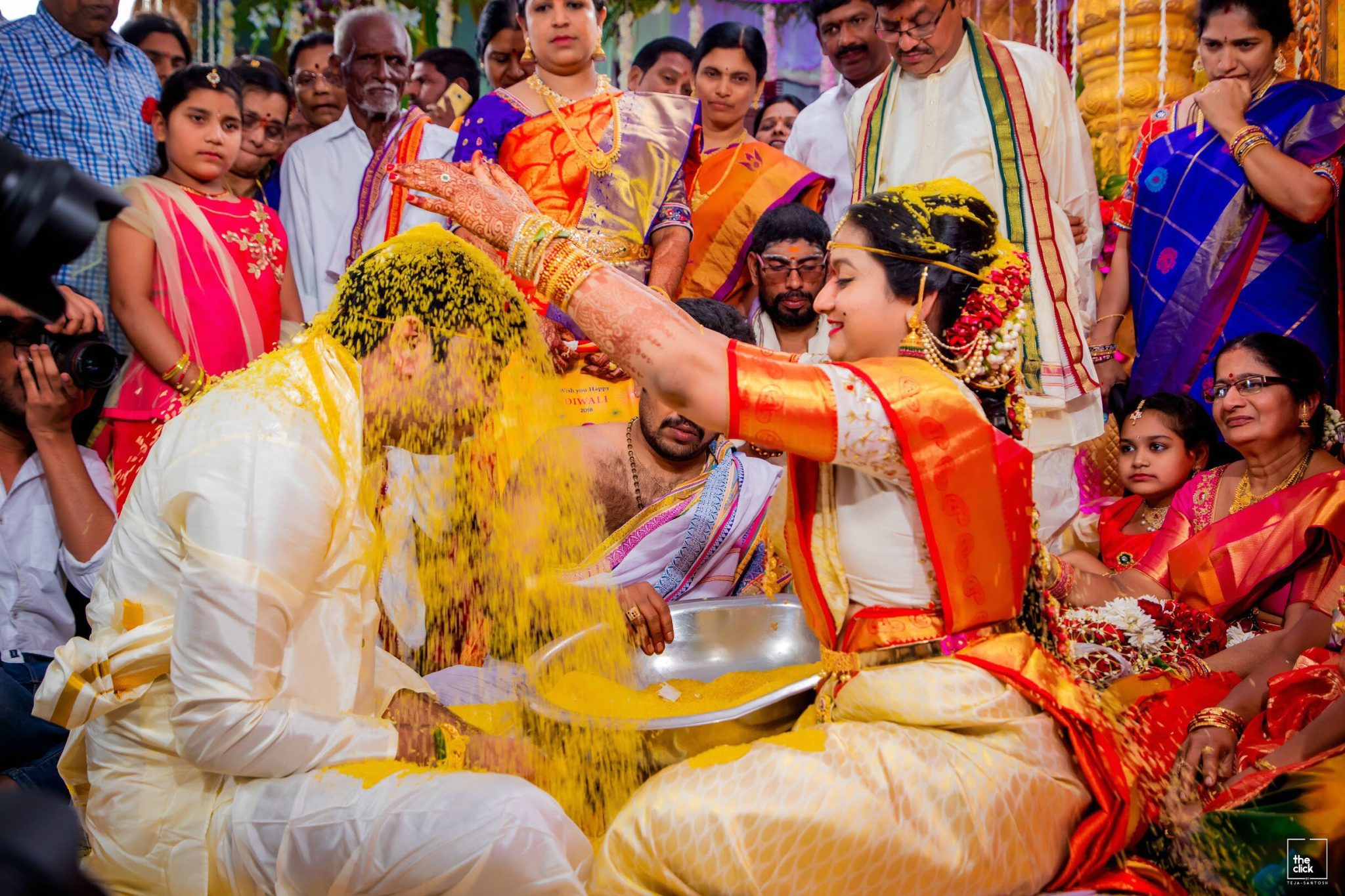
- Ceremony Familiarization: Discuss the ceremony order with family elders or the family priest (Siddhanti or Pandit). Review specific cultural milestones—such as the Telugu Jeelakarra Bellam application, the Kanyadaan, or North Indian Jaimala exchange—so you understand what is expected at each stage.
- Stage Presence and Posture: Keep your movements deliberate and relaxed. Avoid slouching while seated on the mandap stage, as high-definition cameras capture angles from multiple sides.
- Baraat Coordination: If your celebration includes a Baraat procession, coordinate entry timing with your event planners or venue team. Keep the procession moving at a steady pace so it arrives at the venue entrance on schedule without exhausting elderly guests.
4. Logistics, Transportation, and Groomsmen Delegation
Managing a wedding requires clear coordination across vendor teams, guest transport, and venue logistics.
- Build Your Core Support Team: Select 3 to 4 reliable friends or relatives to serve as your primary coordination team. Assign distinct responsibilities to each person—such as managing guest hotel check-ins, coordinating valet flow, or overseeing vendor meals.
- Vendor Balance Management: Distribute cash or pre-filled digital payment reminders in labeled envelopes to your chief groomsman the day before. Never manage payments or sign receipts yourself while getting ready or during ceremonies.
- Out-of-Town Guest Support: Ensure out-of-town guests receive clear venue locations, schedule cards, and transport contact details via a dedicated messaging group well before they land or arrive at the station.
5. Day-Of Emergency Preparedness
Being prepared for small wardrobe or grooming issues ensures your day runs smoothly without minor interruptions.
- Assemble a Groom Emergency Kit: Keep a compact bag with essential touch-up and repair tools nearby throughout the event.
- Assign a Groom’s Assistant: Designate one groomsman to hold your phone, keep you hydrated, manage emergency items, and track the schedule during photo shoots.
How to Prepare a Groom Step-by-Step
Follow this straightforward 6-step timeline to keep your wedding preparations organized and stress-free.
[Month 6-3: Fitness & Sourcing] ──> [Month 3-2: Fittings & Shoes] ──> [Month 1: Grooming & Delegation] ──> [Week 2-0: Packing & Rest]
Step 1: Establish Your Wardrobe Budget and Order Primary Outfits
- Identify every ceremony that requires a distinct outfit (Pellikoduku, Mehendi, Sangeet, Baraat, Muhurtham, Reception).
- Visit established ateliers or tailors 3 to 4 months in advance. Bring color swatches or fabric references if you plan to coordinate with the bride’s attire.
Step 2: Establish a Skincare and Hair Care Routine
- Start a daily skincare routine consisting of a gentle cleanser, light moisturizer, and sunscreen.
- Schedule monthly hydrating facials or beard treatments with a trusted groomer, avoiding aggressive skin procedures right before the event.
Step 3: Purchase Footwear and Accessories Early
- Buy your footwear (juttis, mojris, or formal leather shoes) at least 2 months ahead.
- Select matching accessories—including cuff links, safa brooches (kalgi), pocket squares, stoles (dupattas), and neckpieces—and store them together with their corresponding outfits.
Step 4: Schedule Final Fittings and Break In Footwear
- Attend your final outfit fitting 15 days before the wedding date. Wear your actual wedding innerwear and shoes to verify hem lengths, waist comfort, and shoulder fit.
- Wear your wedding shoes indoors for 15 to 20 minutes a day over a 3-week period to break in the leather.
Step 5: Delegate Logistical Tasks to Your Support Team
- Hand over vendor contact lists, payment envelopes, and venue schedules to your designated groomsmen 5 to 7 days before the main functions begin.
- Create a dedicated communication group for transport coordinators to handle airport pickups and hotel transfers efficiently.
Step 6: Pack Your Trousseau and Day-Of Emergency Kit
- Pack each outfit into a breathable, labeled garment bag along with its matching accessories, innerwear, and shoes 3 days before the festivities start.
- Assemble your emergency kit with safety pins, collar stays, mints, and touch-up items, entrusting it to your chief groomsman.
4 Common Myths About Groom Preparation
Myth 1: “Men don’t need skin preparation or makeup for photos.”
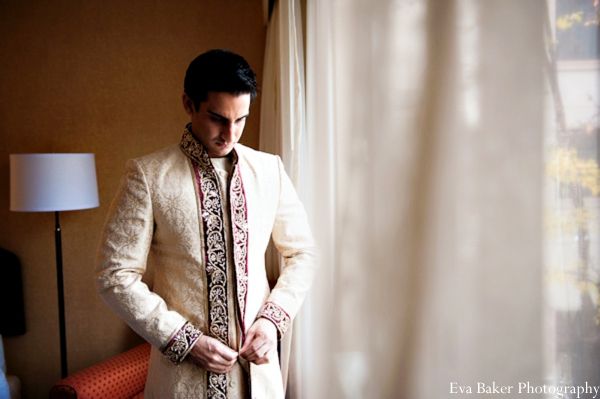
Fact: Professional high-definition camera lenses and bright venue lighting can emphasize skin shine, uneven tone, or dark under-eye circles. Subtle grooming—including skin hydration, anti-shine translucent powder, and light concealers applied by a professional artist—ensures a clean, natural appearance without looking artificial.
Myth 2: “I can buy a suit or sherwani off the rack two weeks before the wedding.”
Fact: Off-the-rack garments rarely fit perfectly across the shoulders, chest, and sleeve lengths without adjustments. Custom alterations, armhole adjustments, and pant hem adjustments take time, especially during peak wedding seasons when tailors face heavy backlogs.
Myth 3: “A haircut on the morning of the wedding keeps the groom looking sharpest.”
Fact: Freshly cut hair often looks stiff and exposes pale skin along the hairline that hasn’t been exposed to sunlight. Getting your haircut 5 to 7 days before the first ceremony lets the edges settle naturally while keeping the overall shape clean.
Myth 4: “The groom should manage event logistics personally on the wedding day.”
Fact: Attempting to manage vendor calls, track guest arrivals, or handle payments on your wedding day causes unnecessary stress and distracts from the experience. Delegating these tasks to a trusted coordination team allows you to stay relaxed and present throughout the event.
Real-World Groom Preparation Scenarios
Scenario 1: Navigating a Tight Sangeet-to-Muhurtham Transition in Hyderabad
- The Context: A groom celebrating an evening Sangeet at a convention center in Gachibowli had to prepare for an early morning 5:00 AM Muhurtham ceremony in Secunderabad, leaving less than three hours for sleep, travel, and outfit changes.
- The Preparation Solution: The groom pre-packed two separate garment bags days in advance. Garment Bag A contained his bandhgala, shoes, and accessories for the Sangeet. Garment Bag B contained his silk dhoti, stole, kanduva, and traditional gold accessories for the morning ritual. His assigned groomsman transported Bag B directly to the venue changing suite ahead of time.
- Outcome: The groom transitioned between venues in under 20 minutes without missing an outfit piece or delaying the morning rituals.
Scenario 2: Managing Heavy Sherwani Wear During a Summer Baraat
- The Context: A groom wearing a heavily embroidered silk sherwani faced an outdoor summer Baraat procession in warm afternoon weather.
- The Preparation Solution: During his tailoring phase, he requested a light, breathable sweat-wicking lining inside the sherwani coat. He also wore a thin, moisture-wicking bamboo-cotton undershirt and carried a groom emergency kit stocked with cooling face wipes and blotting sheets managed by his chief groomsman.
- Outcome: The groom stayed comfortable throughout the procession, keeping his attire dry and crisp for the stage photos.
What to Look for When Finalizing Your Preparations
As your wedding date approaches, run through this practical checklist to ensure every detail is covered:
- Verify Garment Comfort While Seated: When testing your sherwani, bandhgala, or trousers during your final fitting, sit down on a chair and cross your legs. Ensure the waist does not pinch, the chest buttons do not strain, and the trousers sit at an appropriate length.
- Confirm Barber and Stylist Schedules: Lock in exact arrival times for your hair stylist and groom artist. Schedule them to finish at least 60 minutes before your formal pre-ceremony portraits begin.
- Set Up a Garment Organization System: Label every garment bag clearly with the name of the corresponding function (Pellikoduku, Sangeet, Muhurtham, Reception). Store matching shoes, socks, cuff links, and pocket squares inside the pocket of each corresponding garment bag.
- Prioritize Hydration and Nutrition: Request that your groomsmen keep water bottles with straws and quick, non-greasy snacks (such as almonds or energy bars) accessible while you are getting ready and between photo sessions.
Frequently Asked Questions
How far in advance should a groom buy his wedding outfits in Hyderabad?
A groom should start sourcing his wedding wardrobe 3 to 4 months in advance. Custom sherwanis, bandhgalas, or traditional silk dhotis from bespoke ateliers in Banjara Hills or Jubilee Hills typically require 4 to 6 weeks for tailoring and two rounds of alteration fittings.
What should be included in a groom’s pre-wedding skincare routine?
A groom’s skincare routine should start 3 to 6 months before the wedding and include a gentle daily cleanser, non-greasy moisturizer, broad-spectrum SPF 50 sunscreen, and monthly hydrating facials. Avoid aggressive chemical peels or new facial products within 3 weeks of the wedding.
How much does groom makeup and hair styling cost in Hyderabad?
Professional groom styling, light HD skin correction, beard sculpting, and hair setting in Hyderabad generally range from ₹8,000 to ₹25,000 per main event, depending on whether the artist provides on-location services at the venue or hotel.
What is the difference between a Sherwani, Achkan, and Bandhgala?
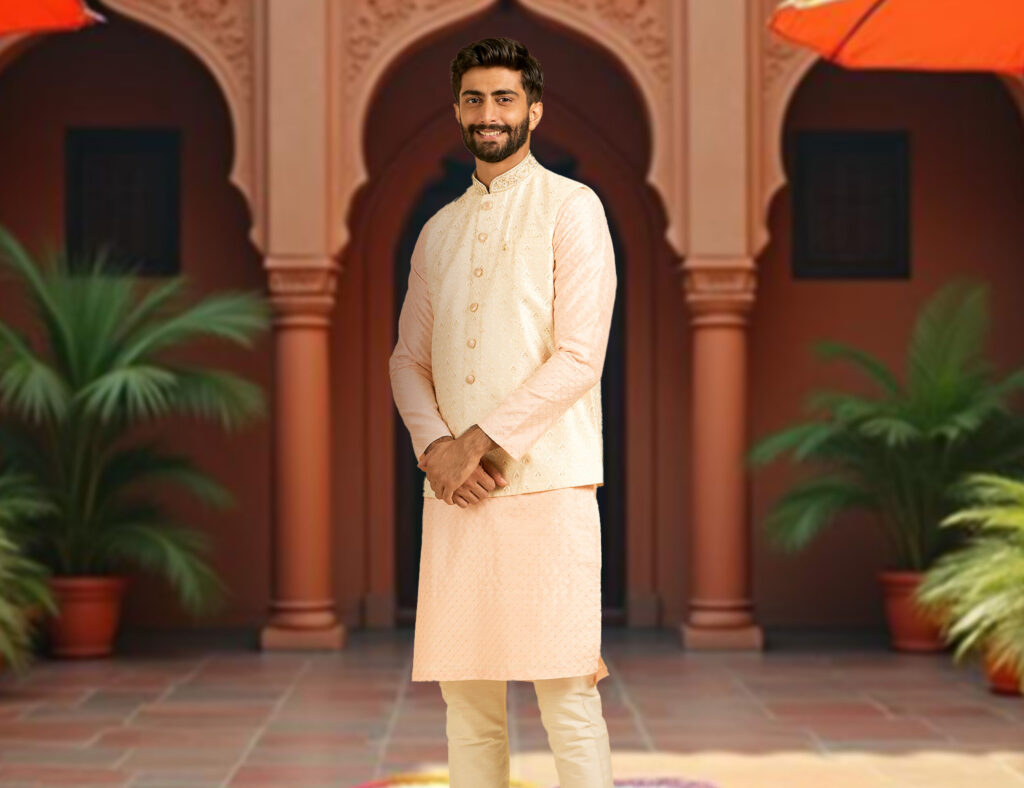
A Sherwani is a long, structured coat buttoned to the neck that extends past the knees and is usually worn with a safa for grand ceremonies. An Achkan is lighter, shorter, and closer-fitting than a sherwani. A Bandhgala is a formal Indian suit jacket that ends at the hip, typically worn for receptions or sangeet nights.
How can a groom avoid fatigue during multi-day Indian wedding ceremonies?
Grooms can avoid fatigue by staying hydrated with coconut water or electrolytes, eating protein-rich meals before long rituals, breaking in footwear 3 weeks before the event, and assigning all logistical emergencies to groomsmen rather than managing them directly.
What essentials belong in a groom’s wedding day emergency kit?
A groom’s emergency kit should contain shirt collar stays, safety pins, double-sided fabric tape, extra cufflink backs, stain remover pen, pain relievers, anti-sweat face wipes, breath mints, and a compact shoe shine sponge.
When should the groom get his final haircut before the wedding?
The groom should schedule his final haircut 5 to 7 days before the first major function. This allows the hair to settle into a natural shape while maintaining clean edges around the neck and sideburns.
What role does the groom play in wedding venue logistics in South India?
In South Indian weddings, the groom’s family often oversees specific events like the Baraat, Reception, or groom-side hospitality. The groom typically coordinates Baraat timing, valet services, out-of-town guest accommodations, and final vendor payments.
Preparing for your wedding day requires a balance of thoughtful styling, organized logistics, and clear delegation. By breaking down your wardrobe sourcing, grooming timeline, ritual steps, and support team roles into clear monthly milestones, you can eliminate last-minute confusion. Armed with this understanding, you are well positioned to approach your wedding celebrations with confidence, style, and ease.

Leave a Comment