
Table of Contents
What Is the Future of Event Management? The 2026 Strategic Blueprint
The global events landscape is undergoing its most profound transformation in decades. Driven by rapid technological integration, heightened expectations for personalized experiences, and urgent demands for environmental sustainability, planners are navigating a fundamentally restructured industry. Understanding what is the future of event management is no longer just an academic exercise—it is an operational necessity for event coordinators, corporate organizers, venue managers, and private hosts alike.
From AI-driven logistics engines and spatial computing to closed-loop sustainability models and immersive stage design, the upcoming era shifts event planning from reactive coordination to predictive strategy. Whether you are orchestrating a multi-day corporate summit, an experiential brand activation, or a luxury social celebration, adapting to these core structural changes ensures your events remain relevant, impactful, and financially sustainable.

What Is the Future of Event Management?
The future of event management is an intelligent, data-driven, and highly sustainable paradigm where event strategists leverage predictive AI analytics, immersive spatial technology, and eco-friendly production methods to create deeply personalized, multi-sensory experiences across physical, hybrid, and digital venues.
Why Understanding Event Management Evolution Matters
As live experiences grow more complex and resource-intensive, traditional planning methodologies are reaching their limits. Staying ahead of industry shifts provides three clear strategic advantages:
- Predictive Operational Efficiency: AI-powered logistical engines automate manual tasks like scheduling, seating arrangements, and inventory tracking, allowing organizers to focus on strategic experience design.
- Elevated Attendee Engagement: Modern audiences expect interactive, hyper-personalized experiences tailored to their preferences rather than static, passive presentations.
- Environmental & Regulatory Compliance: Venues and municipalities increasingly enforce strict waste management, energy consumption, and noise regulations. Adopting sustainable practices safeguards events against compliance delays and financial penalties.
How Future Event Management Works: A 6-Step Framework
Executing successful next-generation events requires a modern workflow that integrates digital planning tools with real-world execution.
┌─────────────────────────────────────────────────────────────┐
│             NEXT-GEN EVENT EXECUTION FRAMEWORK              │
├─────────────────────────────────────────────────────────────┤
│ 1. Predictive Data Modeling & Attendee Profiling             │
│ 2. Spatial Digital Twin Simulation & Virtual CAD Design      │
│ 3. Automated Sourcing & Supply Chain Alignment              │
│ 4. Immersive Tech Integration & Multi-Sensory Production    │
│ 5. Real-Time On-Site Analytics & IoT Crowd Monitoring       │
│ 6. Closed-Loop Post-Event Reporting & Impact Auditing       │
└─────────────────────────────────────────────────────────────┘
1.Predictive Data Modeling & Profiling:Step 1.
Organizers analyze historical event data, registrant behavior, and preference profiles to forecast attendance rates, session interest, and dietary requirements before finalizing resource allocations.
2.Spatial Digital Twin Simulation:Step 2.
Planners build 3D digital twins of physical venues to test spatial flow, acoustic properties, emergency egress, sightlines, and lighting configurations in a virtual environment before physical construction begins.
3.Automated Sourcing & Procurement:Step 3.
AI-driven vendor portals match event parameters with vetted local suppliers, balancing cost, carbon footprint, and delivery timelines while automatically flagging contract risk factors.
4.Immersive Multi-Sensory Production:Step 4.
Event producers integrate projection mapping, dynamic LED setups, spatial audio, and interactive AR elements into physical stage builds to elevate visual story-telling.
5.Real-Time On-Site IoT Analytics:Step 5.
On-site teams monitor crowd density, heat maps, queue times, and catering consumption in real time using IoT sensors and smart badges to reallocate staff dynamically.
6.Closed-Loop Impact Auditing:Step 6.
Post-event software consolidates engagement analytics, financial performance, and carbon emission data to deliver transparent compliance and ROI reports for stakeholders.

Key Pillars Reshaping the Event Industry
The evolution of event production centers around four major structural pillars. The comparison table below outlines how traditional methods contrast with emerging future practices.
| Focus Area | Traditional Event Management | The Future of Event Management |
| Operational Logistics | Manual spreadsheets, static PDF run-sheets, reactive problem-solving on site. | AI-driven workflow engines, dynamic cloud timelines, predictive risk modeling. |
| Sustainability & Waste | High single-use plastic consumption, heavy printed collateral, unmeasured floral/food waste. | Zero-waste certifications, digital-first signage, potted/upcycled flora, local supply loops. |
| Venue & Stage Design | Flat stage backdrops, static banner installations, basic ambient LED cans. | Spatial projection mapping, interactive LED walls, modular eco-fabrication, 3D audio. |
| Attendee Personalization | Uniform schedules, generic physical registration desks, static seating plans. | Smart RFID/NFC badges, personalized AI-suggested agendas, dynamic crowd management. |
Strategic Value & Real-World Innovations
Adopting modern event management strategies produces measurable operational and financial benefits for event organizers:
1. Spatial Computing and Virtual Venue Audits
Virtual reality (VR) and spatial computing allow event coordinators and clients to walk through venue floor plans remotely. By visualizing stage heights, table spacing, and entry arches in accurate 3D scale, planners catch spatial bottlenecks long before fabrication starts on site.
2. Sustainable Decor and Circular Material Use
The future of event design prioritizes circular production practices. Leading decorators are replacing single-use styrofoam and non-recyclable plastics with modular aluminum trusses, rented fabric drapes, living plant installations, and energy-efficient LED fixtures.
3. Hyper-Personalized Attendee Journeys
Using smart registration ecosystems, organizers can deliver customized agendas, targeted networking matches, and personalized digital takeaways directly to attendees’ smartphones, boosting overall satisfaction and retention rates.
Common Misconceptions About Future Event Trends
Myth 1: “Artificial Intelligence Will Replace Human Event Planners.”
Rebuttal: AI excels at data analysis, scheduling, and logistics automation, but it lacks empathy, negotiation instincts, creative intuition, and crisis resolution skills during live events. Human strategists remain central to experience design.
Myth 2: “Virtual and Hybrid Events Will Eliminate Physical Gatherings.”
Rebuttal: Hybrid technology expands reach, but physical, face-to-face connection remains irreplaceable for building trust, emotional connection, and brand loyalty. Digital tools enhance physical events rather than replace them.
Myth 3: “Sustainable Event Management Is Too Cost-Prohibitive.”
Rebuttal: While eco-friendly materials may have higher upfront costs, sustainable practices—such as digital signage, reduced shipping, energy-efficient LED setups, and localized sourcing—frequently reduce total transport and utility expenses.
Practical Scenarios: Future Management in Action
Scenario A: The AI-Powered Corporate Tech Summit
- The Challenge: Managing registration, personalized session routing, and dietary logistics for a 1,500-attendee corporate summit across multiple venue halls.
- The Solution: The planning team deploys smart NFC badges linked to an AI event assistant. Attendees receive real-time notifications about session availability, dynamic seating cues, and dietary-specific catering stations, while organizers monitor venue heat maps to relieve crowd congestion.
Scenario B: The Zero-Waste Heritage Celebration
- The Challenge: Hosting a 600-guest luxury wedding celebration at a heritage property with strict municipal waste and noise restrictions.
- The Solution: The event coordinator implements a circular decor strategy utilizing rented brass artifacts, potted botanical walls, and local seasonal flowers. Catering waste is diverted to local composting facilities, and directional LED lighting preserves the venue’s architectural integrity without heavy overhead drilling.
How Will Event Management Services Adapt in Hyderabad?
In high-growth event hubs like Hyderabad, rapid venue development and expanding corporate activity are accelerating the adoption of modern planning methodologies.
| Event Category | Traditional Hyderabad Setup | Modern Next-Gen Execution Model |
| Large-Scale Weddings (Moinabad / Shamshabad) | High single-use plastic decor, massive manual labor setups, unmonitored floral waste. | Hybrid silk-fresh floral production, modular lighting rigs, digital guest check-in systems. |
| Corporate Summits (Gachibowli / Hitec City) | Printed badge distribution, static venue signage, manual session headcounts. | RFID badge tracking, dynamic digital signage, AI networking matchmaking apps. |
| Intimate Social Functions (Jubilee Hills / Banjara Hills) | Standard banquet hall setups, generic audio-visual equipment. | Projection-mapped interiors, acoustic spatial tuning, curated eco-stylist decor. |
Frequently Asked Questions
What should I look for when hiring an event planner for modern events?
Look for an event manager who demonstrates technical competence in spatial planning tools, maintains transparent budget structures, uses digital project management systems, and has a strong network of reliable local suppliers and technical specialists.
How is AI currently being used in event management?
AI is primarily used for automated registration, attendee chat support, dynamic scheduling, personalized agenda building, predictive budget forecasting, and analyzing post-event feedback trends.
What are the most important elements of sustainable event planning?
Core sustainability elements include eliminating single-use plastics, using digital alternatives to printed materials, sourcing local and seasonal foods, adopting energy-efficient LED lighting, and using reusable or modular decor materials.
How can small event planning businesses adopt new technology on a budget?
Small planning agencies can start by adopting cloud-based project management applications, utilizing digital floor-plan software, transitioning from paper to digital registration systems, and leveraging social media analytics to track attendee engagement.
Will hybrid event models continue to be relevant in the coming years?
Yes, hybrid models remain valuable for global summits and corporate events, allowing organizers to extend their audience reach internationally while maintaining an impactful, high-value physical experience for local attendees.
How is event lighting and production tech evolving?
Event production is moving away from high-wattage halogen fixtures toward energy-efficient, controllable LED setups, dynamic projection mapping, spatial audio systems, and interactive digital backdrops that adapt in real time to event cues.
What soft skills will future event managers need most?
Critical soft skills include emotional intelligence, strategic problem-solving under pressure, clear cross-cultural communication, creative direction, and the ability to lead diverse teams through complex live productions.
How do modern planners manage unexpected on-site disruptions?
Modern organizers combine experienced on-site leads with real-time data tools—such as digital communication networks, cloud timeline tracking, and clear operational backup plans—to manage issues before they affect guest experience.
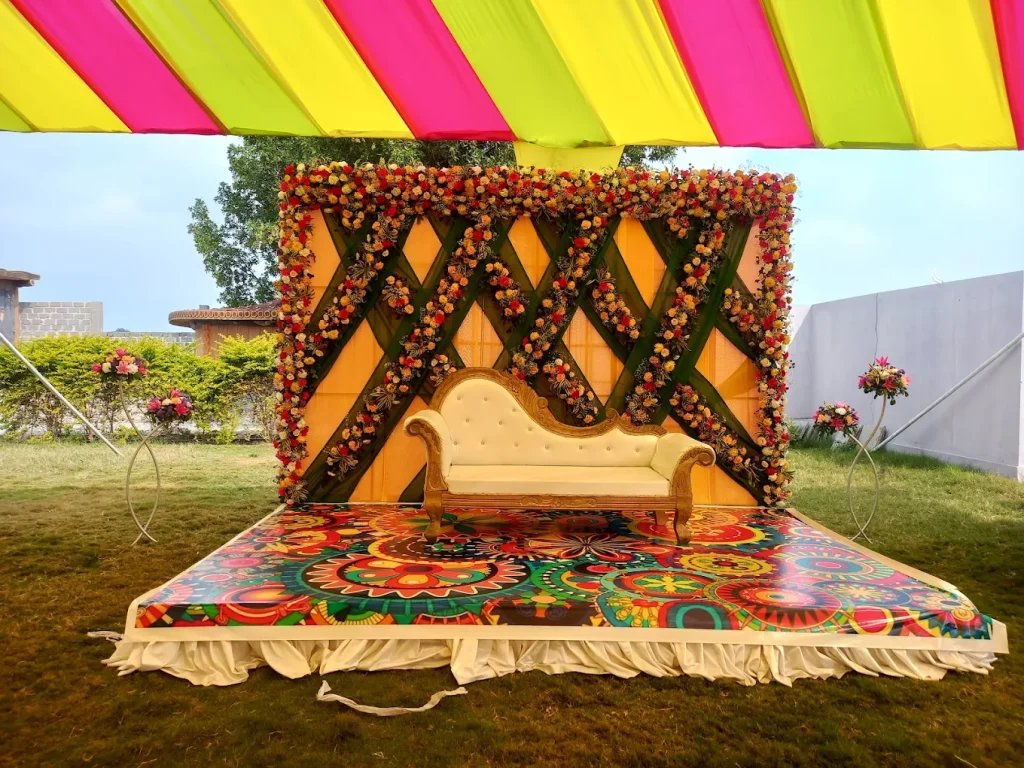
Build Your Next Event with Strategy and Vision
Adapting to the future of event management requires balancing emerging technology with human creativity, operational safety, and sustainable execution. Organizers who embrace these core principles will consistently deliver higher ROI and memorable experiences for their attendees.
At Prashasta Events, we combine strategic project planning, modern production design, and structured execution to bring complex events to life. Whether you are hosting a multi-day summit or an intimate family celebration, our team ensures your vision is delivered with precision.
Ready to elevate your next event with modern planning strategies? Explore our services or book a consultation with our strategy team today.





Leave a Comment