

Table of Contents
What Are the Latest Trends in Event Planning: The Corporate and Social Production Playbook
The global landscape for organizing major corporate conferences, elegant weddings, and public exhibitions is undergoing an unprecedented structural transformation. Traditional, linear event timelines and cookie-cutter formats no longer satisfy sophisticated, tech-savvy audiences who prioritize personalization, real-time interactivity, and environmental responsibility.
Understanding what are the latest trends in event planning allows coordinators, corporate stakeholders, and couples to move past basic logistics and embrace experiential engineering. By adopting these emerging shifts, modern professionals can deliver highly secure, engaging, and unforgettable gatherings that align perfectly with the cultural and technological expectations of 2026.
What Is Modern Event Planning?
What are the latest trends in event planning?
The latest trends in event planning focus on integrating generative AI for personalized attendee journeys, adopting strict zero-waste sustainable logistics, deploying immersive spatial designs like projection mapping, and shifting toward asynchronous, interactive content formats. These elements work together to maximize audience engagement and optimize measurable return on investment (ROI).
Why Is Keeping Up With Industry Trends Critical?
Staying synchronized with evolving industry standards is no longer just an advantage—it is an operational requirement. Audiences possess limited attention spans and high expectations shaped by daily interactions with advanced digital ecosystems.
Failing to modernize your execution strategies introduces serious risks, such as declining registration numbers, poor audience retention, and out-of-date brand positioning. Conversely, incorporating modern production frameworks protects your brand’s authority, transforms standard gatherings into immersive communities, and drastically lowers overhead costs through smart automation.
Furthermore, forward-thinking event design directly improves data collection capabilities. By building modern feedback loops and digital touchpoints into your floor plans, you gain deep, actionable insights into attendee preferences, behavior patterns, and content performance metrics.
How Modern Event Production Works: A Step-by-Step Blueprint
Transitioning an event from a traditional manual layout into an advanced, modern production requires a structured, data-driven approach. This step-by-step framework outlines how leading design teams safely execute modern gatherings.
1.Algorithmic Data Vetting and Audience Profile Analysis:Phase 1.
Use machine-learning platforms to analyze historical attendee data, social media conversations, and regional industry metrics. This insight helps establish clear preferences before drafting the concept.
2.3D Spatial Engineering and Visual Walkthroughs:Phase 2.
Convert raw venue measurements into immersive 3D digital twins. This allows production teams to test spatial flow, run lighting simulations, and position equipment accurately prior to load-in.
3.Sustainable Supply Chain Vetting:Phase 3.
Audit all external suppliers using strict sustainability metrics. Confirm your partners provide compostable materials, energy-efficient LED systems, and locally sourced catering menus.
4.Deploying Omni-Channel Event Software:Phase 4.
Activate integrated event apps that handle registrations, AI-driven networking recommendations, contactless check-ins, and live interactive polling within a single dashboard.
5.Executing Real-Time Adjustments:Phase 5.
Monitor active attendee footprints during the live event using heat-mapping software. Adjust room temperatures, security team positioning, and food service timelines dynamically.
6.Comprehensive Impact Vetting:Phase 6.
Analyze the gathered digital metrics alongside verified carbon-offset reports to deliver a clear, data-backed assessment of event success and sustainability to stakeholders.
Key Categories Reshaping the Global Event Space
The structural shifts altering how we plan large gatherings can be classified into four primary operational pillars. Each category demands specialized infrastructure and careful strategic oversight.
Modern Production Pillars Compared
The table below breaks down the primary categories of modern event design, outlining their focus areas and typical execution requirements:
| Operational Pillar | Primary Focus Area | Typical Hardware & Software Requirements |
| Generative Tech Integration | Predictive logistics, custom attendee tracks, automated communications. | AI-driven event apps, automated messaging tools, smart matchmaking systems. |
| Experiential Spatial Design | Immersive environments, custom fabrications, multi-sensory themes. | Spatial projection mapping, interactive lighting fixtures, custom architectural staging. |
| Sustainable Logistics | Minimizing carbon footprints, zero-waste food setups, green material tracking. | Solar-powered silent generators, compostable dinnerware, regional supply chain portals. |
| Asynchronous Programming | Non-linear session paths, live audience feedback, modular floor layouts. | Silent-disco audio networks, secondary stage platforms, real-time polling software. |

Strategic Value and Operational Advantages of Modern Formats
Adopting modern event standards provides clear operational benefits that go far beyond surface-level visuals. These strategies fundamentally improve the financial and structural health of your project.
Maximizing Resource Allocation
Automating administrative tasks like badge printing, custom scheduling, and immediate invoice processing reduces manual staffing demands by up to 40%. This allows coordinators to reallocate critical human resources toward high-value areas like speaker management and personalized guest hospitality.
Driving Long-Term Audience Engagement
Moving past passive listening formats ensures your attendees remain active participants throughout the event. Using tech-enabled networking spaces and live interactive elements helps build a strong community around your brand, driving repeat registrations year after year.
Common Misconceptions and Dangerous Industry Myths
As new event technologies and strategies emerge, several common misunderstandings can disrupt project budgets if left uncorrected by experienced strategists.
- The Myth of Sky-High Tech Budgets: Many coordinators assume that deploying AI systems or immersive features requires massive capital. In reality, modern cloud software operates on scalable, per-user pricing models, allowing boutique events to access advanced tools affordably.
- The Misconception of Passive Greenwashing: True sustainability is not just about banning plastic straws; it requires deep logistical auditing. Sustainable success demands careful planning around regional food sourcing, smart HVAC scheduling, and verified waste diversion paths.
- The Myth That In-Person Networking Is Dead: Virtual tools are designed to enhance, not replace, physical human connection. The latest event frameworks use digital matchmaking specifically to drive more valuable, efficient face-to-face interactions on the convention floor.
What Should I Look for When Hiring an Experiential Event Planner?
Vetting modern event management agencies requires looking past standard generic references to carefully evaluate their technical capabilities and strategic adaptability:
- Do you provide comprehensive data security policies for attendee registration databases? Ensure your planning partner follows rigorous data protection standards like GDPR or local privacy acts when managing sensitive corporate information.
- How do your production engineers verify the safety of complex overhead installations? Professional firms work exclusively with certified mechanical riggers and submit stamped structural blueprints before building large scenic elements.
- Can you share a detailed case study demonstrating measurable waste diversion? Top-tier planners should provide real, uninflated metrics showing how they successfully diverted landfill waste at previous large-scale functions.
- What backup systems do you put in place for high-density venue Wi-Fi networks? A prepared agency collaborates with onsite IT teams to deploy secondary dedicated cellular links, guaranteeing uninterrupted software performance.
Practical Implementation: Real-World Event Scenarios
To see how these planning shifts operate in the field, let us examine how professional production teams implement modern trends across different event environments.
Scenario A: The Modern Tech Conference
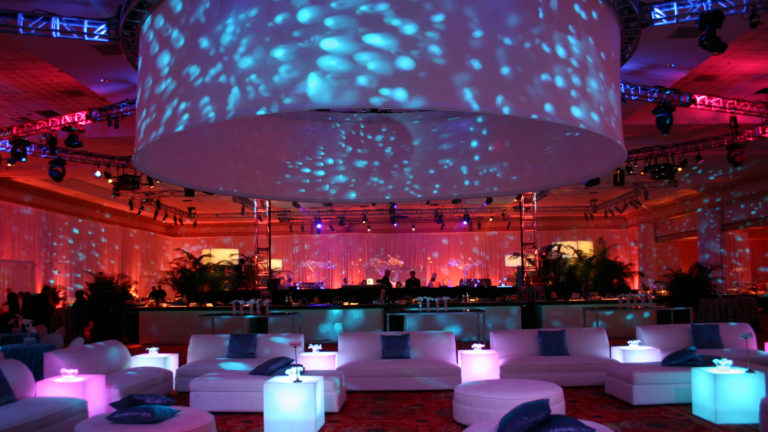
At a major annual product summit, coordinators replaced traditional seating with modular, circular lounge hubs. Attendees used the event app’s AI engine to discover nearby peers with matching business needs, while spatial projection mapping transformed raw walls into reactive product demos.
Scenario B: The Zero-Waste Luxury Wedding
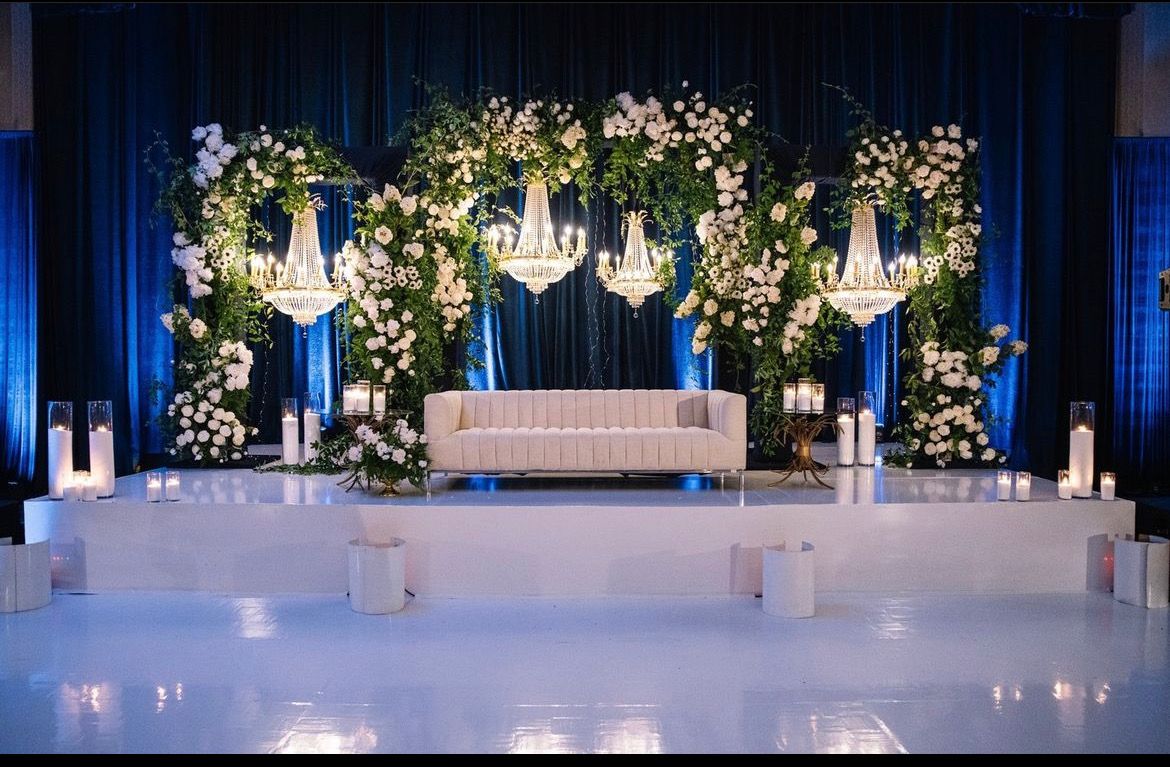
An eco-conscious couple hosted a high-end celebration using a completely local supply chain. The design team built the main stage from recycled, hand-carved wood accented by living potted plants that guests took home, while local caterers ran a certified zero-waste menu that donated surplus ingredients to local food banks.
Scenario C: The Interactive Corporate Exhibition
A B2B trade show deployed silent-audio headsets, allowing three separate product pitches to occur simultaneously in the same open hall without acoustic crossover. Attendees provided real-time feedback via interactive touchscreen stations, giving exhibitors instant data on product interest.
Frequently Asked Questions
What should I look for when hiring an experiential event planning agency?
Prioritize agencies that demonstrate deep technical expertise, robust data security protocols, and direct relationships with primary production suppliers. They should provide transparent, itemized budgets and offer custom 3D spatial models rather than generic template solutions.
How does generative AI actually help optimize onsite event logistics?
AI engines analyze real-time registration changes, historical traffic patterns, and food service data to predict exactly when and where bottlenecks will occur. This allows floor managers to adjust security staffing, open extra catering lanes, and balance venue crowds dynamically.
What are the real cost benefits of switching to a sustainable event format?
While eco-friendly choices can sometimes carry upfront premiums, they significantly lower overall expenses by eliminating single-use materials, reducing total food waste, and shrinking heavy transport shipping costs through localized sourcing.
How can small boutique events use immersive trends without a huge budget?
Boutique events can drive high immersion by focusing on smart, affordable design interventions. Use creative LED lighting scenes instead of massive custom fabrication, and leverage free, interactive mobile platforms to keep your audience engaged.
Who handles the local municipal permits for large-scale outdoor projection mapping?
Your dedicated event production agency manages this administrative process entirely. They submit the necessary safety documentation to local civic authorities, secure proper electrical permits, and ensure full compliance with regional structural and lighting regulations.
What is the ideal timeline to begin building custom interactive event apps?
For complex corporate conferences, software development and testing should begin at least 3 to 4 months prior to launch. This allows ample time to clean database structures, test custom AI algorithms, and execute rigorous beta runs before opening registration.
Engineering the Future of Your Events
Transforming a standard gathering into a deeply engaging, modern experience requires a sophisticated blend of creative design, structural safety, and smooth tech integration. Partnering with a dedicated corporate production firm allows your stakeholders to focus on their core messages, confident that every logistical detail is managed by industry experts.
Reach out to the enterprise production division at Prashasta Events to translate your next high-profile event vision into a beautifully executed reality.





Leave a Comment