

Table of Contents
What Are the Duties of an Event Manager?
Staging a successful live gathering requires balancing creative production with strict operational logistics. For corporate organizations, private hosts, and planning coordinators, executing a seamless gathering requires clear operational frameworks. When assessing internal project resources or looking for an external execution partner, one fundamental question shapes your success: what are the duties of an event manager?
An experienced strategist handles much more than just onsite decor selection and greeting guests. Professional managers act as chief operating officers for temporary projects, supervising complex timelines, handling multi-tier budgets, and coordinating large supplier teams under tight timelines. From managing strict technical builds to filing municipal permits, their daily workflow determines whether your event runs safely and successfully. This guide covers the critical responsibilities of professional management teams, detailing the concrete processes that turn abstract event plans into flawless execution.

What is an Event Manager?
What should I look for when hiring an event manager?
Why Is the Event Manager Role Critical to Project Success?
Leaving large public or corporate gatherings to untrained coordinators introduces major financial, legal, and operational risks. A certified strategist provides essential protection for your project, transforming a complex puzzle of independent variables into a secure, predictable framework.
- Risk Mitigation: Professional managers design technical redundancy plans, run fire safety checks, and secure essential municipal permits before your doors open.
- Budget Integrity: Itemized line-item tracking prevents costly scope creep, controls vendor expense inflation, and tracks every transaction transparently.
- Brand Authority: For corporate summits, the technical flow and smooth scheduling directly mirror your firm’s professional standards.
- Logistical Clarity: Standardizing communications across multiple independent supplier networks prevents costly miscommunications on-site.
How the Event Management Process Works: Step-by-Step
Transforming a raw event concept into a fully realized live project requires following a strict, phase-based planning timeline.
1.Strategic Scope Analysis and Financial Budget Drafting:Phase 1: Conceptual Architecture.
Establish the core operational goals of your event, research local venue options, and draft an itemized master budget framework to keep expenses balanced.
2.Spatial CAD Floorplan Design and Structural Modeling:Phase 2: Space Engineering.
Draft accurate, scale CAD layouts of the venue to chart safe crowd movement, design main stage parameters, and plan emergency exit pathways.
3.Contract Negotiation and Municipal Permitting Clearance:Phase 3: Administrative Filing.
Secure binding service agreements with certified technical vendors and submit required applications to municipal authorities like the police and fire boards.
4.Onsite Production Supervision, System Checks, and Event Execution:Phase 4: Live Realization.
Oversee the venue load-in phase, manage full audio-visual checks on backup power grids, and run the live master schedule from start to finish.
Technical Segments: Core Varieties of Event Management
Different types of public gatherings require specific logistical expertise. Professional managers adapt their operational strategies to match the unique constraints of each sector:
Corporate Conferences and Enterprise Symposiums
Corporate assignments prioritize precise scheduling, smooth data tracking, and clear technical production. Managers coordinate high-speed digital check-in counters, manage live video streaming lines, and set up multi-mic presentation systems to ensure seamless delivery for business delegates.
Cultural Milestones and Luxury Social Galas
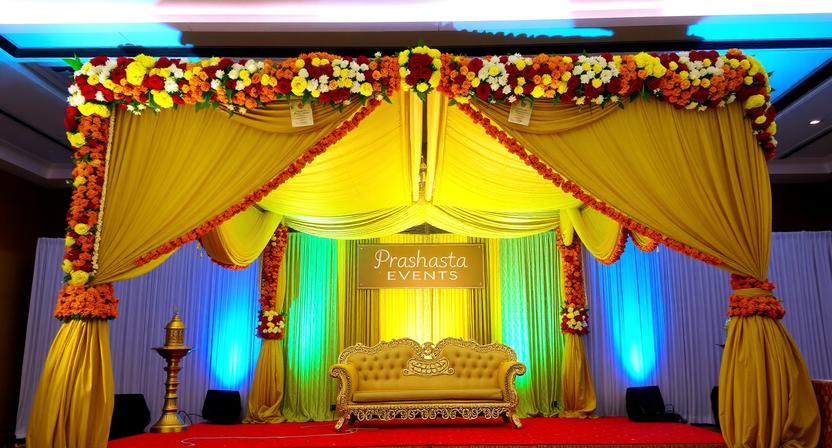
Social gatherings require highly detailed visual design, custom staging, and complex hospitality management. Planners handle delicate floral installations, build custom theme structures, and coordinate premium catering schedules across multi-day celebration timelines.
Strategic Value: Core Categories of Manager Responsibilities
To fully answer what are the duties of an event manager, we must break down their daily responsibilities into four distinct core operational pillars:
1. Financial Governance and Resource Tracking
Managers control your budget with strict discipline. They review every vendor quote line-by-line, eliminate duplicate labor charges, and maintain an open-book pricing sheet that clearly separates actual material costs from agency fees.
2. Technical Production and AV Integration
Management leads coordinate with specialized technicians to plan speaker layouts, manage LED video wall power draws, and build load-tested aluminum support trusses. They also ensure the venue has stable backup generator systems ready to deploy instantly.
3. Regulatory Compliance and Safety Administration
Organizers handle all necessary legal paperwork, including municipal zoning notifications, police sound permits, and copyright licensing documentation. This ensures your event proceeds smoothly without risk of sudden closure by city inspectors.
4. Onsite Crowd Logistics and Hospitality Direction
On the day of the event, the coordinator directs the flow of people and traffic. They set up organized registration areas, build clear directional signage paths, and manage valet parking networks to keep arrival simple and efficient.

Comprehensive Scope and Operational Responsibility Matrix
| Operational Pillar | Core Duty & Deliverable | Key Performance Metric | Common Failure Risk |
| Financial Control | Itemized budget tracking, open-book cost sheets, vendor audits. | Zero cost inflation past the approved budget. | Unapproved venue upcharges and hidden labor fees. |
| Space Architecture | Scale CAD mapping, crowd engineering design, exit routing. | Free-flowing movement at all entry gates. | Venue bottlenecks and blocked emergency exits. |
| Technical Directing | Audio-visual setups, load-tested trusses, backup generator grids. | Complete system operation with zero audio drops. | System power failure during major presentations. |
| Legal Compliance | Police sound permissions, fire boards, copyright licenses. | Full approval paperwork signed 7 days prior. | Sudden event closures and municipal fines. |
Common Management Mistakes and Operational Myths
Even experienced project leads can fall victim to common misunderstandings about professional event execution. Let’s clarify these frequent misconceptions:
- The Myth of the All-Inclusive Bundle: Many clients assume that choosing a flat-fee all-inclusive package simplifies planning. In reality, these package structures often hide high vendor markups and make it difficult to adjust individual service line items.
- Confusing Decor Design with Logistics Management: Beautiful styling plans cannot save a project if the venue lacks enough power drops or has poor acoustic planning. True management prioritizes structural safety and technical capability over simple cosmetic styling.
- The Risk of Casual Agreements: Relying on verbal confirmations or casual text updates with suppliers frequently leads to misunderstandings. Professional coordinators ensure every change is tracked via written addendums to keep everyone aligned.
Practical Examples: Real-World Management Scenarios
To see how these professional principles work in practice, let’s look at two standard live production challenges:
Scenario A: Managing Sudden Weather Shifts at an Outdoor Tech Venue
- The Situation: A major sudden rainstorm threatens a large outdoor business networking venue.
- The Solution: An experienced manager has a rain safety plan ready. They pre-book heavy-duty, waterproof clear tents and install raised flooring platforms to protect technical wiring and guest seating, keeping the event running smoothly despite the storm.
Scenario B: Resolving Stage Space Conflicts Between Vendor Teams
- The Situation: The incoming scenic design team builds a large wooden set that blocks the key rigging points needed by the audio-visual team.
- The Solution: The manager steps in with the master CAD floorplans, adjust the stage layout measurements, and restructures the load-in timeline so the teams can build their setups safely without interference.
Frequently Asked Questions
What is the difference between an event planner and an event manager?
An event planner focuses primarily on the early creative design, theme creation, and initial vendor selection phases. An event manager takes charge of the technical production, logistics execution, safety compliance, and live on-site direction during the actual event day.
How do event managers calculate required generator capacity for LED walls?
Technical directors calculate the total peak wattage draw of all connected LED panels, main audio arrays, and lighting fixtures. They then source a backup generator rated at least thirty percent above that combined peak to prevent system overloads.
Who is legally responsible for securing public event licenses and permits?
The client covers the hard cost of all state permits and municipal licenses. The event manager handles the preparation, files the technical documentation, and coordinates directly with local authorities like the police and fire boards.
Can an event manager help cut down overall vendor production costs?
Yes, experienced managers use their long-term trade networks to secure competitive pricing, eliminate hidden vendor markups, and structure efficient crew shifts to avoid costly overtime fees.
How do management teams prevent long queues at guest check-in?
Planners set up multiple high-speed barcode scanning tables, create separate pre-printed badge pickup windows, and position trained greeters ahead of the main desks to guide arriving crowds efficiently.
What happens if a contracted entertainment act drops out last minute?
Professional managers maintain a vetted database of backup performers and entertainment options. Their contracts include clear performance clauses that allow them to secure high-quality replacements quickly if an emergency occurs.
Why do custom stage designs require certified engineering sign-offs?
Standard venue permits cover only the permanent building itself. If your layout adds massive custom-built wooden sets or heavy overhead lighting rigs, a certified structural engineer must inspect the setup on-site to guarantee guest and crew safety.
How do coordinators manage food safety standards for large gatherings?
Managers review catering partners to ensure they hold active FSSAI quality certifications. They inspect on-site prep zones to ensure proper temperature controls, separate waste areas, and clean service spaces away from the main guest rooms.

Delivering Exceptional Event Performance
Executing a flawless corporate symposium or a premium social celebration requires deep logistical control, transparent financial tracking, and strong regulatory compliance. From the initial scale CAD design to the final on-site pack-out, managing the details properly determines the safety and success of your project. Partnering with a dedicated regional specialist, like the logistics desk at Prashasta Events, ensures your next event is built safely, budgeted clearly, and run perfectly from start to finish.
Do not risk your brand’s reputation or important personal milestones with confusing package quotes or unverified suppliers. Contact our strategy team today to review your venue options, map your technical production needs, and receive a clear, itemized execution plan.




Leave a Comment