
Table of Contents
What Are Current Wedding Trends? An Production Specialist’s Manual
Designing a modern wedding celebration has evolved from following standard styling playbooks into an intentional process of spatial storytelling. Today, couples prioritize immersive sensory designs, non-traditional venues, and highly structured multi-day timelines. If you are preparing to map out your upcoming celebration, asking what are current wedding trends helps ensure that your floor plans, lighting grids, and vendor agreements reflect contemporary design developments rather than outdated formats.
Understanding these modern structural updates allows hosts to bypass generic templates and create highly customized, cohesive environments. By analyzing these movements through a technical event management lens, coordinators can successfully integrate advanced audio-visual layouts, interactive catering systems, and fluid seating plans. This analytical approach protects your design investments, ensures venue layout safety, and delivers an exceptional, interactive hospitality experience for every guest in attendance.
Defining the Modern Matrimonial Landscape
What is a wedding trend profile?
A wedding trend profile is a structured shift in the global event design sector that redefines how physical spaces, lighting systems, culinary structures, and guest flow patterns are strategically organized to prioritize hyper-personalized, immersive hospitality experiences over rigid, traditional celebration formats.
Why Understanding Contemporary Movements is Vital
Failing to analyze current design movements before signing venue and decor contracts frequently leaves hosts stuck with old-style banquet setups that fail to engage modern guests. When you actively review what are current wedding trends, you gain the framework needed to optimize physical spaces, streamline vendor sourcing, and prevent budget waste on unnecessary decor pieces.
Statistical industry reports reveal that celebrations incorporating modern sensory and spatial designs achieve significantly higher levels of guest interaction. Professional production consultants use these structural shifts to create functional layouts that optimize vendor setup times and improve traffic flow. Aligning your creative roadmap with these concepts helps ensure that every visual detail, from hanging floral installations to ambient lighting panels, actively elevates your weekend layout.
How it Works: Integrating New Design Formats Step-by-Step
Bringing modern production elements to life requires a systematic workflow to ensure that structural modifications remain completely safe, affordable, and practical.
1.Establish Your Core Theme Architecture and Palette:Spatial Mapping.
Select your primary foundational tones and design aesthetic, such as rich color stories or vintage glamour styles. Use this visual guide to ensure all upcoming vendor selections remain completely cohesive.
2.Evaluate Venue Infrastructure and Power Thresholds:Utility Auditing.
Review your venue’s physical ceilings, rigging rules, and backup generator capacities. This safety step must be completed before ordering complex hanging floral arrangements or high-wattage lighting systems.
3.Draft Fluid CAD Floor Plans with Interactive Zones:Layout Design.
Create mathematically accurate floor layouts that break away from traditional row-by-row configurations. Designate dedicated spaces for lounge pockets, mixed-shape dining tables, and interactive food bars.
4.Procure and Prep Specialized Technical Subcontractors:Vendor Alignment.
Source experienced audio-visual specialists, culinary artists, and fabric decorators who understand modern materials. Confirm that all parties carry active liability insurance documents.
5.Direct Multi-Tier Vendor Load-Ins and Quality Controls:Live Assembly.
Manage a staggered delivery schedule so separate decoration, sound, and catering teams can install their respective components cleanly without causing loading dock gridlock.
Dominant Aesthetic Variations and Structural Layouts
The current event landscape features distinct design tiers that cater to different space requirements, guest sizes, and production values.
| Aesthetic Classification | Core Spatial Focus | Primary Floral and Decor Materials | Key Lighting Strategy |
| Sensory Maximalism | Layered textures, interactive bars | Velvet drapes, amaranthus, citrus bowls | Warm candlelight, stained-glass tones |
| Quiet Luxury Heritage | Refined symmetry, classic tailoring | Calla lilies, structural greenery, heavy satin | Crystal chandeliers, understated pin-spots |
| Transportive Atmosphere | Nightlife vibes, custom builds | Moss tablescapes, forest terrarium assets | Saturated late-night neon, custom LEDs |
Sensory Maximalism and Tactile Styling
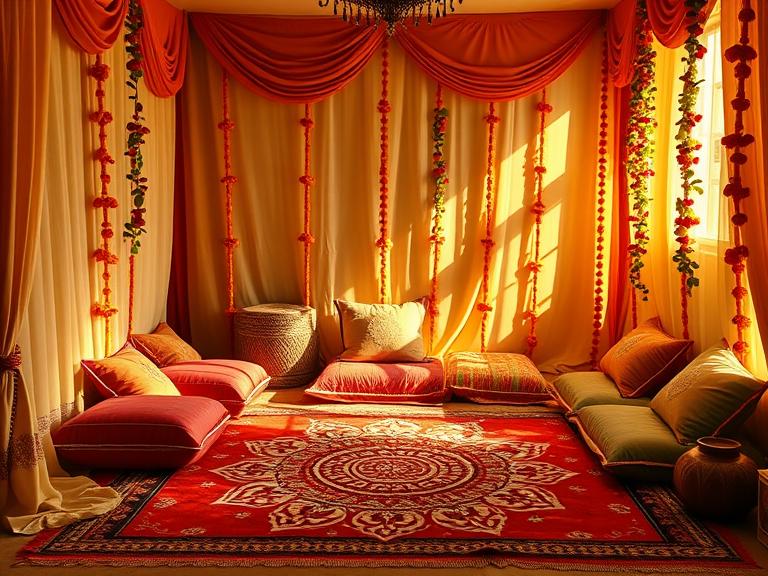
This expressive model uses rich, touch-friendly textures and interactive elements to create highly engaging dining spaces. Planners combine layered drapes, lace napkins, and velvet accents with functional tablescapes featuring fresh herbs, sliced citrus, and custom perfume bars. These multi-dimensional environments turn basic event decor into an engaging experience that guests can see, smell, and touch.
Quiet Luxury and Heritage Restraint
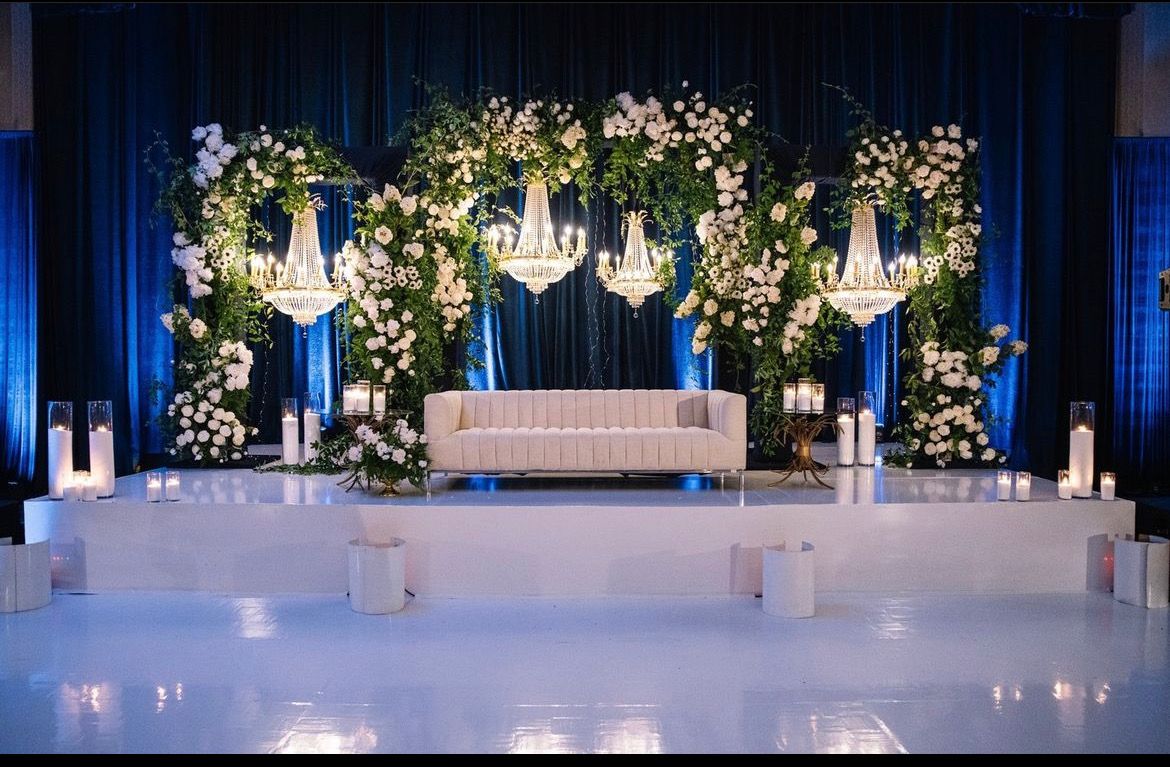
This clean style emphasizes perfect tailoring, high-quality fabrics, and clean lines over heavy surface decorations. Designers use premium solid linens, structured satin backdrops, and minimalist calla lily arrangements to establish understated elegance. This approach works beautifully in historic estates, museums, and gallery spaces where the architecture serves as the primary canvas.
Transportive and Immersive Venues
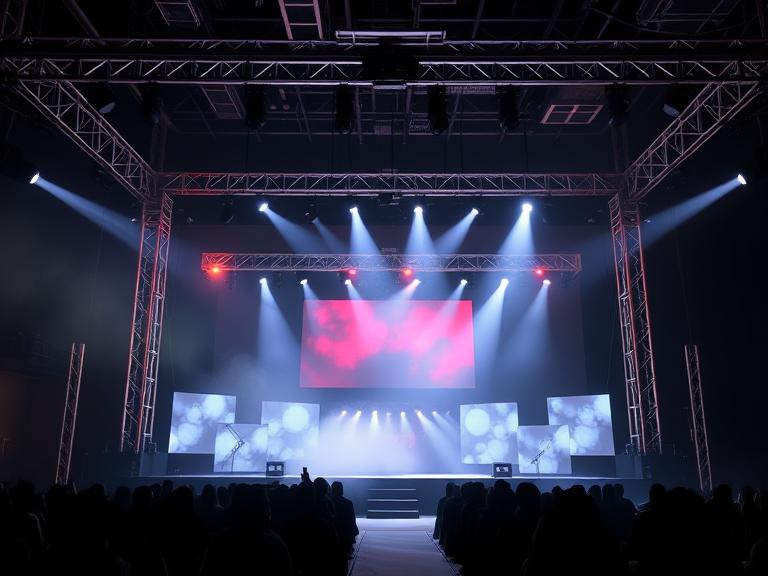
Couples increasingly move away from traditional ballrooms in favor of spaces with built-in atmosphere, such as secret jazz clubs, historic glass greenhouses, or industrial speakeasies. These productions transform the venue into a live stage set, using advanced audio-visuals and fluid seating plans to transport attendees into an entirely different environment.
What should I look for when adopting new wedding design styles?
When updating your event production plan to include modern elements, look past simple digital inspiration boards and focus closely on vendor capability tracking. Ensure your technical teams possess the specialized skills required to handle delicate textiles, install overhead structural rigs safely, and program moving lighting arrays with absolute precision.
Additionally, verify that your chosen venue guidelines can easily handle modern structural shifts, such as curved ceremony seating rows, complex multi-stage speaker setups, and high-volume live culinary stations. Reviewing these mechanical variables early keeps your workflow safe, organized, and free from unexpected extra labor fees.
Advantages and Long-Term Value of Modern Production Formats
Implementing updated, highly organized management strategies provides several clear operational advantages for hosts and venue staff:
- Improved Spatial Comfort: Fluid floor plans and dedicated lounge pockets eliminate traffic bottlenecks, keeping guest movement comfortable and smooth throughout the evening.
- Higher Supplier Efficiency: Staggered load-in matrices give separate styling, lighting, and audio crews the exact time windows they need to install equipment correctly.
- Better Budget Performance: Shifting spend away from massive, single-use floral installations toward permanent venue features and reusable decor items reduces resource waste.
- Memorable Hospitality Value: Interactive scent stations, personalized favors, and curated tasting menus keep guests highly engaged from arrival to the final departure.

Common Misconceptions in Contemporary Event Planning
Do modern non-traditional venue spaces simplify overall production logistics?
Modern non-traditional venue spaces do not simplify overall production logistics, because unique environments like historic ruins, industrial warehouses, and remote fields frequently lack dedicated electrical grids, built-in catering facilities, structured water lines, and professional on-site service staff.
Choosing an alternative space means your planning team must build an entire hospitality infrastructure from scratch. This requires securing heavy-duty mobile generators, building temporary kitchen prep tents, and sourcing portable climate-control units. Working with a certified production expert ensures these invisible mechanics are fully operational well before your guests arrive.
Real-World Production Scenarios
Scenario A: Running a Complex Room Turnover Under Tight Deadlines
A modern multi-day celebration required a historic ballroom to change from an open, daylight-filled ceremony into a moody, maximalist reception space in under three hours.
- The Strategy: The production manager used modular, pre-fabricated stage frames and hanging floral structures installed on motorized pulleys. Staggered teams rolled out pre-set lounge furniture and updated tablescapes concurrently, finishing the entire space overhaul thirty minutes ahead of schedule.
Scenario B: Safeguarding a Forest Greenhouse Design Against Heat
A high-end summer reception was set inside a beautiful glass greenhouse, creating a high risk of extreme midday heat damaging delicate floral setups and melting custom wax candles.
- The Strategy: The coordinator installed clear UV-blocking film on the primary glass panels and deployed quiet, commercial climate-control units along the outer walls. They swapped traditional wax candles for flame-free LED units and utilized hardy, sculptural calla lilies to ensure the design remained perfect throughout the event.
Frequently Asked Questions
How much does customized lighting design cost?
Pricing scales depend on your venue size, layout complexity, and the overall volume of equipment required. Basic ambient lighting setups generally start near $3,500, while multi-layered, interactive LED environments for large venues can scale up to $15,000+ based on programming needs.
Are traditional wedding cakes being replaced by alternative desserts?
Yes, modern couples frequently choose non-traditional options like tiered tiramisu platters, playful vintage kitsch cakes, or interactive dessert carts. These creative selections serve as edible art installations that reflect the hosts’ personal stories.
How do fluid ceremony seating plans affect professional video capture paths?
Curved, spiral, or circular seating arrangements give videographers unique, unobstructed angles to capture natural emotional moments. Planners coordinate closely with camera crews during early floor plan reviews to ensure master camera paths remain completely clear.
What is the standard timeframe required to install a large hanging floral rig?
Complex overhead installations generally require four to eight hours of dedicated, uninterrupted venue access. Production crews utilize specialized rolling scaffolds and automated hoist systems to hang these statement pieces safely before ground teams begin setting tables.
How do we make an alternative industrial warehouse space feel intimate for guests?
Designers use large-scale fabric drapes, warm low-level pin-spot lighting, and thoughtfully arranged lounge furniture pockets. These elements help break up expansive warehouse floors into cozy, inviting conversation zones.
Why are planners prioritizing local, seasonal ingredients for modern event catering?
Using local, seasonal ingredients ensures optimal food flavor quality, helps support community farms, and reduces transport carbon footprints. This sustainable practice aligns perfectly with modern hospitality values.
Can old-school venues easily handle modern high-wattage power demands?
Older properties often require secondary power distribution setups or silent external generators to support large modern lighting and sound rigs. Your production team reviews these technical needs during initial site inspections to prevent breaker blowouts.
What steps ensure delicate paper goods and stationery feel high-end to arriving guests?
Planners recommend using thick paper stocks, classic blind embossing techniques, and custom hand-drawn details. These tactile features establish a refined, thoughtful tone the moment an invitation or menu card is touched.

Finalizing Your Design Journey with Absolute Precision
Successfully executing a beautifully styled celebration relies on balancing creative innovation with organized, professional business management. By anchoring your blueprint to clear vendor tracking templates, proper venue safety inspections, and clear step-by-step schedules, you build a stress-free path to success. Partnering with proven event management professionals, such as the production consultants at Prashasta Events, ensures your chosen design approach is planned carefully, budgeted accurately, and executed flawlessly on-site.
Do not leave your important design details or vendor contracts to unverified social media lists or stressful last-minute planning guesswork. Connect with a certified event management strategist today to analyze your venue rules, optimize your budget allocations, and build your custom production path.




Leave a Comment