

Table of Contents
15 Critical Questions to Ask Before Hiring a Wedding Planner in Hyderabad
Hiring an event management team is one of the most important financial and emotional decisions you will make during your wedding journey. Knowing the exact questions to ask before hiring a wedding planner helps you evaluate vendor experience, uncover hidden markups, and ensure your team understands your cultural traditions.
Whether you are coordinating a multi-day Telugu wedding with 1,000 guests in Gachibowli or planning an intimate lawn ceremony in Jubilee Hills, interviewing your potential management team with a structured vetting checklist ensures your budget is protected and your vision is executed seamlessly.
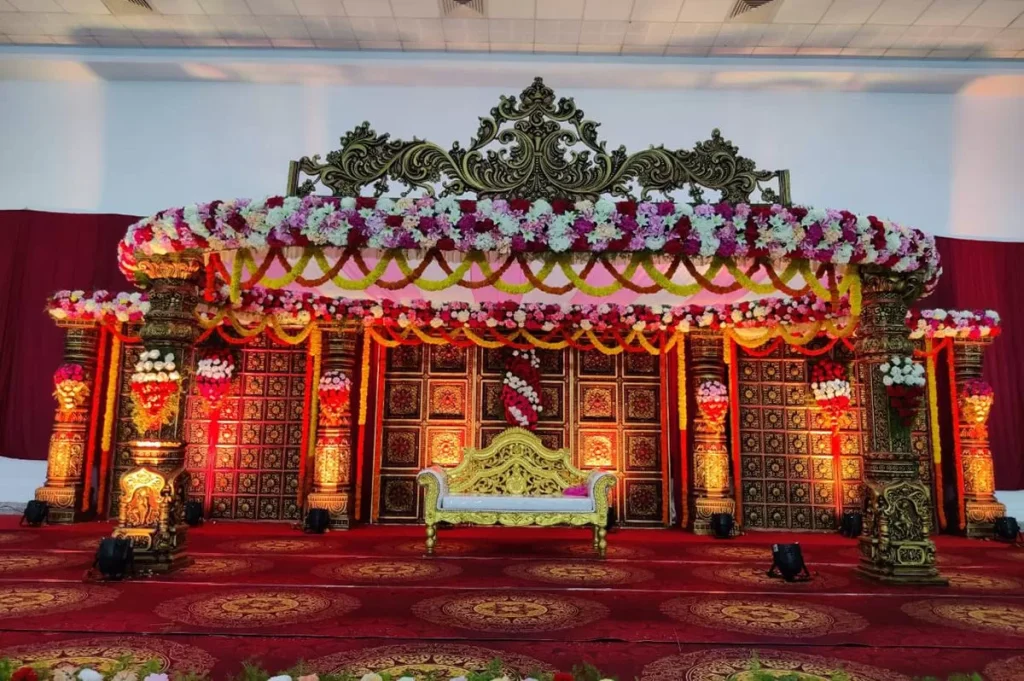
What to Clarify Before Signing a Wedding Planner Contract
Before signing a contract, you must ask targeted questions to ask before hiring a wedding planner covering their fee structures, vendor commission transparency, day-of staffing levels, emergency contingency policies, and specific experience with your regional ceremony rituals. Clarifying these factors upfront prevents budget overruns, operational miscommunication, and on-site delays.
Why The Vetting Process Matters for Indian Weddings
Indian weddings are multi-day production efforts involving complex logistics, fluctuating guest counts, and strict ritual schedules. A common pitfall for families is hiring a team based solely on an aesthetically curated Instagram portfolio, without evaluating their underlying operational capabilities.
┌─────────────────────────────────────────────────────────────┐
│                 THE WEDDING VETTING TRIANGLE                │
├─────────────────────────────────────────────────────────────┤
│ Financial Structure  ──> Fee models, commissions, markups    │
│ Operational Capacity ──> Staff ratios, run-sheet management  │
│ Cultural Competence  ──> Muhurtham timing, ritual flow      │
└─────────────────────────────────────────────────────────────┘
In major event hubs like Hyderabad, logistics can quickly become complicated. Handling peak-season dates (Muhurthams), managing heavy traffic across corridors like HITEC City and Shamshabad, and coordinating specialized vendors require an experienced operational team. Without clear vetting, families often encounter unexpected vendor markups, unstaffed functions, or delayed ceremony schedules.
15 Essential Questions to Ask Before Hiring a Wedding Planner
To thoroughly evaluate a management team, organize your interview into four clear operational categories: experience, finances, vendor management, and live execution.
Category 1: Professional Background and Cultural Experience
1. “Have you managed weddings of our specific scale and cultural traditions?”
Managing a 200-guest intimate destination gathering requires a completely different skill set than handling a 1,200-guest traditional South Indian wedding. Ask the planner about their experience with specific ritual timelines, such as early-morning Pelli ceremonies or late-night Sangeet setups.
2. “How many active weddings do you execute on the same weekend or month?”
During peak wedding seasons in Telangana and Andhra Pradesh, some agencies overcommit by booking multiple events on a single auspicious date. Ensure the team lead you are interviewing will be dedicated exclusively to your event, rather than dividing their attention across multiple venues.
3. “Can you share portfolio examples of real weddings versus styled photoshoots?”
Styled photoshoots feature staged models and curated lighting without the real-world pressures of managing 500 hungry guests or tight venue setup windows. Request portfolio photos and videos from actual live weddings they managed from start to finish.
┌─────────────────────────────────────────────────────────────┐
│             REAL WEDDINGS vs. STYLED PHOTOSHOOTS            │
├──────────────────────────────┬──────────────────────────────┤
│ Real Live Weddings           │ Styled Editorial Shoots      │
├──────────────────────────────┼──────────────────────────────┤
│ Dynamic guest movement       │ No guests or crowd flow      │
│ Strict Muhurtham timings     │ Unlimited setup time         │
│ Complex live catering setup  │ Single static decor bench    │
│ Unpredictable weather shifts │ Fully controlled lighting    │
└──────────────────────────────┴──────────────────────────────┘
Category 2: Financial Structures, Fee Models, and Billing
4. “What is your exact fee structure, and what is excluded?”
Planner billing formats generally fall into three distinct categories. Understanding these models prevents unexpected billing disputes later in the planning process:
| Fee Structure Model | How It Works | Best Suited For | Key Risk to Watch For |
| Flat Management Fee | Fixed upfront cost for defined scope of work. | Fixed, predictable wedding budgets. | Scope creep charges if extra events are added. |
| Percentage of Total Budget | Planner charges 10% – 15% of total spend. | High-budget, evolving event scopes. | Incentive for planner to push higher-cost vendors. |
| Cost-Plus / Cost-Per-Plate | Combined execution and decor package pricing. | Streamlined, all-in-one planning. | Lack of itemized line-item transparency. |
5. “Do you accept kickbacks or commissions from recommended vendors?”
Vendor transparency is a critical financial consideration. Some planners accept 10% to 20% back-end commissions from florists, caterers, and lighting vendors, which can inflate overall costs. Ask if they pass vendor discounts directly to you or if they operate on an open-book, pass-through pricing model.
6. “What are your payment schedules, cancellation policies, and refund terms?”
Clarify deposit schedules, milestone payments, and what happens if an event must be postponed due to unforeseen circumstances, such as extreme weather or family emergencies.
Category 3: Vendor Coordination and Logistics Management
7. “Do we have the freedom to hire our own preferred vendors?”
Some planning agencies require you to choose exclusively from their in-house vendor panel. If you have already shortlisted a specific candid photographer, bridal makeup artist, or specialty caterer, verify that your contract allows for outside vendors without added penalties.
8. “How do you manage venue setup timelines and vendor load-ins?”
Ask how the team coordinates vendor arrivals (load-in) at busy convention centers or hotel ballrooms. An experienced team creates detailed technical schedules so decor, audio, and catering setups occur smoothly without causing venue bottlenecks.
9. “What is your strategy for managing food wastage and catering flow?”
In Indian event planning, catering is typically one of the largest single expenses, often representing 30% to 40% of the total budget. Inquire how the planner tracks live guest counts, monitors buffet refills, and manages extra food responsibly.
Category 4: Day-of Execution and Contingency Planning
10. “How many on-site coordinators will be present for each function?”
A single planner cannot simultaneously manage stage decor, bride and groom arrivals, guest hospitality desks, and catering line checks. Ask for an exact breakdown of team members assigned to each specific function.
┌─────────────────────────────────────────────────────────────┐
│          RECOMMENDED DAY-OF ON-SITE STAFF RATIOS            │
├─────────────────────────────────────────────────────────────┤
│ 1 Lead Event Director   ──> Overall timeline & venue liaison│
│ 1 Stage/Ceremony Lead  ──> Pandit, pooja items, stage flow │
│ 2 Hospitality Leads    ──> Guest check-in & room allocations│
│ 1 Artist Coordinator   ──> Makeup artist, band, DJ liaison │
│ 2 Catering Leads       ──> Food live-counters & layout checks│
└─────────────────────────────────────────────────────────────┘
11. “Who will be our primary point of contact during the planning phase versus the wedding day?”
It is common to meet with a senior agency principal during the sales process, only to be handed over to a junior coordinator for execution. Ensure you know who will handle your day-to-day communications throughout the project.
12. “What is your emergency backup plan for weather shifts or power outages?”
Outdoor lawn functions, such as Mehendi or Haldi ceremonies, carry inherent weather risks. Ask the planner about their protocols for sudden monsoons, summer heat management, and generator backups (DG sets) for lighting and sound.
13. “How do you handle timeline delays during the live event?”
If a morning ritual runs an hour over schedule, a skilled coordinator knows how to adjust background operations—such as updating the catering team on service times and recalibrating the DJ setup—without creating visible disruption for guests.
14. “What software or tools do you use to keep us updated on progress?”
Professional planners utilize digital management tools like shared spreadsheets, Trello, or dedicated event software to track budget updates, vendor contracts, and guest RSVPs in real time.
15. “Can you provide references from recent clients with similar event sizes?”
Speaking directly with a past client offers honest insight into how a planning team handles pressure, solves unexpected problems, and manages family dynamics on the day of the event.

How to Choose the Right Wedding Planner
Follow this step-by-step evaluation process to transition from your initial search to signing a contract with complete confidence.
1.Define Your Wedding Scope and Budget Baseline:Step 1.
Establish your maximum financial limit, estimated guest count, and required functions (e.g., Haldi, Sangeet, Pelli, Reception) before contacting planners.
2.Shortlist Candidates Based on Local Market Experience:Step 2.
Identify 3 to 4 planning teams who regularly manage events at your selected venue types or within your local geographic area.
3.Conduct Structured Screening Interviews:Step 3.
Schedule 45-minute discovery calls using the 15 vetting questions outlined above. Take notes on vendor transparency, communication style, and industry knowledge.
4.Review Itemized Proposals and Quotations:Step 4.
Request detailed, line-item proposals from your top two candidates. Compare their fee structures, included staffing levels, and scope of work side by side.
5.Verify Client References and Vendor Feedback:Step 5.
Reach out to 2 past clients to ask about the planner’s punctuality, budget control, problem-solving skills, and stress management under pressure.
6.Finalize and Sign a Clear Service Contract:Step 6.
Ensure all agreed deliverables, payment milestones, cancellation terms, and day-of staffing commitments are explicitly written into the final contract before paying a deposit.
Common Misconceptions About Hiring a Wedding Planner
Myth 1: “Hiring a Wedding Planner Is Only for High-Net-Worth or Luxury Budgets.”
Rebuttal: Professional planners often save couples money on mid-range budgets (₹15 Lakhs to ₹35 Lakhs) by negotiating direct vendor rates, avoiding unnecessary decor additions, and preventing costly catering waste.
Myth 2: “If I Hire a Planner, I Will Lose Control Over My Own Wedding Decisions.”
Rebuttal: A professional planner acts as an operational manager, not a decision-maker. They handle logistics, vendor follow-ups, and troubleshooting, while you retain full creative control over design, menu, and budget choices.
Myth 3: “A Venue Coordinator Is the Same as a Personal Wedding Planner.”
Rebuttal: A venue coordinator works directly for the venue to protect the property’s assets, oversee in-house catering, and manage venue staff. A personal wedding planner works exclusively for you, managing your personal vendors, guest hospitality, ritual items, and overall schedule.
Practical Planning Scenarios
Scenario A: The Multi-Day South Indian Destination Wedding
- The Challenge: Coordinating a 600-guest multi-day wedding in Shamshabad with guests arriving across staggered flight times, requiring precise transportation and early-morning Muhurtham logistics.
- What to Ask: Focus on questions regarding transportation fleet management, hotel check-in desks, and how the team coordinates morning ritual requirements with local priests.
Scenario B: The Intimate Residential Lawn Celebration
- The Challenge: Hosting a 150-guest fusion celebration at a private farmhouse in Jubilee Hills with strict noise limits and limited parking infrastructure.
- What to Ask: Prioritize questions about sound permits, valet parking arrangements, temporary washroom setups, and outdoor power management.
What to Look for in a Planner’s Final Contract
Before making your initial deposit, verify that the service agreement explicitly outlines these operational details:
- Itemized Scope of Work: A clear, written list detailing which functions are included and the specific duties assigned to each function.
- Specified Day-Of On-Site Staffing: An explicit headcount of coordinators who will be present on-site for each event.
- Pass-Through Vendor Direct Billing: A statement confirming that all third-party vendor bills (e.g., caterers, florists, light vendors) are provided directly to you without undisclosed markups.
- Force Majeure and Postponement Terms: Fair policies covering event postponements, natural disruptions, or unforeseen venue closures.
How Far in Advance Should You Hire a Wedding Planner?
Securing your planner early ensures you have expert guidance throughout the vendor selection and budgeting process.
┌─────────────────────────────────────────────────────────────┐
│                 RECOMMENDED BOOKING TIMELINE                │
├─────────────────────────────────────────────────────────────┤
│ Peak Season (Nov – Feb)   ──> Book 8 to 12 months in advance│
│ Mid Season (Mar – May)    ──> Book 6 to 8 months in advance │
│ Off-Peak Monsoon (Jun–Sep)──> Book 4 to 6 months in advance │
└─────────────────────────────────────────────────────────────┘
Frequently Asked Questions
How much does a wedding planner cost in Hyderabad?
Wedding planner fees in Hyderabad vary based on event scale and scope. Fixed management fees typically range from ₹1.5 Lakhs to ₹5 Lakhs for standard multi-day weddings, while percentage-based fees usually range between 10% and 15% of the total event budget.
What is the difference between full-service planning and day-of coordination?
Full-service planning manages the entire event lifecycle from day one, including budget creation, venue sourcing, vendor negotiation, and decor design. Day-of coordination (or month-of execution) steps in 3 to 4 weeks before the wedding to manage vendor schedules, run-sheets, and live event execution.
Can I hire a planner if I have already booked my venue and caterer?
Yes. Many couples secure their primary venue and catering before bringing on a planner to handle decor design, logistics, entertainment, guest management, and day-of coordination.
How do planners handle unexpected guest overruns at the buffet?
Experienced planners establish a 10% catering buffer with the chef, set up guest access management at hall entrances, and track plate counts during live service to ensure smooth food delivery without sudden cost surges.
Is it necessary to hire a local planner if I am hosting a destination wedding in Hyderabad?
Yes, hiring a local management team provides significant advantages. Local planners maintain established relationships with local vendors, understand municipal permit requirements, and possess practical knowledge of city traffic patterns and venue logistics.
What happens if our wedding date gets postponed due to an emergency?
Most professional contracts include a postponement clause. If notice is given within an agreed timeframe (typically 30 to 60 days prior), deposits can usually be transferred to a new available date, subject to planner and vendor availability.
How many meetings should I expect with my planner before the wedding week?
A typical full-service planning process involves 8 to 12 structured planning meetings, alongside venue walkthroughs, food tastings, and ongoing digital communication for regular budget and vendor updates.

Moving Forward with Confidence
Asking the right questions during vendor interviews shifts your planning process from uncertain guessing to clear, organized decision-making. By thoroughly evaluating fee structures, day-of staffing levels, and operational experience upfront, you protect your family’s budget and ensure your wedding day runs smoothly.
With a qualified, transparent management team by your side, you can step away from day-of stress and focus entirely on celebrating with your loved ones.


Leave a Comment