

Table of Contents
The Logistics of Chaos: Is Being a Wedding Planner Stressful? An Operational Reality Check
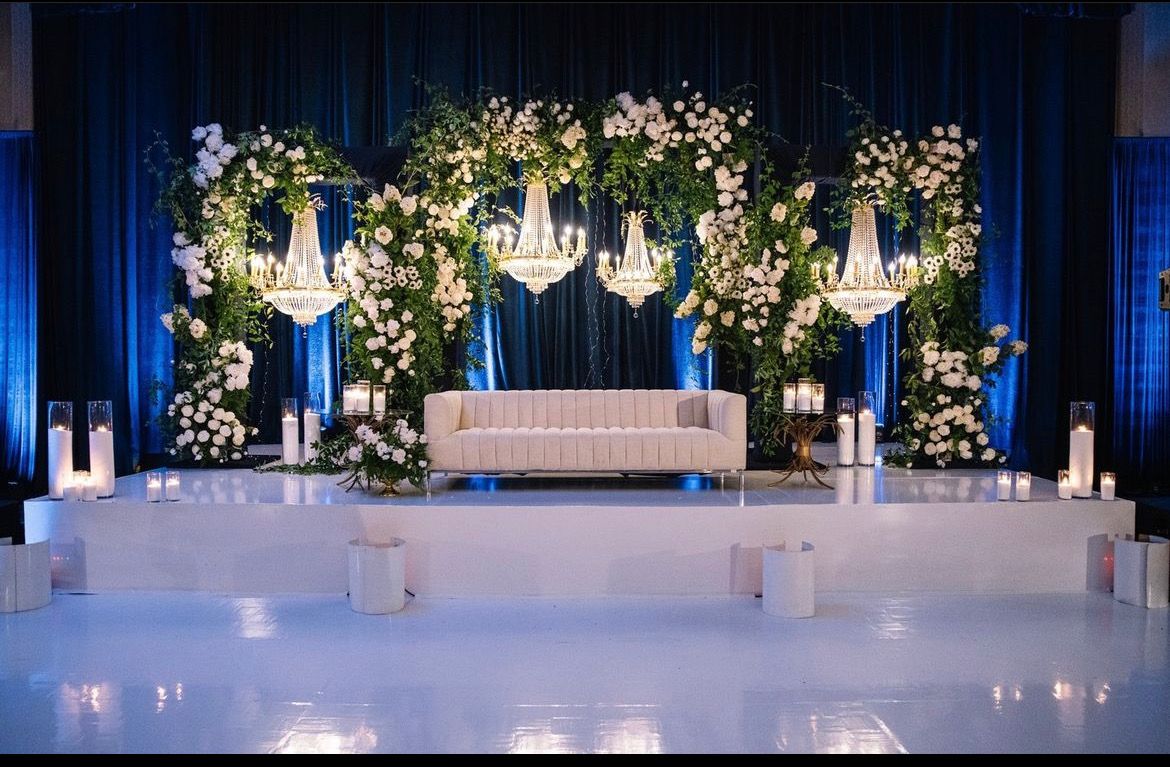
The global events industry often presents wedding management as a purely creative pursuit filled with floral selections, elegant table settings, and pristine ballroom reveals. However, behind the polished imagery lies a fast-paced environment characterized by high financial stakes, strict execution windows, and complex multi-vendor supply chains. For aspiring coordinators, corporate event strategists, and clients planning major milestones, asking is being a wedding planner stressful uncovers the demanding operational realities that professional teams navigate during every live production.
Managing high-pressure events requires deep supply chain coordination, spatial engineering expertise, and real-time risk mitigation. When handling large guest lists, complex venue load-in parameters, and strict timelines, the psychological and physical demands on production teams are intense. This analytical guide breaks down professional stress data, highlights common operational pain points, and explores the structural processes used by leading agencies to stay organized and calm under pressure.

Defining Event Management Occupational Stress
Why is being a wedding planner stressful?
[The Stress Generation Matrix]
       |
       +---> Time Constraints (Rigid execution countdowns, zero room for error)
       +---> Financial Liability (Extensive procurement budgets, tight vendor contracts)
       +---> Human Dynamics (Conflicting guest needs, vendor delivery alignment)
       +---> Site Vulnerabilities (Weather shifts, power grid failures, facility limits)
True logistics professionals do not rely on luck. Seasoned operators mitigate structural tension by employing precise data-driven frameworks, detailed contingency playbooks, and strict contract parameters to protect both the project’s capital and the team’s well-being.
Why This Matters: The Structural Impact of Professional Pressure
Understanding the core pressures of event coordination is critical for maintaining stable supply chains and protecting client investments. When an agency operates under prolonged, unmitigated pressure without structured processes, operational vulnerabilities rise sharply. This can lead to oversights in venue safety reviews, mismanaged vendor delivery windows, or communication breakdowns that impact live event delivery.
By identifying high-stress triggers early, management firms can implement reliable protocols to safeguard their teams and events. Data from logistics leaders like Prashasta Events indicates that treating event production like an engineering discipline—using clear checklists, automated tracking, and transparent vendor guidelines—reduces mistakes on the floor. This structured approach helps transform chaotic, high-pressure situations into predictable, smoothly run live productions.
How It Works: Systematically Managing Production Stressors
Experienced production managers use systematic workflows to mitigate live event pressure and maintain clear lines of control throughout the planning process.
- Conduct Comprehensive Initial Site Infrastructure Audits Evaluate structural limits, venue loading capacities, and available electrical grids early to eliminate unexpected technical issues.
- Establish Clear, Standardized Service Level Agreements (SLAs) Lock in binding contracts with all third-party suppliers to guarantee on-time setups and clear accountability.
- Implement Real-Time Digital Resource Management Systems Use centralized cloud trackers to manage budget lines, delivery updates, and layout changes across all active teams.
- Deploy Staggered Load-In and Assembly Timelines Organize vendor arrivals in carefully timed shifts to prevent congestion at the venue loading docks and service lifts.
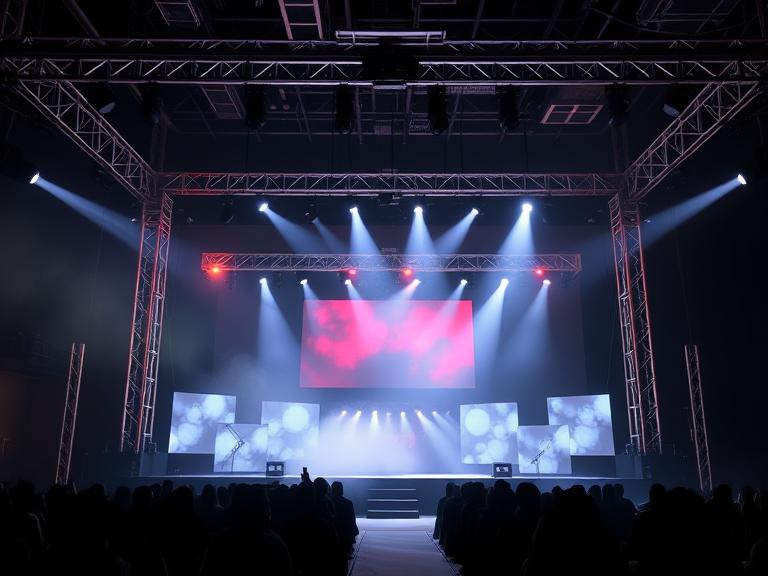
- Execute Full Tech Sweeps and Scenario Dry Runs Test audio frequencies, backup power generators, and staging limits before doors open to ensure complete operational safety.
Categorizing Operational Triggers Across Project Tiers
The specific stressors a coordination team faces often correlate directly with the size, scale, and location profile of the scheduled project.
| Stress Classification Category | Core Operational Source | Primary Technical Risk | Standard Mitigation Protocol |
| Logistical & Supply Chain | Late third-party vendor arrivals, damaged decor shipments | Production schedule delays, incomplete site builds | Maintain pre-vetted vendor networks with backup crews |
| Structural & Technical | Power overloads, venue rigging restrictions, bad weather | Audio-visual failure, structural stage safety issues | Deploy independent backup generators, secure engineering sign-offs |
| Stakeholder & Emotional | Conflicting family demands, sudden timeline changes | Misaligned expectations, last-minute script edits | Establish clear, written sign-offs for every major decision |
The Strategic Value of Data-Driven Stress Mitigation
Maximizing Resource Efficiency and Spatial Flow
Using a disciplined approach to planning allows coordinators to map out clear venue floorplans well in advance. This upfront spatial planning keeps high-traffic zones—like bar lines, registration desks, and media areas—fully separated, ensuring comfortable guest movement and smooth service delivery.
Strengthening Contract Reliability and Vendor Compliance
Treating event management as a rigorous procurement discipline keeps third-party teams accountable. Clear, written performance expectations prevent vendors from taking dangerous setup shortcuts, keeping your entire live production safe and fully compliant with local hospitality codes.
Common Misconceptions About Event Production Careers
Myth 1: Wedding Coordination is Primarily About Taste and Aesthetics
- Rebuttal: Elegant design constitutes only a fraction of the actual role. The vast majority of a professional team’s time is spent balancing complex budgets, reviewing safety guidelines, auditing electrical loads, and coordinating heavy transit logistics.
Myth 2: Experienced Planners Do Not Experience On-Site Stress
- Rebuttal: Live events are inherently unpredictable, meaning unexpected challenges will always arise. Experienced professionals navigate these situations successfully because they use proven contingency systems and calm troubleshooting processes, not because the stress disappears.
Myth 3: Increasing Vendor Budgets Automatically Lowers Project Stress
- Rebuttal: Larger budgets typically mean larger guest lists, heavier equipment builds, and more moving parts. Without structured project management, expanding a budget can actually introduce more communication silos and production risks.

Practical Examples of Managing Live Production Under Pressure
The Sudden High-Season Weather Shift
An outdoor lawn event faced a sudden, unseasonal storm warning just twelve hours before guest arrival. Because the coordination team had pre-arranged an indoor backup ballroom and maintained clear emergency communication lines, they transitioned the entire 500-guest setup inside with zero disruption to the event timeline.
The Historic Property Power Emergency
During a high-profile corporate celebration inside a protected heritage building, the venue’s main power grid failed. The planning agency immediately activated their standalone backup generators, which were already wired into an isolated circuit, keeping the event’s lights and sound running seamlessly without any downtime.
What are the most stressful elements of live event coordination?
Frequently Asked Questions
What internal strategies keep coordination teams calm during live production emergencies?
Teams rely on clear, pre-assigned roles where every coordinator owns a specific zone, such as audio-visual tech, catering flow, or guest logistics. Having clear areas of responsibility prevents communication overlap and ensures fast, organized troubleshooting.
How do professional planners protect client budgets from sudden cost changes?
Experienced managers use fixed-price clauses in all initial vendor contracts, requiring signed approvals for any scope changes. This strict documentation keeps the core financial plan protected against unlisted delivery or setup fees.
Why do tight venue load-in windows increase stress for setup crews?
When a hotel restricts setup times, multiple teams are forced to move heavy staging equipment through limited loading areas all at once. This overlap can create major bottlenecks at service elevators, making staggered arrival schedules essential.
How do planning agencies safely manage complex multi-day events?
Agencies deploy rotating staff schedules to ensure on-site coordinators stay sharp, focused, and alert. Centralizing all timelines in a shared digital tracking space also ensures seamless information handoffs between day and night shifts.
What precautions prevent technical audio-visual failures during an event?
Technical directors require outside audio suppliers to run completely separate, dedicated power lines from independent generators. This step isolates the main event production from the venue’s regular circuits, avoiding blown fuses.
How are conflicting design requests between different family members resolved?
Coordinators arrange organized review sessions early in the planning timeline to finalize layout themes and itemized costs. Securing formal, written sign-offs on these master blueprints prevents stressful, last-minute changes on the floor.
Why should hosts prioritize planners with active liability insurance?
Active commercial insurance policies protect all event stakeholders from unexpected financial liabilities caused by accidental property damage or structural installation mishaps during setup, keeping investments secure.
What steps keep fresh floral installations looking perfect during hot summer outdoor events?
Logistics managers arrange for delicate floral decor to be transported in climate-controlled trucks and stored in cold venue holding rooms until just before guest arrival. This careful timing prevents wilting and keeps layouts pristine.

Building Predictable Success Through Structured Planning
Successfully delivering a major corporate event or a large family milestone relies on balancing creative ideas with organized business management. Grounding your project plan in clear contracts, detailed space maps, and verified vendor selections ensures a smooth and predictable production process. Partnering with proven local advisors, such as the logistics and management specialists at Prashasta Events, guarantees your timelines are structured carefully, budgeted accurately, and managed safely on-site.
Do not leave your important branding images or family milestone logistics to unverified vendors or stressful last-minute planning guesswork. Book a free consultation with our operations team today to evaluate your location paths, clarify municipal permit rules, and build your custom





Leave a Comment