
Table of Contents
The Core Essence: Decoding the Nature of Event Management
In the high-stakes world of professional coordination, understanding what is the nature of event management is the difference between a chaotic gathering and a seamless milestone. Event management is often misunderstood as mere party planning or aesthetic arrangement. In reality, it is a sophisticated multidisciplinary field that blends rigorous project management with creative storytelling and high-pressure logistics. It is the art of transforming a conceptual vision into a tangible, time-bound reality.
The nature of this industry is fundamentally “dynamic.” Unlike traditional project management, where timelines might stretch across months with room for adjustment, event management is anchored to a “zero-hour” deadline. There are no “second takes” on a wedding day or during a live corporate product launch. This inherent finality demands a specific psychological temperament: a fusion of calm strategic foresight and rapid-fire problem-solving.
As we navigate through 2026, the nature of this field has expanded to include digital integration and sustainable ethics. Whether you are a corporate executive or a couple planning their union, recognizing that event management is a form of “experiential engineering” allows you to value the invisible threads—contracts, power loads, risk assessments—that hold the visible beauty together.

What is the Nature of Event Management?
Snippet Ready Definition: The nature of event management is defined as a multidisciplinary project management process focused on the creation and development of small to large-scale events. It involves analyzing brands, identifying target audiences, devising event concepts, and coordinating technical aspects such as logistics, budgeting, and on-site execution under strict, non-negotiable deadlines.
Why Understanding This Nature is Critical
For the professional audience—be it coordinators or clients—grasping the strategic nature of this field provides several competitive advantages:
1. Risk Mitigation as a Foundation
The nature of event management is inherently risk-prone. By viewing it through a professional lens, you move away from “hope-based” planning to “contingency-based” planning. This includes everything from fire safety protocols to digital data security for hybrid attendees.
2. Resource Optimization
When you understand that an event is a complex ecosystem, you stop wasting budget on superficial elements. Instead, you invest in the “Logistical Core”—proper sound engineering, efficient guest flow, and high-quality catering—that actually dictates guest satisfaction.
3. ROI and Brand Alignment
For corporate entities, the nature of an event is a marketing vehicle. A strategist ensures that the event’s “DNA” matches the corporate brand, turning a one-day gathering into a long-term asset for relationship building and market positioning.

How it Works: The Lifecycle of Event Management
Professional event management follows a modular, phases-based approach. Understanding this workflow is essential for anyone looking to master or hire for the craft.
Phase 1: The Research and Feasibility Audit
Every successful event begins with a “Why.” We analyze the objective, the guest demographics, and the budget constraints. A feasibility study determines if the chosen venue can technically support the vision (e.g., checking if a heritage site can handle the power load of a modern concert).
Phase 2: Design and Conceptualization
This is where the creative narrative is built. It isn’t just about colors; it’s about the “Guest Journey.” How do they feel when they receive the invite? What is the first scent they encounter upon entry? This phase defines the atmosphere.
Phase 3: The Logistical Blueprint (Planning)
This is the technical heart of the process. It involves:
- Vendor Sourcing: Vetting and contracting specialized partners.
- Timeline Mapping: Creating a “Run of Show” (ROS) that accounts for every minute.
- Permit and Compliance Management: Handling local authorities, noise permits, and insurance.
Phase 4: On-Site Execution (Coordination)
During the event, the manager acts as a conductor. They manage the “Invisible Logistics”—ensuring the caterer is ready exactly as the keynote ends, or that the bridal entry music triggers perfectly with the lighting cues.
Phase 5: Post-Event Evaluation
The nature of event management is cyclical. We conduct a “De-brief” to analyze what worked, the final budget reconciliation, and the ROI (Return on Investment) or ROE (Return on Emotion).
Types and Variations in the Modern Context
The nature of event management shifts slightly depending on the vertical:
| Vertical | Primary Nature | Key Focus |
| Corporate Events | Analytical & ROI-focused | Networking, Lead Gen, Brand Loyalty |
| Social & Weddings | Emotional & Aesthetic | Cultural Nuance, Personal Storytelling |
| MICE (Conferences) | Educational & Logistical | Knowledge Transfer, Large Scale Ops |
| Festivals/Concerts | Technical & Security-heavy | Crowd Control, Talent Management |
Advantages and Strategic Value
When event management is executed with an understanding of its true nature, it offers profound strategic value:
- Seamless Guest Experience: Guests shouldn’t see the work; they should only feel the result. A professional planner ensures that “invisible friction” (like long valet lines or cold food) is eliminated.
- Budgetary Discipline: Because the nature of the work involves high-volume vendor interaction, a strategist has the leverage to negotiate “Professional Rates,” often saving the client more than the management fee itself.
- Crisis Management: The strategist is the only person in the room trained to handle the “Unforeseen.” Whether it’s a sudden power failure or a medical emergency, their calm response is a vital asset.
Common Mistakes and Myths
Myth: “It’s just about being organized.”
Reality: Organization is the bare minimum. The true nature of event management is Crisis Management. You are not paid to be organized; you are paid to handle what happens when the organization fails.
Mistake: Neglecting the Technical Site Audit
Many DIY planners choose a venue based on looks. A professional knows the nature of the venue is its “Infrastructure.” If there aren’t enough restrooms or the loading bay is too small for the stage truss, the event is compromised before it begins.
Mistake: Underestimating “Load-In” and “Strike” Times
The nature of physical events involves heavy labor. Many planners fail to budget enough time for vendors to set up (Load-in) or dismantle (Strike), leading to expensive overtime fees from venues.

Practical Examples: The Nature in Action
Scenario A: The High-Stakes Product Launch
A tech firm launches a new AI tool. The nature of this event is Precision. The planner ensures the Wi-Fi is redundant (Plan B and Plan C), the lighting doesn’t glare on the LED screens, and the livestream is synced perfectly for 5,000 remote viewers.
Scenario B: The Luxury Destination Wedding
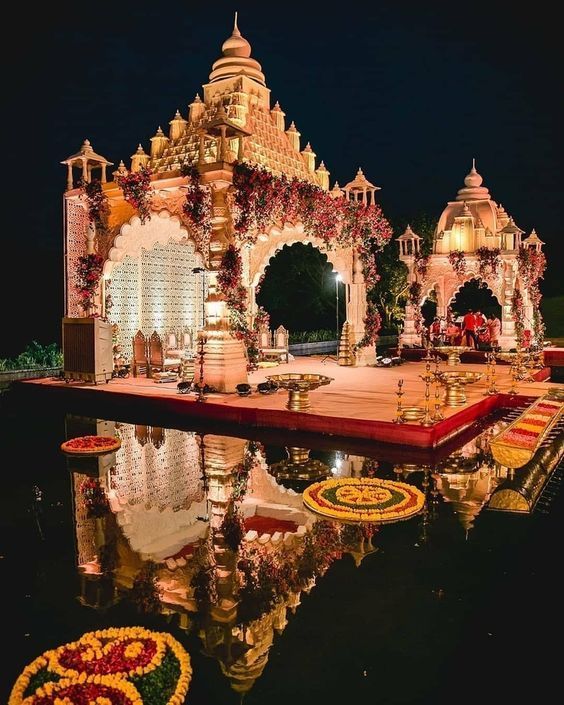
A couple marries in a remote fort. The nature of this event is Hospitality Logistics. The planner manages the “Guest Bubble”—transport from the airport, welcome hampers, and 48 hours of constant, high-touch care, ensuring the remote location feels like a seamless luxury resort.
Frequently Asked Questions
1. Is event management a service or a product?
It is a service-based project management discipline. However, the final “Experience” is the product delivered to the guests and the host.
2. How has the nature of event management changed in 2026?
It has become highly digitized. We now use AI for guest RSVP tracking, VR for venue walkthroughs, and sustainability audits to minimize the carbon footprint.
3. What are the 5 Cs of event management?
The 5 Cs are Concept, Coordination, Control, Culmination, and Closeout.
4. Does a small event need professional management?
Yes. Even for small events, the nature of logistics remains the same. A professional prevents “host burnout” by managing vendors and timelines.
5. How do you measure the success of an event?
Success is measured against the initial “Why.” For corporate events, it’s leads and engagement. For social events, it’s guest satisfaction and the host’s peace of mind.
6. What is the most difficult part of event management?
Managing the “Variable.” People, weather, and technology are unpredictable. Aligning these three variables into a single, cohesive moment is the ultimate challenge.
7. Can event management be done remotely?
The planning phase can be remote, but the “Nature” of execution is physical. On-site presence is mandatory to manage vendors and handle real-time issues.
8. What should I look for in an event management strategist?
Look for a balance of technical production knowledge and creative vision. Ask about their “Crisis Portfolio”—how they handled things when they went wrong.
Conclusion: The Quiet Authority of Planning
The nature of event management is ultimately about control—controlling the narrative, the environment, and the outcome. It is a profession that requires one to be both an artist and an engineer. By respecting the technical rigor behind the celebration, hosts can transition from being “task-oriented” to “vision-oriented.”
At Prashasta Events, we understand that our role is to be the silent engine behind your most vocal milestones. We embrace the complex, dynamic nature of this field so that you can embrace the moment.
Are you looking to architect an event that is strategically sound and creatively inspired? Contact Prashasta Events for a professional consultation today.



Leave a Comment