
Table of Contents
How Do I Make My Wedding Fun? A Complete Indian Guest Experience Guide
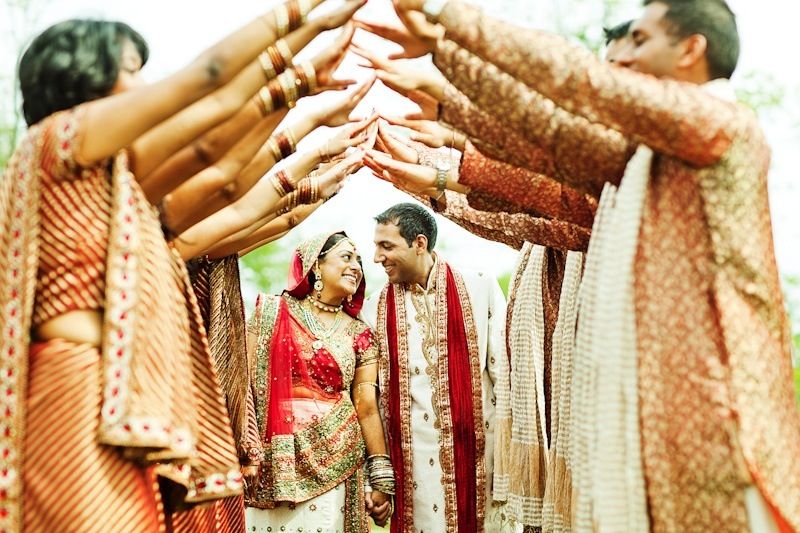
If you are asking “how do I make my wedding fun?”, the answer lies in prioritizing guest comfort, interactive entertainment, dynamic event pacing, and engaging culinary experiences over rigid formal protocols. In Indian wedding celebrations across cities like Hyderabad, weddings become genuinely enjoyable when host families minimize long waiting queues, eliminate awkward schedule delays between rituals, and create interactive zones during pre-wedding functions (Mehendi, Haldi, Sangeeth) and post-ceremony receptions.
What Does Guest-Centric Event Design Mean in Indian Weddings?
┌─────────────────────────────────────────────────────────────────────────┐
│                    FEATURED SNIPPET DEFINITION BLOCK                    │
├─────────────────────────────────────────────────────────────────────────┤
│ To make your wedding fun, structure your event schedule around guest   │
│ engagement: keep stage greeting queues under 20 minutes, introduce      │
│ interactive live food stalls, incorporate low-stakes cultural games,    │
│ hire professional Emcees to manage energy transitions, and curate       │
│ dedicated lounge areas for senior family members.                       │
└─────────────────────────────────────────────────────────────────────────┘
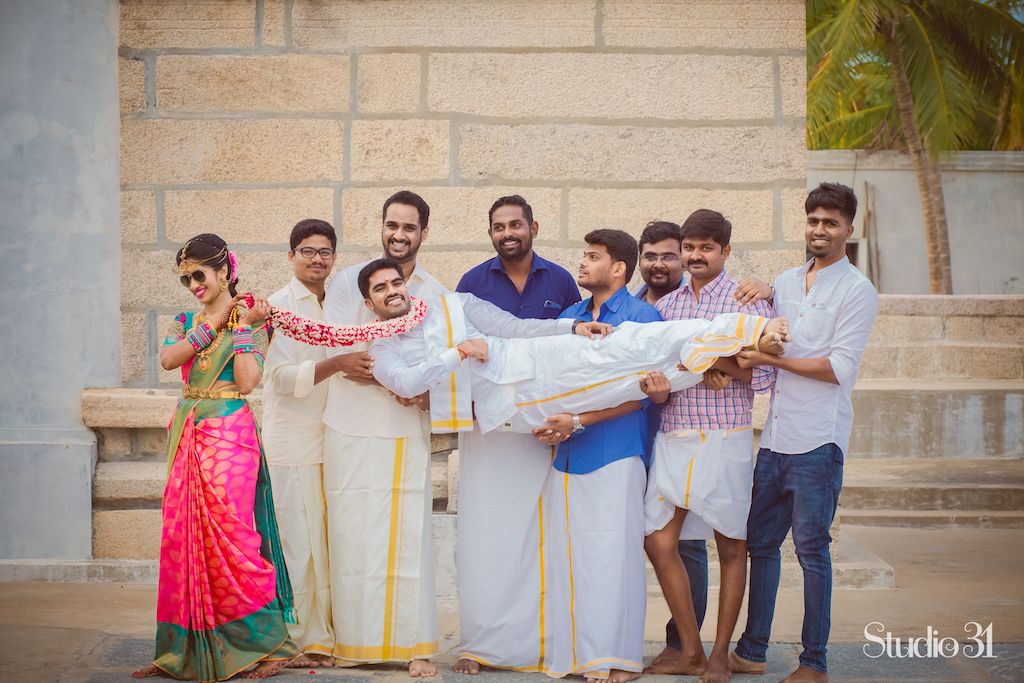
Transforming a traditional multi-day celebration into an engaging guest experience requires balancing formal cultural rituals with interactive social activities.
                  THE 4 PILLARS OF FUN WEDDING EXPERIENCES
┌─────────────────┐   ┌─────────────────┐   ┌─────────────────┐   ┌─────────────────┐
│ EVENT TIMELINE  │   │ CULINARY FLOW   │   │  INTERACTIVE    │   │ GUEST COMFORT   │
│  (No Dead Time) │──>│  (Live Stalls)  │──>│  ENTERTAINMENT  │──>│ (Seating & AC)  │
│ Seamless Flow   │   │  Interactive    │   │ Games & Emcee   │   │ Senior Care     │
└─────────────────┘   └─────────────────┘   └─────────────────┘   └─────────────────┘
Why People Get Wedding Entertainment Wrong in India
Couples and planning families often invest heavily in elaborate venue decor while inadvertently creating exhausting experiences for attending guests.
- Creating Unintentional “Dead Time”: Scheduling a 3-hour gap between morning Muhurtham rituals and afternoon lunch without lounge seating, light refreshments, or climate control leaves guests tired and disengaged.
- Over-scripting the Sangeeth Night: Turning a Sangeeth into a rigid 2-hour stage performance sequence without open dance floor time alienates non-performing guests and lowers overall event energy.
- Treating Catering as a Static Buffet Line: Forcing 600 guests through two narrow, identical buffet counters creates long waiting times that detract from the festive mood.
5 Practical Strategies to Make Your Wedding Fun and Engaging
Making an Indian wedding fun requires embedding interactive elements into each sub-event without disrupting traditional cultural customs.
                 5 CORE GUEST-ENGAGEMENT STRATEGIES
┌─────────────────────────────────────────────────────────────────────────┐
│ 1. Interactive Live Food & Beverage Stations                            │
│ 2. Professional Emcee-Led Cultural Games & Icebreakers                  │
│ 3. Express Stage Queues & Roaming Photo Experiences                    │
│ 4. Multi-Generational Lounge & Chill-Out Zones                          │
│ 5. Curated Surprise Moments & Live Musical Performances                 │
└─────────────────────────────────────────────────────────────────────────┘
1. Interactive Live Food & Beverage Stations
Food serves as a natural social center at Indian events. Beyond standard buffet lines, introduce interactive live culinary stations—such as liquid nitrogen dessert bars, customizable chaat counters, regional fusion snack stations (Telangana-style spicy tapas or fusion dosas), and artisanal mocktail bars where guests customize their orders.
2. Professional Emcee-Led Cultural Games & Icebreakers
A skilled local Emcee keeps the crowd engaged during transitions. Introduce friendly competition between the bride’s and groom’s families through interactive games such as:
- The Shoe Game: The couple sits back-to-back answering humorous questions about their relationship.
- Family Trivia Battle: Quick audience polling testing how well guests know the couple.
- Rapid-Fire Antakshari: Organized musical rounds between family sides during Mehendi or Haldi functions.
3. Express Stage Queues & Roaming Photo Experiences
Long stage queues exhaust both the couple and their guests. Mitigate stage bottlenecks by setting up interactive roaming 360-degree video booths, audio guestbook stations (where guests record voice messages on vintage telephones), and candid photo backdrop corners away from the main stage.
4. Multi-Generational Lounge & Chill-Out Zones
A wedding is fun only when every age group feels comfortable. Designate quiet, air-conditioned lounge areas with plush seating and soft ambient lighting for grandparents and senior relatives, positioned away from high-decibel DJ speakers.
5. Curated Surprise Moments & Live Musical Performances
Break up long formal sequences with unexpected entertainment elements—such as a surprise Dhol troupe entrance during the late-night reception, live acoustic caricature artists, or flash-mob dances involving extended cousins.
Event Element & Guest Impact Comparison Table
This matrix illustrates how allocating budget toward interactive guest elements compares to purely cosmetic venue enhancements:
| Event Element | Cost Range (Hyderabad Market) | Guest Engagement Impact | Primary Operational Benefit |
| Interactive Live Food Stalls | ₹150,000 – ₹400,000 | Very High | Eliminates buffet queues and creates organic gathering spots |
| Professional Event Emcee | ₹40,000 – ₹120,000 | High | Maintains event momentum and manages schedule transitions |
| Audio Guestbook / 360 Booth | ₹35,000 – ₹85,000 | High | Provides instant entertainment and lasting personal memories |
| Over-Sized Floral Entrance | ₹300,000 – ₹800,000 | Low–Medium | Visual appeal for photos; zero impact on guest activity |
| Dedicated Senior Lounge | ₹80,000 – ₹200,000 | High (Seniors) | Ensures comfort and accessibility for older family members |
How Do I Manage Stage Greeting Bottlenecks Efficiently?
Stage greeting bottlenecks can be managed effectively by implementing a structured guest-flow system that combines timed family announcements, separate photo zones, and dedicated usher management.
To keep your reception moving smoothly while maintaining warmth and hospitality, apply this 3-tier queue management framework:
- Deploy Dedicated Floor Ushers: Assign two ushers at the base of the stage steps to guide groups up systematically, collect gifts, and keep the walkway clear.
- Create Secondary Photo Hotspots: Set up two attractive floral photobooths on the main lawn or hall periphery so non-immediate guests can take group photos without waiting for the main stage.
- Schedule VIP Family Photo Blocks: Allocate specific 15-minute time slots immediately after the couple’s entry for immediate family photos, freeing up the remaining time for general guest interactions.
                  STAGE QUEUE EFFICIENCY MODEL
┌─────────────────────────────────────────────────────────────────────────┐
│  Stage Queue Arrival ──> Usher Greeting & Gift Collection               │
│  ├── Option A: Main Stage Greeting (Capped at 90 Seconds per Group)    │
│  └── Option B: Secondary Lawn Photobooth (Zero Queue / Instant Snap)    │
└─────────────────────────────────────────────────────────────────────────┘
Step-by-Step Guide: How to Plan a Guest-Centric Indian Wedding Schedule
Follow this step-by-step checklist to design an event timeline that keeps guest energy high and minimizes waiting fatigue:
1.Step 1: Map Guest Demographics & Comfort Needs: Audit your guest list demographics.
Analyze your guest list to determine the ratio of outstation travelers, senior relatives, and young guests. Tailor seating arrangements, climate control, and dietary options to these groups.
2.Step 2: Compress Event Gaps & Buffer Times: Eliminate multi-hour idle gaps.
Structure your event schedule so that ritual ceremonies transition directly into dining or entertainment without unmanaged downtime.
3.Step 3: Assign One Core Entertainment Anchor Per Sub-Event: Lock in engaging anchors per function.
Designate a clear highlight for each event: an interactive live band for the Cocktail, a choreographed flash mob for the Sangeeth, or live regional folk music for the Haldi.
4.Step 4: Brief Vendors on Energy Transitions: Coordinate lighting, music, and food service.
Ensure your Emcee, DJ, caterer, and floor coordinator work from a single shared timeline. Full-service event coordination teams—including local planners like Prashasta Events—typically manage these transitions behind the scenes to keep the program on schedule.
5.Step 5: Set Up Welcome Refreshments at Entry: Provide welcoming arrival touches.
Greet arriving guests with refreshing welcome drinks (such as coconut water, traditional sherbets, or spiced coolers) immediately upon entry, especially during warm weather.
6.Step 6: Monitor Floor Energy & Adjust Lighting/Sound: Gather real-time guest feedback.
Instruct your coordinator or floor manager to adjust music volume and room temperature dynamically throughout the night based on guest movement and crowd density.
4 Common Myths About Wedding Entertainment
Myth 1: “More stage performances always equal a better Sangeeth.”
Fact: A Sangeeth with more than 12 back-to-back family dance performances often causes audience fatigue. Capping performances at 6 to 8 energetic routines keeps the show engaging and leaves ample time for an open dance floor.
Myth 2: “Guest entertainment requires a massive budget.”
Fact: High guest engagement stems from thoughtful hospitality and social interaction, not expensive celebrity appearances. Simple additions like personalized trivia cards, DIY dessert bars, or well-timed music sets create memorable experiences at a fraction of the cost.
                  BUDGET vs. ENGAGEMENT VALUE COMPARISON
┌──────────────────────────────────────────┐  ┌──────────────────────────────────────────┐
│       HIGH COST / STATIC IMPACT          │  │       MODEST COST / HIGH INTERACTION    │
├──────────────────────────────────────────┤  ├──────────────────────────────────────────┤
│ • Celebrity performance (Passive viewing)│  │ • Interactive Emcee games (Active play)   │
│ • Massive led stage walls (Visual only)  │  │ • Customized live food counters (Tactile)│
│ • Exotic imported floral arches          │  │ • Audio guestbook telephone booth (Fun)  │
└──────────────────────────────────────────┘  └──────────────────────────────────────────┘
Myth 3: “Traditional ceremonies must be completely solemn and serious.”
Fact: While sacred rituals deserve complete reverence, incorporating welcoming traditions—such as flower-petal showers, interactive Baraat procession stops, and joyous music during Talambralu—keeps the atmosphere celebratory and warm.
Myth 4: “Guests will naturally mingle without structural guidance.”
Fact: Large gatherings with separate social circles can lead to isolated groups. Thoughtfully placed seating lounges, shared food stations, and light icebreaker games encourage natural mixing between both families.
Real-World Guest Experience Scenarios
Scenario 1: A 500-Guest Evening Sangeeth & Cocktail in Gachibowli, Hyderabad
- The Profile: A modern urban celebration featuring extended family and colleagues.
- The Challenge: Preventing long bar queues and maintaining high crowd energy throughout a 4-hour evening.
- The Solution: The host family set up three separate beverage counters across the hall, hired a professional Emcee to conduct a 20-minute interactive “Couple vs. Guest” trivia game, and introduced a late-night street food station featuring hot Hyderabadi Irani chai and Osmania biscuits.
- The Outcome: Bar queues were eliminated, guest participation remained high, and the dance floor stayed active until venue closing.
Gachibowli Sangeeth Flow Workflow
├── Entry Refreshments: Welcome Mocktails & Live Music
├── Main Stage: 6 Choreographed Family Routines (Capped at 30 Mins)
├── Interactive Transition: 20-Minute Couple Trivia & Shoe Game
└── Evening Finale: Open DJ Dancefloor + Live Chai & Snack Counter
Scenario 2: An Intimate Day-Time Haldi Ceremony at a Shamshabad Resort
- The Profile: A 150-guest outdoor family function preceding the main wedding day.
- The Challenge: Keeping guests comfortable during warm morning hours while maintaining an upbeat festive mood.
- The Solution: The family set up cooling mist fans under shaded canopy seating, provided complimentary floral sunglasses and sunhats as welcome favours, and set up a self-serve organic Phoolon ki Holi (flower petal) station accompanied by live Dhol drummers.
- The Outcome: Guests remained cool, comfortable, and actively participated in the flower celebrations, generating vibrant candid photos.
Guest Experience Safety and Comfort Checklist
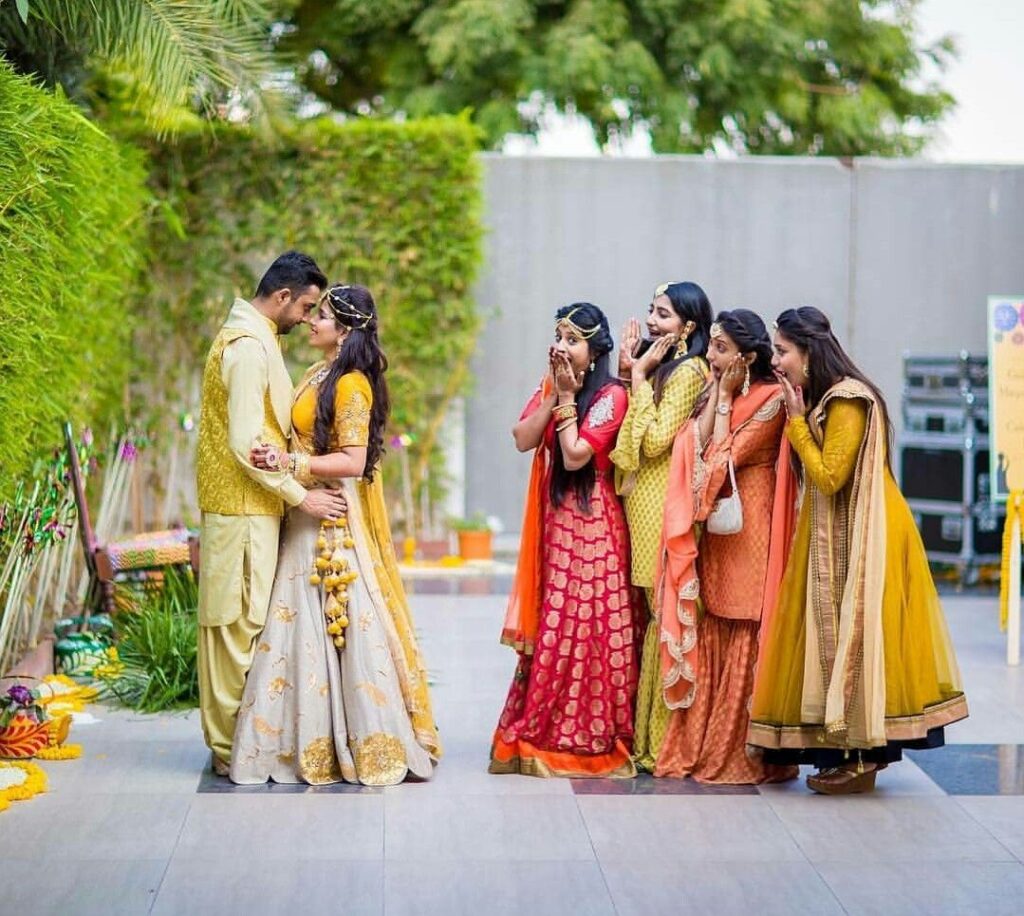
Complete this checklist prior to your event dates to ensure guest comfort:
- [ ] Climate Control Check: Ensure outdoor lawns feature adequate misting fans for daytime events or outdoor heaters for chilly winter evenings.
- [ ] Seating Capacity Audit: Verify that total hall seating covers at least 60% of your total guest count simultaneously, preventing standing fatigue.
- [ ] Restroom Maintenance Schedule: Confirm that the venue provides dedicated cleaning attendants stationed near restrooms throughout the event.
- [ ] Dietary Labeling: Ensure live counters clearly distinguish between pure vegetarian, Jain, and non-vegetarian options with clear signage.
- [ ] Accessibility Access: Confirm ramp accessibility and close valet drop-off points for elderly relatives or guests using mobility aids.
Frequently Asked Questions
How do I make my wedding fun for guests of all age groups?
To engage all age groups, combine high-energy elements (like a DJ dance floor and 360-video booth) with quiet, comfortable lounge seating for seniors. Interactive food counters and simple family games create shared enjoyment across generations.
How can I keep guests entertained between wedding rituals?
Prevent downtime between rituals by setting up interactive food stalls, live acoustic music sessions, audio guestbook stations, or lawn games (such as giant Jenga or cornhole) during afternoon transition periods.
What are the best interactive food ideas for an Indian wedding?
Popular interactive food choices include live golgappa tasting bars, customizable live pasta or wok counters, liquid nitrogen ice-cream stations, regional fusion dosa counters, and fresh fruit mocktail bars.
How many dance performances should a Sangeeth have?
Limit Sangeeth stage performances to 6–8 routines total, keeping individual dances under 3 minutes. This keeps the stage show tight (under 35 minutes) and leaves maximum time for an open dance floor.
How do I shorten the stage greeting queue at my reception?
Shorten stage queues by deploying floor ushers to guide groups, setting up secondary photobooths elsewhere in the venue for casual group photos, and scheduling dedicated photo blocks for immediate family members.
Is hiring an Emcee necessary for an Indian wedding?
While not strictly mandatory, a professional Emcee helps maintain event flow, introduces family performances, runs icebreaker games, and guides guests smoothly from ritual areas to dining halls.
How can I make a daytime Haldi function interactive?
Make your Haldi fun by incorporating Phoolon ki Holi (flower petal showers), live Dhol drummers, organic color stations, custom photo backdrops, and refreshing summer beverage counters like chilled coconut water or sherbet.
What is an audio guestbook, and how does it work?
An audio guestbook uses a vintage telephone fitted with recording technology. Guests pick up the receiver, hear a recorded welcome message from the couple, and leave personalized voicemail blessings that are compiled into an audio keepsake.
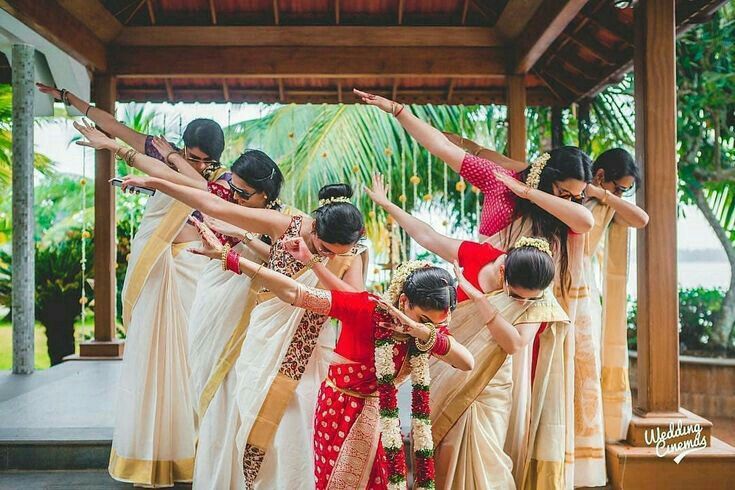
Answering “how do I make my wedding fun“ comes down to designing your event around hospitality, seamless schedule flow, and interactive guest experiences. By managing stage queues, introducing interactive live food counters, maintaining comfortable seating zones, and avoiding long schedule gaps, you can host a joyful celebration that your guests will cherish. Armed with these practical planning strategies, you can design a wedding that is both culturally meaningful and deeply enjoyable for everyone attending.

Leave a Comment