

Table of Contents
Event Planning Guide for Beginners
Mastering the Fundamentals: An Event Planning Guide for Beginners
Entering the world of event planning is often a process of trial by fire. What appears to be a creative, glamorous profession is, at its core, a rigorous exercise in logistics, crisis management, and financial precision. Whether you are an aspiring coordinator, a business manager tasked with organizing a conference, or a couple planning a milestone wedding, the ability to structure a project is what separates a chaotic day from a triumphant success.
This event planning guide for beginners is designed to demystify the process. We move beyond generic advice to provide a strategic roadmap that professional coordinators use to maintain control, even when the unexpected occurs. By mastering the fundamentals outlined here, you will gain the clarity required to turn any conceptual idea into a tangible, high-impact reality.
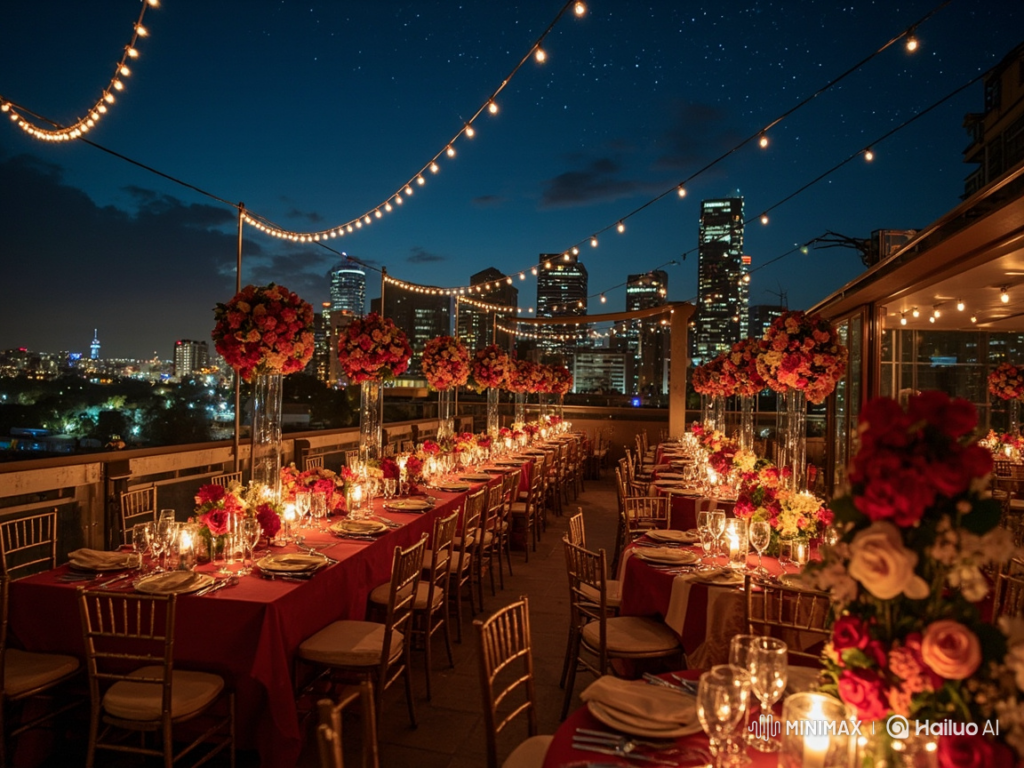
What is Strategic Event Planning?
Snippet Ready Definition: Strategic event planning is the comprehensive process of managing an event from its inception to its final evaluation. It encompasses goal setting, budgeting, vendor procurement, timeline development, and on-site logistics management to ensure that every element of the gathering contributes to the intended outcome.
Why is This Framework Essential?
A professional approach to planning is not just about aesthetics; it is about risk mitigation. Events are complex systems; a single oversight in the power requirements or a failure in vendor communication can compromise the entire experience.
Understanding these fundamentals allows you to:
- Control Costs: By identifying the “hidden” expenses early, you prevent budget overruns.
- Enhance Experience: When logistics are managed efficiently, the guests’ experience becomes the focus, rather than the organizers’ stress.
- Build Reputation: Consistency is the hallmark of a professional. A structured process ensures that your work remains high-quality, regardless of the event’s scale.
How It Works: The Strategic Workflow
Professional planners operate in four distinct phases. Following this sequence prevents the “rushed” feeling that characterizes poorly planned events.
1. Discovery and Objective Setting
Before booking anything, ask: What is the purpose of this event? Define the measurable goals. Are you looking to generate leads, foster team morale, or celebrate a milestone? This goal dictates every subsequent decision, from the venue choice to the catering style.
2. The Budget and Resource Audit
Create a master budget that accounts for everything, including tax and service charges. Never assume prices. Obtain written quotes from at least three vendors in each category to understand the market baseline.
3. Logistical Sequencing
Develop a “Run of Show”—a minute-by-minute document of the event day. This document is the living guide that all vendors and staff follow.
4. On-Site Management and Debrief
Execution is about communication. Use clear channels, such as a dedicated messaging group for the core team, and always perform a post-event debrief to analyze what worked and what didn’t.

Types of Event Planning
Understanding the nuances of your specific event type is key to success:
- Corporate Events: Often data-driven. The focus is on networking, knowledge transfer, and brand alignment. Efficiency and technical reliability are the top priorities.
- Social/Private Events: Primarily emotional. The focus is on atmosphere, hospitality, and personalized guest experiences.
- Hybrid/Virtual Events: Require technical mastery. The focus is on digital engagement, platform stability, and clear communication with remote participants.
Advantages of a Methodical Approach
A methodical approach offers more than just organization; it provides strategic value. When you plan based on data and structured checklists, you become more resilient to change. If a primary vendor cancels, or if the venue has an unexpected technical issue, a systematic planner has an “Alternative A” and “Alternative B” already mapped out in their contingency plan.
Common Mistakes and Myths
Myth: “The venue provides everything.” Reality: Never assume the venue includes basics like microphones, specific power cables, or adequate furniture. Always cross-reference the venue contract with your event requirements.
Mistake: Skipping the technical walk-through. Always test your AV, internet, and lighting at the venue during the time of day your event will occur. An empty room looks very different from a room full of people; ensure the acoustics and visibility work for a full audience.
Practical Examples: Two Scenarios
Scenario 1: A Corporate Seminar
An event coordinator plans a 200-person seminar. They use a checklist to ensure the Wi-Fi bandwidth can support 200 simultaneous users. By testing the connection three days prior, they discover the venue’s default router is insufficient and arrange for a dedicated high-speed line, preventing a catastrophic failure on the day of the seminar.
Scenario 2: A Milestone Anniversary
An individual plans a 50-person family dinner. They draft a timeline that accounts for every speech and meal segment. By scheduling a 15-minute “buffer” before the main course, they successfully absorb a delay caused by late-arriving guests, ensuring the dinner service remains on schedule and the evening feels relaxed rather than rushed.
Frequently Asked Questions
1. How do I start planning if I have no experience? Begin by documenting every single task on a shared digital spreadsheet. Focus on one phase at a time to avoid feeling overwhelmed.
2. What is the most important document to create? The “Run of Show” (timeline). If everyone knows what happens and when, 90% of event-day problems can be avoided.
3. How much should I budget for emergencies? Always keep a 10–15% contingency fund specifically for unexpected costs.
4. How do I choose between different venues? Create a comparison grid that ranks venues based on your specific requirements (e.g., parking, capacity, technical capabilities, and price).
5. Should I hire a professional planner for small events? It depends on your time constraints. If you are balancing a full-time job, hiring an organiser can save you significant time and prevent costly stress.
6. What is the biggest challenge for beginners? Underestimating the time required for setup and teardown. Always double the estimated setup time in your initial timeline.

Conclusion
Event planning is a skill built on preparation, not improvisation. By following a structured process, you move from being a “reactive” planner who survives the day, to a “strategic” planner who directs it.
Whether you are organizing your first small social gathering or beginning a career in corporate management, the principles of clear communication, rigorous documentation, and contingency planning remain universal.
If you find that the logistical requirements of your upcoming event are outpacing your current capacity, remember that expertise is a resource you can leverage. At Prashasta Events, we specialize in providing the strategy and logistical oversight that ensures every event is a seamless success.




Leave a Comment