
Table of Contents
Marriage Rituals Of Different Religions: A Complete Guide to Indian Wedding Traditions
The marriage rituals of different religions across India reflect centuries of spiritual philosophy, regional heritage, and familial bonding. From the sacred fire (Agni) of a Hindu Pheras ceremony and the solemn consent (Qubool Hai) of a Muslim Nikah, to the four lavan circumambulations of a Sikh Anand Karaj and the exchange of vows in Christian Holy Matrimony, Indian weddings are defined by distinct symbolic protocols. Understanding these customs helps couples, families, and guests navigate multi-cultural celebrations with cultural respect and logistically seamless planning.
Whether you are organizing an interfaith celebration, attending a friend’s traditional ceremony, or planning your own wedding timeline, respecting the specific sequence, sacred items, and spatial layout required by each faith ensures a meaningful celebration.

What Are the Marriage Rituals Of Different Religions in India?
┌─────────────────────────────────────────────────────────────────────────┐
│                    FEATURED SNIPPET DEFINITION BLOCK                    │
├─────────────────────────────────────────────────────────────────────────┤
│ Marriage rituals of different religions in India represent the sacred   │
│ legal, social, and spiritual customs uniting two individuals. Hindu     │
│ weddings feature the Kanyadaan and Saptapadi around a sacred fire;     │
│ Muslim weddings center on the Nikah contract and Mehr; Sikh ceremonies │
│ perform the Anand Karaj around the Guru Granth Sahib; and Christian     │
│ weddings involve Holy Matrimony with solemn vows and ring exchanges.   │
└─────────────────────────────────────────────────────────────────────────┘
The core marriage rituals of different religions serve a unified purpose: legally, socially, and spiritually solemnizing the bond between two individuals and their families. While the spiritual philosophies vary—some viewing marriage as an unbreakable karmic sacrament and others as a solemn legal contract—each tradition relies on specific ceremonial steps, sacred texts, and officiants.
Why Understanding Religious Marriage Customs Matters in Modern Event Planning
Planning a wedding in India requires managing both deep tradition and complex venue logistics. When families come together across regional or religious backgrounds, misinterpreting a ritual’s duration, physical requirements, or sacred rules can create unnecessary stress.
                  ┌── Fire-centered setups (Havan Kund, open-air ventilation)
                  ├── Holy Book positioning (Elevated platforms, shoe-free zones)
Sacred Ritual     ┼── Legal documentation (Nikahnama, Church Registry sign-offs)
Logistics Needs   ├── Gender-segregated seating or specific spatial orientation
                  └── Precise Muhurtham timing vs. fixed liturgical schedules
- Spatial and Stage Requirements: A Hindu Vedic ceremony requires an open-air or well-ventilated Mandap capable of accommodating a live fire (Havan Kund). Conversely, a Sikh Anand Karaj takes place seated on the floor before the Guru Granth Sahib in a Gurdwara or properly sanctified hall, requiring carpeted floor seating and mandatory head coverings.
- Timing and Auspicious Windows: Hindu rites depend strictly on astrological timing (Muhurtham), which can dictate non-standard start times like 4:00 AM or midnight. Christian church ceremonies follow fixed parish schedules, and Muslim Nikah ceremonies are frequently aligned after Jummah (Friday prayers) or Isha evening prayers.
- Catering and Hospitality Guidelines: Dietary rules vary significantly across religious traditions. A Jain wedding demands strict pure-vegetarian catering cooked without root vegetables (kanda-mool) and served before sunset. A traditional South Indian Hindu feast (Banana Leaf Meals) prohibits alcohol and meat on the premises, whereas Muslim Walima feasts center on rich meat preparations like Biryani while remaining strictly alcohol-free.
Core Marriage Rituals Across Major Indian Religions
1. Hindu Marriage Traditions: The Sacred Vedic Fire and Saptapadi
Hindu weddings are rooted in ancient Vedic scripture, treating marriage (Vivaha) as a sacred, lifelong spiritual union (Samskara). While regional variations exist across Telugu, Tamil, Bengali, or North Indian weddings, the Vedic core remains consistent.
┌─────────────────────────────────────────────────────────────────────────┐
│                        KEY HINDU WEDDING RITUALS                        │
├─────────────────────────────────────────────────────────────────────────┤
│ 1. Kanyadaan: Symbolizing the father's blessing and trust.             │
│ 2. Panigrahana: The groom taking the bride's hand before the sacred fire│
│ 3. Saptapadi: Seven sacred steps representing seven lifelong vows.      │
│ 4. Mangalya Dharanam / Mangalsutra: Tying the sacred yellow thread/chain.│
└─────────────────────────────────────────────────────────────────────────┘
- Pre-Wedding Rites: The Haldi (or Pellikuthuru/Pellikoduku in Telugu) uses turmeric paste for purification, followed by Mehendi (henna application) and Sangeet musical nights.
- Kanyadaan: The bride’s parents offer their daughter’s hand to the groom, seeking his commitment to lead a life grounded in Dharma (duty), Artha (wealth), and Kama (love).
- Panigrahana & Saptapadi: The couple holds hands near the sacred fire (Agni). They take seven steps together (Saptapadi), with each step representing a specific vow for prosperity, health, mutual respect, and lifelong companionship.
- Mangalya Dharanam: In South Indian tradition, the groom ties the Tali or Mangalsutra around the bride’s neck at the exact astrological Muhurtham, sealed by three knots (Mudu Mullu).
2. Muslim Marriage Traditions: The Nikah Contract and Mehr
In Islamic tradition, marriage (Nikah) is a solemn legal and spiritual contract between a man and a woman, governed by Islamic jurisprudence.
┌─────────────────────────────────────────────────────────────────────────┐
│                       KEY MUSLIM WEDDING RITUALS                        │
├─────────────────────────────────────────────────────────────────────────┤
│ 1. Mehr: The mandatory bridal gift pledged by the groom.               │
│ 2. Ijab-o-Qubool: Proposal and verbal consent before two witnesses.     │
│ 3. Nikahnama Signing: Registering the formal legal marriage contract.  │
│ 4. Walima: The grand post-wedding feast hosted by the groom's family.   │
└─────────────────────────────────────────────────────────────────────────┘
- Manqabat & Mehendi: Pre-wedding gatherings focus on henna application, traditional songs, and family hospitality.
- The Nikah Ceremony: Presided over by a Qazi (Islamic scholar), the ceremony begins with the recitation of the Khutbah-e-Nikah (marriage sermon).
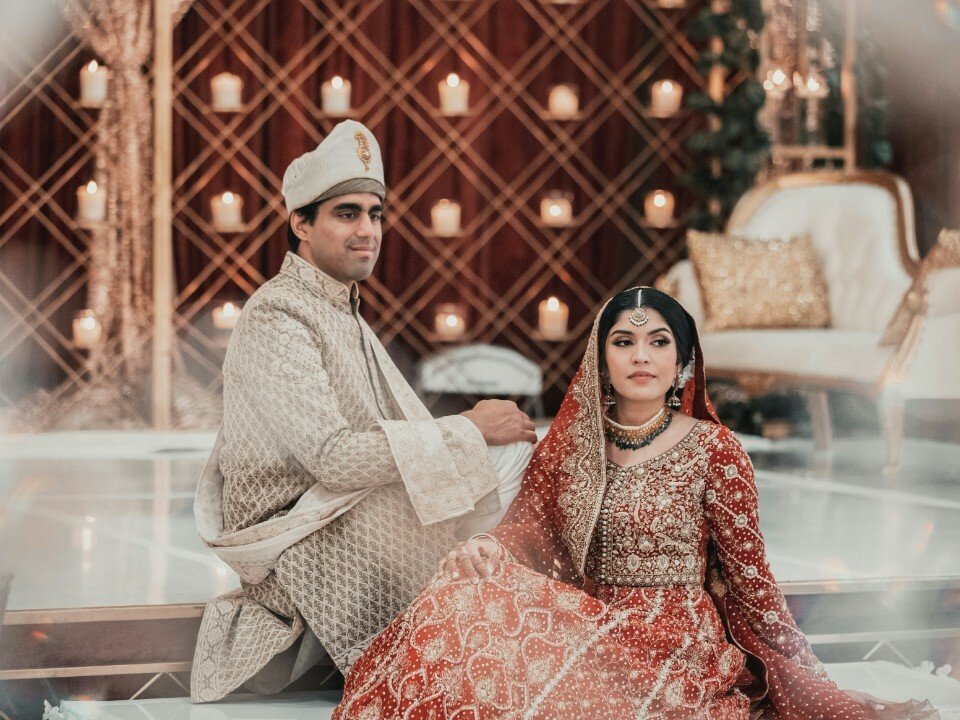
- Ijab-o-Qubool: The Qazi asks both bride and groom for their free consent. Upon repeating “Qubool Hai” (I accept) three times in the presence of two male witnesses, the marriage becomes legally binding.
- Mehr & Nikahnama: The groom pledges the Mehr—a mandatory gift of money, gold, or property that belongs exclusively to the bride. Both parties sign the legal document called the Nikahnama.
- Walima: The official marriage banquet hosted by the groom’s family to announce the union to the wider community.
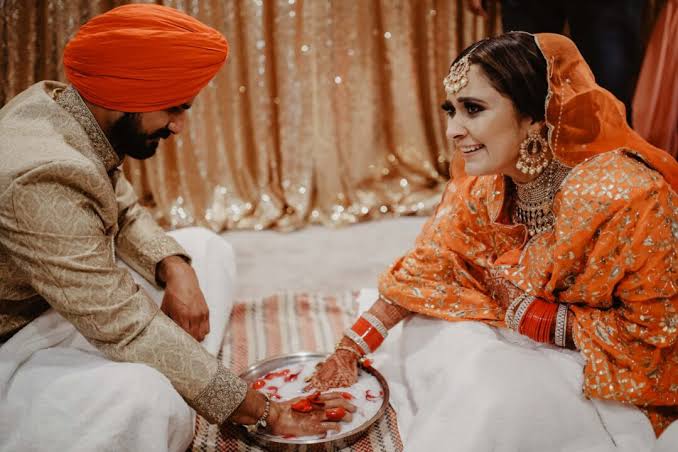
3. Sikh Marriage Traditions: The Anand Karaj and Four Lavan
The Sikh wedding ceremony, known as Anand Karaj (“Blissful Union”), was instituted by the Sikh Gurus and is performed exclusively in the presence of the Guru Granth Sahib.
1.Step 1: Milni:Meeting of the two families outside the Gurdwara.
The male relatives of both families exchange garlands and warm embraces outside the Gurdwara entrance, symbolizing mutual respect and official union between the clans.
2.Step 2: Ardas:Opening prayer for divine grace.
The congregation stands while the officiant recites the opening Ardas prayer, seeking blessings for the couple and their respective families before the holy scripture.
3.Step 3: Palla Ceremony:Connecting the couple with a sacred scarf.
The bride’s father places one end of the groom’s saffron-colored scarf (Palla) into the bride’s hands, physically and spiritually linking them for the ceremony.
4.Step 4: The Four Lavan:The four sacred circumambulations.
As the Granthis recite and sing the four Lavan hymns composed by Guru Ram Das Ji, the couple walks clockwise four times around the Guru Granth Sahib. Each lap represents a progressive stage of spiritual and matrimonial commitment.
5.Step 5: Anand Sahib & Karah Parshad:Concluding prayers and sacred sweet distribution.
The ceremony concludes with the singing of the Anand Sahib hymn, a final Ardas, and the distribution of Karah Parshad (blessed sweet wheat pudding) to all attendees.
6.Step 6: Guru Ka Langar:Community vegetarian meal.
All guests sit together on the floor in the Gurdwara dining hall to share a pure vegetarian meal (Langar), reinforcing Sikh principles of equality and community service.
4. Christian Marriage Traditions: Holy Matrimony and Liturgical Vows
Christian marriages in India—spanning Roman Catholic, Protestant, Syrian Christian, and Evangelical traditions—are conducted inside a church during a solemn liturgical service.
- Entrance & Processional: The bride enters the church escorted by her father or guardian, walking down the central aisle toward the altar where the groom awaits.
- Liturgy of the Word: The priest or pastor reads scripture passages focused on love, fidelity, and selflessness in marriage, followed by a homily.
- Exchange of Vows and Rings: The couple recites formal marriage vows, pledging mutual love “in sickness and in health, for richer or for poorer.” They exchange blessed wedding rings as permanent tokens of fidelity.
- Nuptial Blessing & Tying of the Thali (Syrian Christian Tradition): In South Indian Christian communities (especially in Kerala and parts of Tamil Nadu), the groom ties a Thali (a gold leaf-shaped pendant embossed with a cross) around the bride’s neck, followed by the Manthrakodi (gifting of a rich silk saree placed over the bride’s head).
- Signing the Church Register: The newlyweds and two official witnesses sign the legal church registry in the sacristy before proceeding to the wedding reception.
Comparison Matrix: Marriage Customs Across Religions
| Feature / Ritual | Hindu Wedding | Muslim Wedding | Sikh Wedding | Christian Wedding |
| Primary Officiant | Vedic Pandit / Priest | Qazi / Islamic Scholar | Granthi / Sikh Officiant | Priest / Pastor |
| Central Focus Element | Sacred Fire (Agni) | Nikahnama Contract | Guru Granth Sahib | Church Altar / Holy Bible |
| Key Union Moment | Saptapadi (7 Steps) | Ijab-o-Qubool (Consent) | Lavan (4 Circumambulations) | Exchange of Vows & Rings |
| Sacred Token / Symbol | Mangalsutra / Tali | Mehr Agreement | Palla (Sacred Scarf) | Wedding Ring / Thali |
| Traditional Attire | Saree, Lehengas, Kanjeevarams, Sherwanis | Sharara, Gharara, Anarkalis, Sherwanis | Heavy Lehengas, Dupatta over head, Achkan | White Gown / Saree, Tuxedo / Suit |
| Venue Requirement | Open/Ventilated Mandap, Banquet Hall, Lawn | Banquet Hall, Convention Center, Lawn | Gurdwara or Sanctified Carpeted Hall | Church / Cathedral Chapel |
Step-by-Step Guide: How to Plan an Interfaith Wedding Timeline
Blending marriage rituals of different religions into a single seamless celebration requires structured planning and clear communication between both families.
Step 1: Consult Religious Officiants Early
   │
Step 2: Map Out Spatial and Technical Needs
   │
Step 3: Establish Clear Guest Guidance and Etiquette Briefs
   │
Step 4: Balance Auspicious Muhurthams with Liturgical Schedules
   │
Step 5: Design a Dual-Catering or Inclusive Food Strategy
   │
Step 6: Create an Integrated Master Day-of-Event Timeline
- Step 1: Consult Religious Officiants EarlyMeet with priests, Qazis, or church pastors from both traditions early in the planning process. Clarify which rituals are mandatory for legal/religious validity and which can be streamlined or adapted.
- Step 2: Map Out Spatial and Technical NeedsIf hosting two distinct ceremonies on the same day (e.g., a morning Anand Karaj followed by an evening Nikah or Hindu Pheras), ensure your venue can accommodate two separate structural setups without requiring a complete 2-hour stage tear-down.
- Step 3: Establish Clear Guest Guidance and Etiquette BriefsProvide guests with an informational card or website section explaining attire requirements (e.g., covering heads in a Gurdwara, removing shoes near a Mandap, or dressing modestly for church/mosque services).
- Step 4: Balance Auspicious Muhurthams with Liturgical SchedulesAlign the timing of both events carefully. Ensure adequate buffer time—typically 3 to 4 hours—between morning and evening ceremonies to allow for rest, wardrobe changes, and transit.
- Step 5: Design a Dual-Catering or Inclusive Food StrategyChoose catering formats that respect the strictest dietary needs of all guests present. For multi-religious gatherings, offering separate, clearly demarcated pure-vegetarian and non-vegetarian buffet lines is standard industry practice.
- Step 6: Create an Integrated Master Day-of-Event TimelineDistribute a unified printed or digital timeline to family leads, stage managers, makeup artists, and caterers to prevent scheduling overlap or delays.
4 Common Myths About Religious Marriage Ceremonies
Myth 1: “Interfaith marriages cannot include traditional religious rituals.”
Fact: Many couples successfully host dual ceremonies across two days or combine symbolic elements (such as exchanging rings during a Saptapadi reception) provided they respect the core requirements of each faith’s officiants.
Myth 2: “All South Indian weddings follow identical Vedic rituals.”
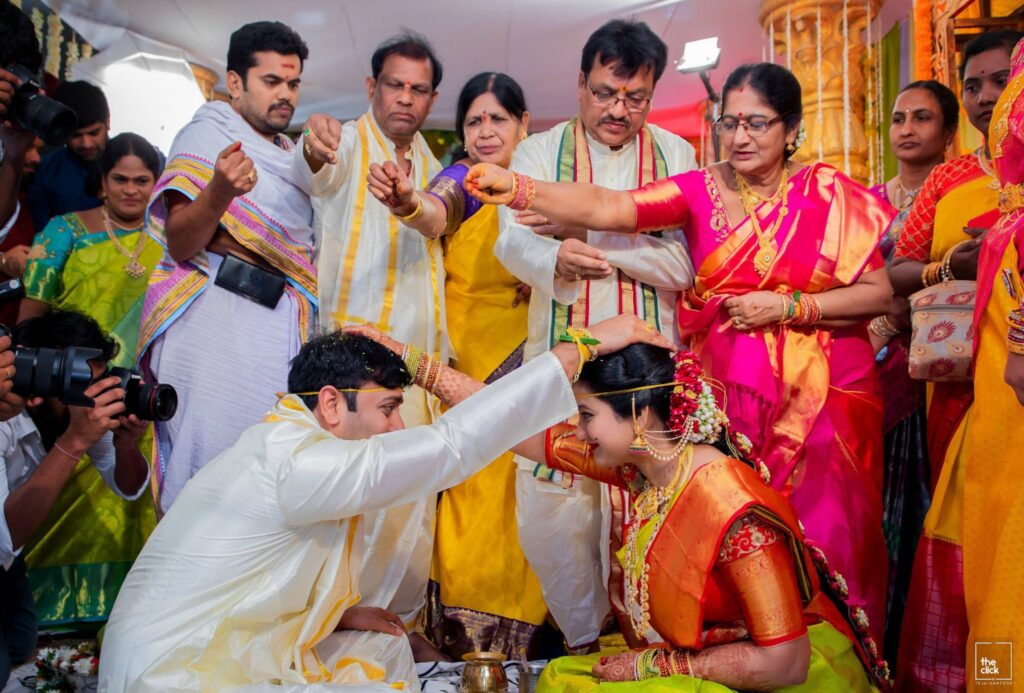
Fact: South Indian weddings vary substantially by state and community. A Telugu Kalyanam involves specific rites like Jeelakarra Bellam (applying cumin and jaggery paste on the bride and groom’s heads at the exact Muhurtham), whereas a Kerala Christian wedding revolves around the Thali and Manthrakodi.
   Telugu Kalyanam                 Kerala Syrian Christian
┌───────────────────────────┐   ┌───────────────────────────┐
│ Jeelakarra Bellam Paste   │   │ Tying of the Thali        │
│ Tying of the Mangalsutra  │   │ Gifting of Manthrakodi    │
│ Talambralu (Rice Shower) │   │ Church Registry Signing   │
└───────────────────────────┘   └───────────────────────────┘
Myth 3: “The Nikah must strictly take place in a mosque.”
Fact: While a Nikah can certainly be performed in a mosque, Islamic law permits the ceremony to take place at home, in a banquet hall, or at a outdoor venue, provided the environment is clean and dignified.
Myth 4: “Sikh Anand Karaj ceremonies can be held outdoors on a beach or resort lawn.”
Fact: The Akal Takht (the supreme temporal seat of Sikhism) strictly prohibits carrying the Guru Granth Sahib to beaches, commercial resorts, or locations where alcohol or meat are served. An Anand Karaj must take place in a Gurdwara or a strictly sanctified, alcohol-free, vegetarian environment.
Real-World Wedding Planning Scenarios
Scenario 1: A Dual-Tradition Telugu Hindu & North Indian Sikh Wedding in Hyderabad
- The Background: A bride from a traditional Telugu family in Secunderabad married a groom from a Punjabi Sikh family based in Delhi. The couple wanted to honor both heritage streams equally.
- The Setup: The festivities spanned three days. Day 1 featured a joint Mehendi and Sangeet. On Day 2, the family held an early morning Anand Karaj at a local Gurdwara (followed by Langar). On Day 3, they hosted a grand evening Telugu Kalyanam complete with a traditional Mandap, Jeelakarra Bellam, and Talambralu (shower of holy rice).
- Key Takeaway: Separating the two religious ceremonies into dedicated slots prevented cultural overlap and allowed both families to experience each ritual without rushing.
3-Day Dual-Tradition Timeline
├── Day 1: Joint Mehendi & Sangeet Night
├── Day 2 Morning: Gurdwara Anand Karaj & Langar Feast
└── Day 3 Evening: Traditional Telugu Kalyanam & Mandap Rituals
Scenario 2: An Interfaith Muslim & Christian Wedding Reception
- The Background: A Muslim groom and a Christian bride planned a streamlined wedding celebration in a hotel ballroom.
- The Setup: The couple conducted their official legal registration under the Special Marriage Act earlier in the week. On the main event day, they hosted an afternoon Nikah ceremony presided over by a Qazi in a private ballroom, followed by an evening Western-style reception featuring wedding vows, ring exchanges, cake cutting, and a Walima dinner.
- Key Takeaway: Completing legal formalities beforehand allowed the couple to focus on cultural symbolism and hospitality for their guests.
Practical Application: How to Apply This to Your Wedding Planning
If you are currently mapping out your wedding details, use this quick practical checklist to ensure smooth execution:
- [ ] Confirm Legal Requirements: Identify whether your union requires registration under specific personal law acts (e.g., The Hindu Marriage Act, 1955, or The Special Marriage Act, 1954) or church/community registries.
- [ ] Audit Venue Rules Early: Check whether your venue permits open flame fires (Havan), live classical instruments, outside catering teams, or late-night sound setups.
- [ ] Provide Clear Cultural Context: Include a small explanatory note on your wedding program cards or website so guests from different backgrounds can follow along with the rituals.
- [ ] Hire Culturally Experienced Vendors: Ensure your decorator, caterer, and stage managers have direct experience handling the specific requirements of your faith’s ceremony.
Frequently Asked Questions
What is the significance of Jeelakarra Bellam in a Telugu Hindu wedding?
Jeelakarra Bellam is a core Telugu wedding ritual where the bride and groom place a paste of cumin seeds and jaggery on each other’s heads at the exact auspicious Muhurtham. The bitter-sweet combination symbolizes that the couple will remain united through both the sweet and bitter moments of life.
What is the difference between a Nikah and a Walima?
The Nikah is the official Islamic marriage ceremony where the marriage contract is signed and consent (Ijab-o-Qubool) is given in the presence of witnesses. The Walima is the post-wedding reception hosted by the groom’s family to celebrate the union and share a feast with relatives and community members.
Can non-Sikh guests attend an Anand Karaj in a Gurdwara?
Yes, people of all faiths and backgrounds are welcome to attend an Anand Karaj in a Gurdwara. Guests are expected to dress modestly, cover their heads with a scarf or handkerchief, remove their shoes before entering the prayer hall, and sit respectfully on the floor.
What is the Thali tying ritual in South Indian Christian weddings?
In South Indian Christian traditions (particularly among Kerala Syrian Christians), the Thali is a small gold pendant embossed with a cross, threaded on a sacred cord. The groom ties it around the bride’s neck during the church ceremony, blending local South Indian cultural symbols with Christian faith.
How long does a traditional Hindu wedding ceremony take?
A traditional Hindu Vedic ceremony typically lasts between 1.5 to 3 hours, depending on regional customs, priest recitations, and the inclusion of rituals like Kanyadaan, Panigrahana, and Saptapadi.
What is the Special Marriage Act in India?
The Special Marriage Act, 1954, is an Indian legal framework that allows individuals of different religions, castes, or nationalities to solemnize their marriage through a civil registration process without needing to convert or renounce their respective religious beliefs.
Why is head covering mandatory in certain religious ceremonies?
Covering the head in Sikh Gurdwaras, Hindu temples, or Islamic prayers is an ancient mark of humility, reverence, and respect when entering a sacred space or standing before God and holy scriptures.
What is the role of the Mehr in an Islamic marriage contract?
The Mehr is a mandatory gift of money, property, gold, or other valuable assets pledged by the groom to the bride at the time of marriage. It is the exclusive property of the bride, providing her with financial security and legal standing under Islamic law.
Navigating the marriage rituals of different religions requires balancing deep respect for tradition with practical event management. Every custom—whether stepping around the sacred fire, signing the legal Nikahnama, walking four circumambulations around the Guru Granth Sahib, or exchanging church vows—carries profound meaning. Armed with this understanding, you are well positioned to plan a respectful, harmonious, and beautifully organized celebration that honors your family’s heritage and creates lifelong memories.





Leave a Comment