
Table of Contents
How Should a Bride Prepare for Her Wedding? A Complete Preparation Guide
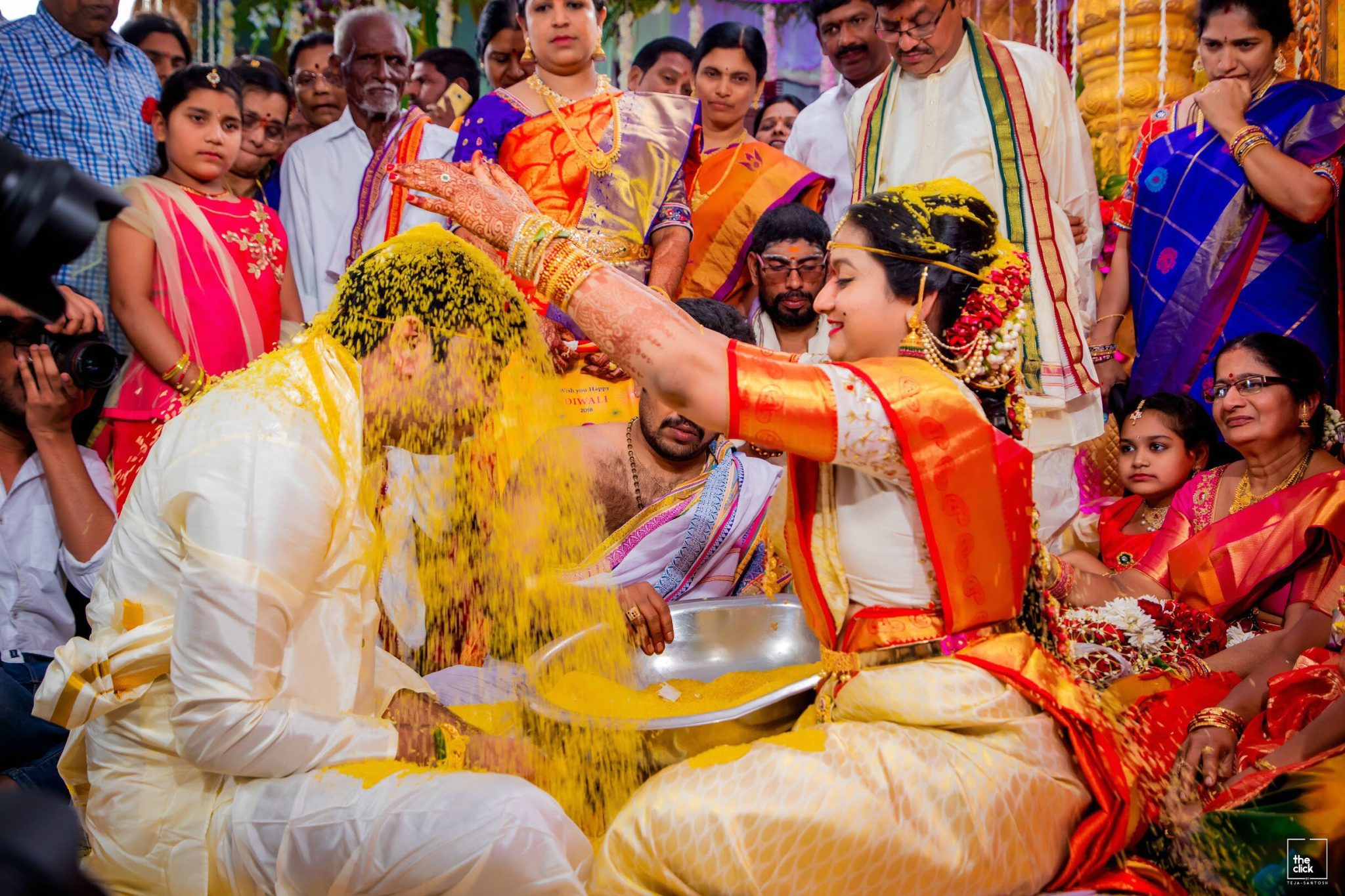
Knowing how should a bride prepare for her wedding requires balancing personal wellness, outfit coordination, vendor schedules, and ceremony logistics. An Indian wedding often spans three to five distinct multi-day functions—from the intimate Pellikuthuru or Haldi to a high-energy Sangeet, traditional Muhurtham, and grand Reception. Without a structured preparation timeline, managing heavy bridal ensembles, long ritual hours, and constant social engagements can become overwhelming.
A successful preparation strategy splits a bride’s responsibilities into distinct phases: personal wellness and skincare starting 6 to 12 months prior, outfit sourcing and alteration milestones 3 to 6 months ahead, and detailed trousseau organization in the final weeks. By treating your wedding preparation as a organized, step-by-step roadmap, you can arrive at your wedding day glowing, rested, and fully present.
What is Bridal Preparation?
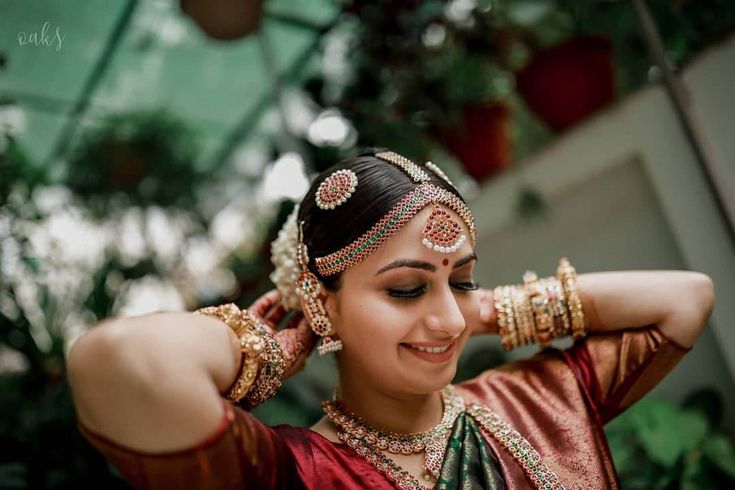
Bridal preparation is the systematic 6-to-12-month process an Indian bride undergoes to manage her physical skincare, wardrobe tailoring, jewelry assembly, vendor coordination, and emotional well-being ahead of her wedding. It transforms complex logistics—such as multi-event outfit trials, trousseau packing, and salon routines—into a manageable timeline that prevents last-minute stress.
┌─────────────────────────────────────────────────────────────────────────────┐
│                    BRIDAL PREPARATION MILESTONE MATRIX                      │
├──────────────────────────────┬──────────────────────────────┬───────────────┤
│ PREPARATION PHASE            │ CORE DELIVERABLES            │ TIMELINE      │
├──────────────────────────────┼──────────────────────────────┼───────────────┤
│ Foundation & Vendor Booking  │ MUA, Photographers, Skin Care│ 9 to 12 Months│
│ Wardrobe Sourcing & Jewels   │ Lehengas, Sarees, Gold Sets  │ 4 to 6 Months │
│ Tailoring & Trial Sessions   │ Blouse Stitching, Makeup Test│ 1 to 2 Months │
│ Trousseau & Packing          │ Event Pouches, Emergency Kit │ 1 to 2 Weeks  │
└──────────────────────────────┴──────────────────────────────┴───────────────┘
Why Structured Bridal Preparation Matters in Indian Weddings
Indian weddings are culturally rich, emotionally intense, and physically demanding. Unlike single-day Western ceremonies, traditional celebrations across North and South India involve hours of ritual postures, heavy garments, intense stage lighting, and continuous interaction with hundreds of guests.
Unstructured Preparation Risks          Structured Preparation Target
├── Last-minute blouse fitting errors   ├── Multi-stage alteration lock-in
├── Dehydrated skin from harsh peels    ├── 6-month dermatologist routine
├── Missing accessories on event day    ├── Color-coded event garment bags
└── Physical exhaustion during rituals  └── Hydration & nutrition scheduling
Bridal preparations often hit friction points when execution is left to the last minute:
- Sartorial Disconnects: Heavy Kanjeevaram silk sarees, zardozi lehengas, and dense temple jewelry require precise structural support. A ill-fitting blouse or unpadded petticoat can cause severe physical discomfort over an 8-hour ceremony.
- Skin and Hair Stress: Quick-fix salon facials or aggressive chemical treatments performed too close to the event date often trigger breakouts, redness, or allergic reactions under heavy HD camera lenses.
- Trousseau Misplacement: Mislaying matching bangles, hair ornaments (Bindi/Nethichutti), or waistbands (Vaddanam) across different venue changing rooms creates unnecessary panic during tight schedule transitions.
- Physical Exhaustion: Dehydration, irregular sleep, and skipped meals during pre-wedding week setups leave brides fatigued before the main ceremony even begins.
The 5 Pillars of Comprehensive Bridal Preparation
To execute a seamless preparation journey, every bride should organize her tasks across five main operational categories.
                          ┌── 1. Dermatological & Physical Wellness
                          ├── 2. Wardrobe Sourcing & Blouse Tailoring
Bridal Preparation ───────┼── 3. Vendor Trials & Artistry Lock-in
     Architecture         ├── 4. Trousseau & Jewelry Logistics
                          └── 5. Day-of Mobility & Emergency Kits
1. Dermatological and Physical Wellness
Your skin and physical stamina form the canvas for everything else on your wedding day.
- Dermatologist-Led Skincare: Schedule a clinical skin analysis 6 to 9 months ahead. Address concerns like hyperpigmentation, acne scarring, or uneven texture gradually with professional guidance. Avoid introducing new active ingredients (like high-strength retinoids or strong AHA/BHA peels) within 30 days of the wedding.
- Hydration and Internal Nutrition: Increase water intake to 2.5–3 liters daily and incorporate antioxidant-rich foods. Reduce excessive sodium intake during the final two weeks to minimize facial bloating.
- Stamina Training: Incorporate moderate cardiovascular exercise, yoga, or core strengthening workouts. Holding heavy attire (often weighing 8 to 15 kilograms) while standing or sitting cross-legged for hours requires surprising core and lower back strength.
2. Wardrobe Sourcing and Blouse Tailoring
Bridal wear involves intricate craftsmanship that cannot be rushed.
- Sourcing Timelines: Saree weaving (such as handloom Kanjeevaram or Paithani) and custom embroidered lehengas take between 2 and 5 months to complete. Begin shopping at least 6 months prior to your wedding date.
- Blouse Construction Milestones: Design blouses with comfort and structural support in mind. Ensure armhole measurements accommodate movement for rituals like the Talambralu or Garland Exchange. Request internal cotton linings to prevent heavy metallic zari threads from irritating your skin.
- Footwear Integration: Purchase your bridal footwear before your final hemline alterations. Test both traditional embellished juttis for functions where you stand on soft lawns and comfortable block heels or wedges for formal reception stages.
┌───────────────────────────┬───────────────────────────────────┬────────────────────────────────┐
│ Outfit Category           │ Order / Sourcing Lead Time        │ Final Alteration Fitting       │
├───────────────────────────┼───────────────────────────────────┼────────────────────────────────┤
│ Bridal Lehenga / Saree    │ 4 to 6 Months Before Event        │ 15 Days Before Event           │
│ Pre-Wedding Ceremony Wear │ 2 to 3 Months Before Event        │ 20 Days Before Event           │
│ Bridal Blouse Tailoring   │ 2 Months Before Event             │ 10 to 15 Days Before Event     │
│ Bridal Footwear           │ 2 Months Before Event             │ Break-in Period 30 Days Prior  │
└───────────────────────────┴───────────────────────────────────┴────────────────────────────────┘
3. Vendor Trials and Artistry Lock-in
Your hair, makeup, and draping team dictate your comfort and appearance throughout the festivities.
- Makeup Style Selection: Decide between HD liquid foundation work and Airbrush techniques. Airbrush makeup uses a pressurized compressor to spray silicone-based pigments, making it exceptionally sweat-resistant and ideal for humid environments or outdoor daytime mandaps. HD makeup provides a softer, luminous finish best suited for indoor air-conditioned banquets.
- Draping Mastery: Professional draping is essential for heavy silk sarees and double-dupatta lehengas. Book an experienced draping artist who uses strategic pleating, safety-pin placement, and internal weight distribution to prevent heavy garments from slipping.
- Trial Sessions: Conduct your makeup and hair trials 60 days prior. Wear a top in a similar color to your wedding attire to assess how the makeup tone interacts with your clothing under bright lighting.
4. Trousseau and Jewelry Logistics
Organizing your accessories ensures smooth transitions between multi-day events.
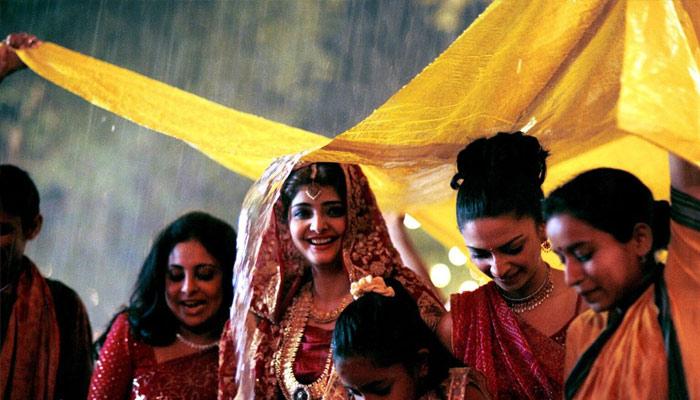
- Jewelry Mapping: Pair every outfit with its exact jewelry set—including necklaces, earrings, maang tikka, nose ring (nath), bangles, waist belt (vaddanam), and toe rings. Photograph each assembled set alongside its corresponding outfit for quick reference by your styling assistants.
- Real Gold vs. Costume Jewelry: Store heirloom gold and precious gemstone pieces in secure, portable lockboxes. Keep fashion or silver-based jewelry packed alongside your attire in soft, cushioned organizer pouches.
- Trousseau Storage Systems: Invest in breathable, clear-front garment bags. Avoid storing heavy silk sarees or embroidered garments in plastic covers that trap moisture and yellow the fabric over time.
5. Day-of Mobility and Emergency Kits
Preparing for unexpected wardrobe mishaps ensures small issues do not disrupt your schedule.
- The Emergency Kit: Assemble a specialized kit containing double-sided garment tape, safety pins of various sizes, extra earring backs, pre-cut moleskin strips for blister prevention, compact scissors, and stain-remover pens.
- Bridal Attendant Assignment: Designate a trusted friend, sister, or cousin to act as your primary bridal assistant. This person holds your phone, manages touch-up supplies, oversees water intake, and assists with garment movement between photo sessions.
How to Prepare as a Bride Step-by-Step
Follow this systematic month-by-month roadmap to ensure every aspect of your preparation stays on track.
[Month 12-8: Sourcing & Skin] ──> [Month 6-4: Outfits & Jewels] ──> [Month 2-1: Trials & Tailoring] ──> [Week 2-0: Packing & Rest]
Step 1: Establish Your Personal Styling Budget and Event Plan
- Outline all multi-day ceremonies (Pellikuthuru, Haldi, Mehendi, Sangeet, Muhurtham, Reception).
- Allocate your personal preparation budget across bridal wear, fine jewelry rentals/purchases, hair and makeup artists, and pre-bridal spa regimens.
Step 2: Book Hair, Makeup, and Draping Artists
- Research artists who specialize in your preferred bridal aesthetic (traditional South Indian classic look, soft glam, or contemporary airbrush finish).
- Secure bookings 6 to 9 months in advance, especially during peak regional wedding seasons (such as the November–February or April–May Muhurtham windows).
Step 3: Purchase Attire and Initiate Custom Tailoring
- Finalize your primary bridal sarees or lehengas 4 to 6 months before the wedding.
- Deliver blouse fabrics to your tailor 2 months before the event date, providing clear reference sketches for neckline depth, sleeve length, and padding preferences.
Step 4: Schedule Makeup Trials and Skincare Milestones
- Complete your makeup trial 60 days prior to finalize your look, foundation shade, and hairstyle.
- Perform all major salon routines (waxing, threading, hair coloring) 4 to 5 days before the first ceremony to allow any minor skin irritation or redness to settle.
Step 5: Execute Final Fitting and Trousseau Packing
- Attend your absolute final outfit trial 10 to 15 days before the wedding day. Walk, sit, and test arm movements in your full ensemble.
- Pack each ceremony’s attire, innerwear, shoes, and jewelry into individually labeled, color-coded garment bags.
Step 6: Assemble the Bridal Emergency Bag and Rest
- Pack your emergency kit with safety pins, touch-up makeup, pain relievers, and hydration packets 3 days before the festivities start.
- Prioritize 8 hours of sleep per night during the final week to keep your skin fresh and energy levels high.
4 Common Myths About Bridal Preparation
Myth 1: “I should get a deep-cleansing facial the day before the wedding for glowing skin.”
Fact: Getting an aggressive facial, extraction, or chemical peel 24 to 48 hours before your event can cause redness, swelling, or unexpected breakouts. Professional estheticians recommend scheduling your final hydrating facial 5 to 7 days before the first event, focusing purely on mild hydration rather than deep exfoliation.
Myth 2: “I need to lose significant weight right before the wedding to look good.”
Fact: Crash dieting in the final month leads to physical exhaustion, dull skin, dark eye circles, and ill-fitting bridal garments. Your blouse and lehenga alterations are tailored to your body measurements 15 days prior; sudden weight loss right before the event can cause skirts to sag and blouses to pucker awkward under heavy jewelry.
Myth 3: “Airbrush makeup always looks heavy and fake compared to HD makeup.”
Fact: Modern airbrush makeup delivers an ultra-thin, sheer layer of pigment that looks natural while offering superior resistance to heat, humidity, and tears. Heavy application is the result of technique rather than the medium itself.
Myth 4: “Safety pins are enough to keep heavy sarees and dupattas in place all day.”
Fact: While safety pins are essential, relying on them alone to bear the full weight of a heavy silk saree or zardozi dupatta can tear delicate fabric. Proper draping relies on strategic fabric tucking, internal waist cords, and weight distribution across the shoulders; safety pins are meant only to secure pleats in place.
Real-World Bridal Preparation Scenarios
Scenario 1: The Multi-Event Telugu Wedding in Hyderabad
- The Context: A bride planning a 4-day wedding sequence in Jubilee Hills—including Pellikuthuru, Mehendi, Sangeet, and a morning Talambralu ceremony—faced a tight 30-minute transition between her morning rituals and afternoon reception.
- The Preparation Solution: During her 1-month milestone window, she organized separate “event pouches” containing pre-pinned petticoats, labeled jewelry boxes, and pre-styled hair accessories for each function. Her draping assistant used these pre-organized kits to complete her saree change in under 20 minutes without missing a photo session.
- Outcome: The bride transitioned smoothly between ceremonies on schedule without feeling rushed or stressed.
Scenario 2: Managing Delicate Skin Ahead of a Summer Wedding
- The Context: A bride prone to sensitive skin and heat-induced redness was preparing for a daytime outdoor Haldi and mandap ceremony in April.
- The Preparation Solution: She consulted a dermatologist 6 months early, avoiding new salon cosmetics during her pre-wedding week. She opted for an airbrush trial using hypoallergenic products and requested a cooling gel facial 6 days prior to her event.
- Outcome: Her skin remained calm and radiant throughout the warm outdoor festivities, with no redness or makeup breakdown.
What to Look for When Finalizing Your Preparations
As your event date approaches, keep these key checks in mind to ensure your preparations run smoothly:
- Verify Vendor Arrival Timelines: Confirm that your makeup artist and drapers are scheduled to arrive 3.5 to 4 hours before your planned photoshoot start time. Hair and makeup for a traditional Indian bride typically takes 2 to 2.5 hours, leaving adequate time for portraits and outfit adjustments.
- Test Blouse Comfort Under Load: When trying on your bridal blouse during final fittings, attach your heavy necklace and earrings. Ensure the neckline does not gape under the weight of the jewelry and that the armholes do not pinch.
- Establish a Dedicated Safe Zone: Assign a secure, locked room at the venue or hotel for storing real gold jewelry, cash gifts, and high-value trousseau items, entrusting the key to a responsible family member.
- Prioritize Hydration and Meals during Getting-Ready Hours: Request that your bridal attendant keeps a water bottle with a straw nearby along with light, non-greasy snacks (such as dry fruits or energy bars) to maintain your stamina during hair and makeup application.
Frequently Asked Questions
How should a bride prepare for her wedding 6 months in advance?
Six months before the wedding, a bride should finalize her bridal makeup artist, purchase primary bridal wear like Kanjeevaram sarees or lehengas, start a dermatologist-approved skincare routine, and begin physical fitness and stress-management practices.
How much does a bridal makeup artist cost in Hyderabad?
In Hyderabad, professional bridal makeup artists typically charge between ₹15,000 and ₹45,000 per main ceremony event for high-definition (HD) or airbrush makeup, with complete multi-event packages ranging from ₹50,000 to ₹1,500,000.
When should the final bridal outfit fitting take place?
The final bridal outfit trial and alteration fitting should happen 10 to 15 days before the wedding date to ensure exact tailoring, accounting for minor weight fluctuations due to stress or diet changes.
What items belong in a bridal emergency kit on the wedding day?
A bridal emergency kit must contain safety pins, double-sided fabric tape, extra earring backs, safety scissors, pain relievers, blister bandages, touch-up powder, lipstick, compact mirror, stain-remover wipes, and mints.
How early should a bride start her pre-bridal salon treatments?
Pre-bridal salon and dermatological routines should begin 3 to 6 months before the wedding day. Major clinical treatments like laser hair removal or chemical peels require several weeks of recovery and must be completed at least one month prior.
How do you pack a bridal trousseau efficiently for multi-day ceremonies?
Pack a bridal trousseau by assigning each event (Pellikuthuru, Mehendi, Sangeet, Muhurtham) its own color-coded garment bag containing the outfit, matching innerwear, footwear, hair accessories, and corresponding jewelry pouches.
What is the difference between airbrush and HD bridal makeup?
HD makeup uses light-diffusing liquid foundations applied with brushes and sponges for a soft, natural finish. Airbrush makeup uses a tiny spray gun compressor to deposit fine silicone-based pigment layers, offering water-resistant durability ideal for humid outdoor ceremonies.
How can a bride manage physical exhaustion during long South Indian rituals?
Brides can manage ritual fatigue by consuming complex carbohydrates and electrolyte drinks during getting-ready hours, wearing comfortable padded footwear under heavy silk sarees, and scheduling short 20-minute rest breaks between morning and evening events.
Preparing for your wedding day is a journey that blends personal care, detailed organization, and clear timelines. By breaking down your skincare, wardrobe, vendor coordination, and trousseau planning into structured monthly milestones, you eliminate last-minute stress and protect your well-being. Armed with this understanding, you are well positioned to navigate your wedding preparations with ease, confidence, and joy.

Leave a Comment