
Table of Contents
Traditional vs Modern Wedding Themes: The Complete Indian Planning Guide
Planning an Indian wedding involves making hundreds of decisions, but few shape your celebration as fundamentally as choosing between traditional vs modern wedding themes. This decision influences everything from your venue choice and floral design to your catering style, guest experience, and overall budget allocation.
For couples planning a celebration in culturally rich cities like Hyderabad, balancing family expectations with personal aesthetic preferences can feel like a delicate tightrope walk. Traditional celebrations honor centuries-old customs with grand temple-inspired architecture, rich marigolds, and sacred ceremonial flows. On the other hand, modern themes lean into minimalist elegance, pastel palettes, interactive guest experiences, and sleek architectural layouts.
This guide breaks down the core differences, costs, design choices, and practical considerations of both approaches. Whether you lean toward classic heritage or contemporary sophistication—or hope to blend both into a seamless fusion celebration—this framework will help you decide what fits your vision best.

Understanding the Difference Between Traditional vs Modern Wedding Themes
When evaluating traditional vs modern wedding themes, the core difference lies in design philosophy, ceremonial structure, and guest experience priorities. Traditional Indian wedding themes focus on cultural heritage, rich warm color palettes, ornate brass and fresh flower decor, and strict adherence to ancestral Vedic rituals. Modern wedding themes prioritize spatial minimalism, subtle or pastel color schemes, contemporary lighting production, and tailored guest interactions designed for comfort and visual elegance.
+---------------------------------------------------------------------------------------------------------+
|                                    QUICK COMPARISON MATRIX                                              |
+----------------------+------------------------------------+---------------------------------------------+
| FACTOR               | TRADITIONAL WEDDING THEMES          | MODERN WEDDING THEMES                       |
+----------------------+------------------------------------+---------------------------------------------+
| Primary Aesthetic    | Temple architecture, brass, gold   | Geometric lines, pastel, acrylic, metallic  |
| Color Palette        | Deep Red, Maroon, Gold, Yellow     | Sage Green, Peach, Ivory, Lilac, Champagne  |
| Key Decor Elements   | Marigolds, Jasmine, Banana Leaves  | Orchids, Pampas Grass, Fabric Draping, LEDs |
| Ceremony Flow        | Priest-led, strict ritual timeline | Streamlined, personalized vows, interactive |
| Seating Style        | Floor seating (Gaddi) or rows      | Lounge setups, circular, banquet seating    |
| Food & Beverage      | Authentic regional thali / buffet  | Live multi-cuisine counters, plated dining  |
| Music & Ambiance     | Shehnai, Nadaswaram, Classical     | Acoustic sets, DJ, customized light shows   |
| Average Decor Budget | High (fresh flower volume dependent)| Moderate to High (production/lighting heavy)|
| Best Suited For      | Multi-generational family events   | Intimate, experiential, contemporary crowds |
+----------------------+------------------------------------+---------------------------------------------+
Traditional Wedding Themes in Depth
A traditional Indian wedding theme is an homage to cultural lineage, sacred iconography, and time-honored rituals. Rather than viewing tradition as rigid, classic themes treat heritage as a canvas of grandeur, warmth, and deeply rooted symbolism.
+---------------------------------------------------------------------------------+
|                       TRADITIONAL WEDDING DESIGN PILLARS                        |
+---------------------------------------------------------------------------------+
| [ Visuals ]    -> Temple Carvings, Antique Brass Urns, Kanjeevaram Motifs       |
| [ Florals ]    -> Fresh Marigolds (Genda), Jasmine (Mallepoolu), Red Roses       |
| [ Palettes ]   -> Kumkum Red, Haridra Yellow, Temple Gold, Royal Emerald       |
| [ Ambiance ]   -> Live Nadaswaram, Brass Diya Lighting, Incense & Camphor        |
+---------------------------------------------------------------------------------+
Visual and Structural Elements
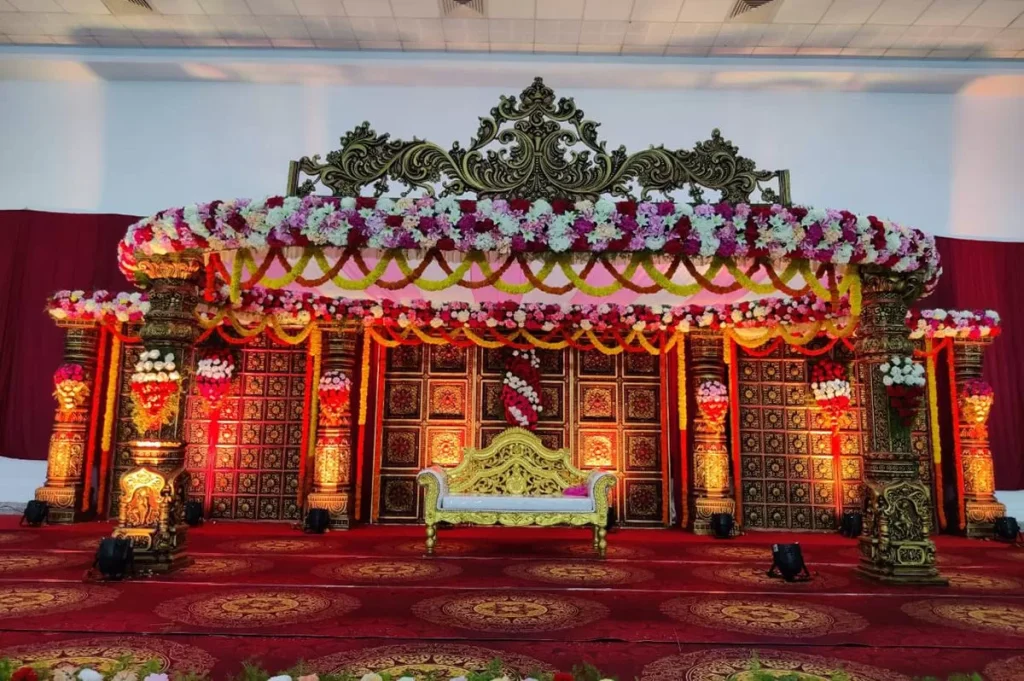
In regions across South India, traditional decor often takes inspiration from Dravidian temple architecture. Mandaps feature carved wooden pillars, elaborate gopuram backdrops, and antique brass vessels (urulis) filled with water and floating blossoms.
Textiles lean heavily into handwoven richness—brocades, raw silk, and raw cotton drapes that mirror classic Kanjeevaram or Banarasi weaves. In Telugu ceremonies, the mandap remains the absolute focal point of the venue, intentionally constructed to give every guest a view of sacred rites like the Jeelakarra Bellam and Talambralu.
Cultural Symbolism and Ceremonial Integration
Every element in a traditional setup carries meaning:
- Marigolds (Genda Phool): Represent prosperity and auspiciousness.
- Banana Stems and Mango Leaves: Symbolize fertility, growth, and everlasting life.
- Brass Lamps (Nanda Deepam): Represent spiritual knowledge and warmth.
The venue flow in a traditional wedding adapts entirely to the priest’s (Purohit) Vedic schedule. High-volume seating, wide aisles for grand processional entries, and proximity to dining areas are prioritizing factors for older family members and extended community guests.
Pros of a Traditional Theme
- Universal Cultural Resonance: Appeals to older generations, relatives, and community elders who value traditional customs.
- Timeless Photography: Heritage motifs and rich color palettes rarely feel dated when reviewing family albums years later.
- Abundant Local Sourcing: Fresh seasonal flowers, brass props, and traditional mandap frames are widely available across major Indian vendor hubs.
Honest Cons of a Traditional Theme
- High Floral Volatility: Relying heavily on fresh local flowers (like jasmine and marigolds) makes decor pricing sensitive to festival-season market rate spikes.
- Visual Congestion: Heavy fabrics, dense floral walls, and intense red-and-gold lighting can sometimes feel overwhelming in smaller indoor banquet halls.
- Rigid Operational Timelines: Ceremonial requirements may limit room for spontaneous entertainment or informal guest mingling.
Modern Wedding Themes in Depth
A modern wedding theme shifts the focus from ancestral symbolism toward contemporary architectural design, personalized guest comfort, and refined aesthetic palettes. It reflects a couple’s individual lifestyle, artistic tastes, and preference for understated elegance.
+---------------------------------------------------------------------------------+
|                         MODERN WEDDING DESIGN PILLARS                           |
+---------------------------------------------------------------------------------+
| [ Visuals ]    -> Clean Lines, Acrylic Structures, Metallic Accents, Mirrors    |
| [ Florals ]    -> Imported Orchids, Hydrangeas, Baby's Breath, Pampas Grass     |
| [ Palettes ]   -> Dusty Rose, Champagne, Sage Green, Monochromatic White        |
| [ Ambiance ]   -> Architectural Uplighting, Moving Head Lights, Chillout Lounge |
+---------------------------------------------------------------------------------+
Visual and Structural Elements
Modern themes replace heavy wooden frameworks with sleek metallic trusses, transparent acrylic mandaps, and open-air geometric structures. Instead of dense floral walls, modern design utilizes negative space, dramatic drapery falls, and strategic lighting arrays.
Color schemes move away from primary reds and golds toward sophisticated muted tones: dusty rose, sage green, champagne, soft lilac, and crisp ivory.
Technology and Guest Experience Integration
Modern themes treat lighting and sound as core decorative elements rather than technical add-ons.
- Intelligent Lighting: Warm-toned spotlights, architectural uplighting, and pin-spots bring focus to individual tables and stage backdrops without washing out the room.
- Experiential Seating: Traditional theater-style seating gives way to curved lounge sofas, cocktail tables, and interactive seating clusters that encourage conversation.
- Curated Dining: Long communal banquet tables or curated live culinary stations replace standard static buffet lines.
Pros of a Modern Theme
- High Design Personalization: Allows couples to tailor colors, signage, and layouts to mirror their personal story.
- Spatial Comfort: Open layouts, spacious lounge seating, and subtle color palettes create a relaxed atmosphere for guests.
- Photogenic Lighting Control: Modern lighting setups give cinematographers precise control over shadows, highlights, and skin tones.
Honest Cons of a Modern Theme
- Higher Production Costs: Importing out-of-season blooms (like Dutch roses or hydrangeas) and renting specialized acrylic structures can increase decor budgets quickly.
- Generational Hesitation: Traditional relatives may find ultra-minimalist mandaps or non-traditional color schemes lacking in festive warmth.
- Requires Precise Technical Execution: Minimalist designs leave little room for error; uneven drapery or poor lighting alignment is instantly noticeable.
Who Should Choose a Traditional Wedding Theme?
Choosing a traditional theme works exceptionally well in specific family, social, and cultural contexts.
+-----------------------------------------------------------------------------------+
|               SCENARIOS THAT FAVOR A TRADITIONAL WEDDING THEME                    |
+-----------------------------------------------------------------------------------+
| 1. Large Multi-Generational Guest Lists (600+ Guests)                             |
| 2. Ceremonies Deeply Centered Around Detailed Vedic Rites                         |
| 3. Venues with Heritage Architecture (Palaces, Classic Convention Centers)       |
| 4. Families Seeking Strong Alignment with Cultural Roots & Community Norms        |
+-----------------------------------------------------------------------------------+
Scenario A: Large, Multi-Generational Celebrations
If your guest list exceeds 600 guests and includes extended family, community leaders, and elders from across different regions, a traditional setup provides a familiar, welcoming environment. The visual cues—marigold entry gates, classical music, and traditional dining—create an immediate sense of celebratory warmth that older generations appreciate.
Scenario B: Ceremonies Driven by Heritage Architecture
When hosting an event at a venue with existing heritage features—such as historic palaces, traditional courtyards, or classic South Indian convention halls—a traditional theme works in harmony with the environment. Trying to force a modern minimalist aesthetic into a richly detailed wooden or stone hall can create visual conflict.
Who Should Choose a Modern Wedding Theme?
Modern wedding themes serve couples with specific priorities around scale, ambiance, and personal expression.
+-----------------------------------------------------------------------------------+
|                 SCENARIOS THAT FAVOR A MODERN WEDDING THEME                       |
+-----------------------------------------------------------------------------------+
| 1. Intimate to Mid-Sized Gatherings (100 to 350 Guests)                           |
| 2. Destination or Resort Weddings (Boutique Lawns, Beachfronts, Rooftops)        |
| 3. Multi-Cultural or Cross-Regional Couples Blending Traditions                   |
| 4. Celebrations Prioritizing Socializing, Dancing, and Contemporary Entertainment |
+-----------------------------------------------------------------------------------+
Scenario A: Intimate, Guest-Centric Gatherings
For couples planning a smaller gathering of 150 to 300 guests, a modern theme allows you to focus on guest comfort. You can invest in lounge seating, personalized favors, and interactive dining experiences that would be cost-prohibitive for a 1,000-person event.
Scenario B: Destination and Open-Air Resort Venues
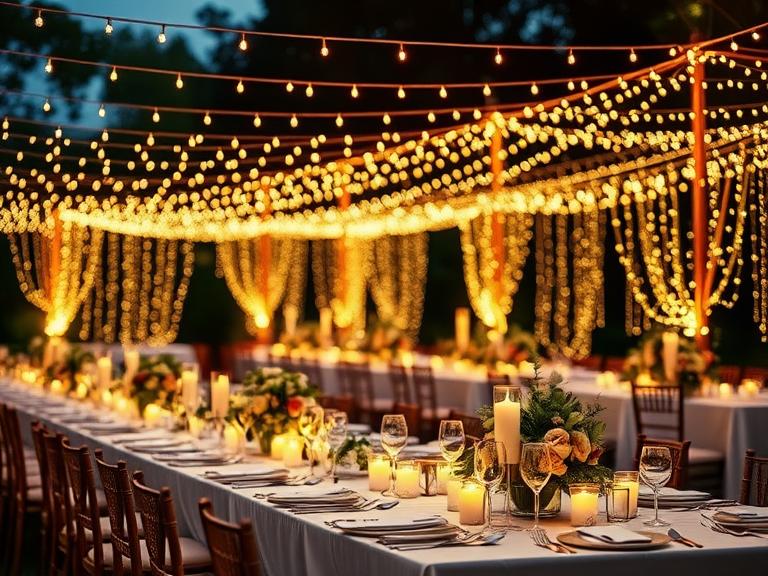
If your venue is an open-air lawn, a glasshouse, or a contemporary boutique resort, a modern theme works naturally with the environment. Clean lines, soft pastel drapes, and ambient string lights complement natural green landscapes without overpowering them.
The Fusion Approach: Blending Tradition with Modernity
You don’t always have to pick one side. Many contemporary Indian weddings successfully blend traditional ritual significance with modern production standards.
+---------------------------------------------------------------------------------+
|                       POPULAR FUSION BLEND STRATEGIES                           |
+---------------------------------------------------------------------------------+
| [ Strategy 1: Event-Wise Segregation ]                                         |
|   * Traditional Setup -> Haldi, Mehendi, & Pelli / Main Muhurtham               |
|   * Modern Setup       -> Cocktail Night, Sangeet, & Evening Reception          |
|                                                                                 |
| [ Strategy 2: Hybrid Single-Event Design ]                                      |
|   * Mandap Structure  -> Modern clear acrylic or sleek metallic frame          |
|   * Floral Detailing  -> Traditional fresh jasmine garlands & marigold weaves  |
+---------------------------------------------------------------------------------+
Event-Wise Segregation
The simplest way to balance both worlds is to assign themes by function across a multi-day itinerary:
- Haldi & Mehendi: Traditional or bright folk themes using local florals, brass props, and festive yellow-green palettes.
- Pelli / Main Ceremony: Traditional temple-style or classical floral mandap focused on sacred ritual needs.
- Sangeet & Reception: Fully modern setup featuring custom stage trussing, LED screens, pastel or jewel-toned lounge seating, and contemporary lighting.
Hybrid Single-Event Styling
If you want to blend themes within a single event, focus on mixing structural materials with organic elements. For example, construct a mandap using clean, modern acrylic pillars, but drape the inner canopy with traditional white jasmine strands (mallepoolu) and red roses. This maintains traditional ritual sacredness while giving the overall space a light, modern aesthetic.
Questions to Ask Before Deciding on Your Theme
To narrow down your choice, go through these five evaluative questions with your partner and families:
+-----------------------------------------------------------------------------------+
|                        5-STEP THEME EVALUATION CHECKLIST                          |
+-----------------------------------------------------------------------------------+
| 1. What are the natural architectural features of our chosen venue?              |
| 2. How many guests are attending, and what is the demographic makeup?             |
| 3. What is our overall decor and technical production budget?                    |
| 4. Which specific rituals are non-negotiable for our families?                   |
| 5. How do we want the event to feel in photos and video 10 years from now?        |
+-----------------------------------------------------------------------------------+
1. Does the Venue Complement or Fight the Theme?
Look at the venue’s carpet patterns, wall textures, ceiling height, and lighting fixtures. A high-tech hotel ballroom naturally supports modern production, whereas an open courtyard or heritage hall naturally suits traditional styling.
2. What Is the Primary Demographic of the Guest List?
If over 60% of your guest list consists of extended family and older relatives, incorporating strong traditional elements ensures they feel comfortable. If your guest list is mostly friends and colleagues, a modern, experience-focused setup may feel more engaging.
3. How Does the Choice Impact the Overall Budget?
Traditional themes can often lower structural fabrication costs by using standard wooden or truss frames, but fresh flower costs can scale quickly. Modern themes often reduce fresh flower volume by using fabric and lighting, but require higher investments in rental furniture, acrylics, and specialized lighting rigs.
4. How Flexible Are the Sacred Ceremonial Requirements?
Consult with your family priest (Purohit) regarding mandap dimensions, fire safety (Havan Kund clearance), and seating space for rituals. Ensure your chosen design—whether traditional or modern—accommodates these requirements comfortably.
5. What Execution Support Is Available Locally?
Evaluate local vendor capabilities in your event city. When comparing vendor quotes or evaluating full-service event teams, look for planners who can show real portfolio examples of both traditional floral builds and modern production setups. Reviewing transparent, itemized breakdowns makes it much easier to balance decor costs against technical setup fees.
Frequently Asked Questions
Which wedding theme is more cost-effective: traditional or modern?
A traditional theme is often more cost-effective for medium-scale events when using locally sourced, in-season flowers like marigolds and standard structural setups. Modern themes can become more expensive if they rely heavily on imported flowers, custom acrylic fabrication, or complex lighting rigs. However, a minimalist modern theme that uses clever drapery and lighting in place of dense florals can be budget-friendly.
Can we host a traditional ceremony in a modern 5-star hotel ballroom?
Yes. Hotel ballrooms offer clean, flexible bases that accommodate traditional mandaps easily. To make a traditional setup work in a modern room, use warm-toned lighting, traditional fabric draping, and brass props to soften the contemporary interior of the venue.
How do I convince my family to approve a modern, non-traditional color palette?
Start by showing 3D visual renders or mood boards rather than describing the concept verbally. Reassure your family that essential sacred elements—like the fire pit, ritual items, and priest’s seating—will remain fully authentic, even if the surrounding decor uses neutral, pastel, or modern tones.
What are the best colors for a fusion wedding theme?
Ivory, blush pink, and antique gold form an excellent foundation for a fusion theme. They bridge the gap between traditional Indian festivity and modern understated elegance, pairing well with both fresh red roses and modern metallic accents.
How far in advance should we finalize our wedding theme?
You should finalize your overarching theme 4 to 6 months before the wedding date. Securing your theme early allows your decor team to draft 3D concepts, reserve specific structural props, and source seasonal florals before peak market demand drives up costs.
What is the most common mistake couples make when choosing a theme?
The most common mistake is choosing a theme that conflicts directly with the venue’s natural architecture—such as attempting an ultra-minimalist industrial setup inside a heavily carved, traditional banquet hall. Another common issue is over-decorating small spaces, which restricts guest movement and hides key architectural details.
Is it necessary to hire a professional planner to execute a modern wedding theme?
While simple traditional setups can often be managed directly with local floral decorators, modern themes often require precise technical management—including truss engineering, lighting programming, and custom fabrication. Working with an experienced planning team helps ensure that modern technical details are executed safely and seamlessly.
How does lighting differ between traditional and modern wedding setups?
Traditional lighting focuses on warm, static illumination using halogen fixtures, Edison bulbs, and natural candle or oil-lamp flame profiles. Modern lighting relies on dynamic LED setups, automated moving-head fixtures, sharp spotlights, and architectural uplighting designed to highlight specific textures and colors.
Making the Final Decision
Choosing between traditional vs modern wedding themes ultimately comes down to understanding your priorities as a couple and honoring what matters most to your families.
Traditional themes offer deep cultural connection, familiar warmth, and timeless ceremonial beauty. Modern themes provide clean aesthetics, high personalization, and contemporary guest comfort. By evaluating your venue, guest list, budget, and personal style, you can select a direction that feels authentic, visually stunning, and memorable for everyone involved.




Leave a Comment