

Table of Contents
How Much Money Is Enough for Marriage? The Complete Budget & Planning Guide
Determining how much money is enough for marriage is one of the most critical financial and logistical questions couples and families face when planning an event. In India and around the globe, wedding expenditures can vary from modest court registrations costing a few thousand rupees to grand multi-day celebrations running into several crores. Without a structured financial framework, wedding expenses can quickly spiral due to unmonitored vendor add-ons, guest list expansion, and last-minute production changes.
Understanding how much money is enough for marriage requires distinguishing between legal marriage expenses and wedding event production costs. Whether you are hosting an intimate family gathering or a multi-day celebration across luxury venues in Hyderabad, establishing a clear budget strategy ensures you deliver a memorable experience without compromising long-term financial stability.
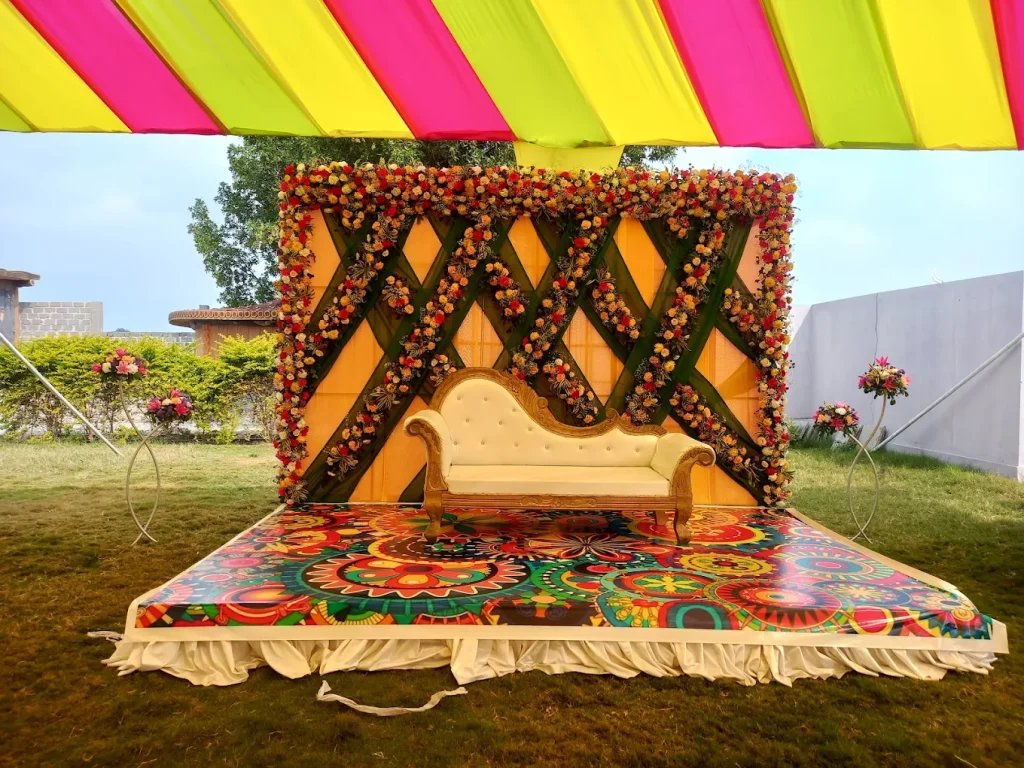
What Is a Realistic Marriage Budget?
A realistic marriage budget is a comprehensive financial framework that allocates funds across venue rentals, catering, decor production, attire, photography, guest hospitality, and legal registration fees. It balances personal savings and family contributions against total guest count and event scale to prevent debt while delivering an exceptional guest experience.
Why Establishing a Marriage Budget Matters
Establishing a clear financial boundary before locking in venues or issuing vendor retainers provides essential structural benefits for couples and family coordinators alike.
- Prevents Financial Strain: Setting strict budget caps protects your post-wedding savings, emergency funds, and long-term financial goals like buying a home or investing.
- Streamlines Vendor Sourcing: Knowing your precise allocation for catering, venue rentals, and decor allows you to issue targeted Requests for Proposals (RFPs) to suppliers whose pricing fits your parameters.
- Eliminates Interpersonal Conflict: Clear financial boundaries establish shared expectations between couples, families, and planners early in the decision-making process.
How to Calculate How Much Money Is Needed for Marriage
Determining your required wedding allocation involves a six-step financial auditing process that translates event vision into hard figures.
┌─────────────────────────────────────────────────────────────┐
│              WEDDING BUDGET CALCULATION STEPS               │
├─────────────────────────────────────────────────────────────┤
│ 1. Audit Liquid Funds & Financial Contributions             │
│ 2. Set an absolute Guest Count Baseline                     │
│ 3. Allocate Funds via Core Cost Ratios (40/25/15/10/10)     │
│ 4. Evaluate Venue & Municipal Infrastructure Costs          │
│ 5. Build a Mandatory 10-15% Contingency Reserve             │
│ 6. Review Line-Item Vendor Contracts & Tax Liabilities      │
└─────────────────────────────────────────────────────────────┘
1.Audit Available Capital and Contributions:Step 1.
Calculate total liquid savings dedicated exclusively to the wedding without dipping into essential emergency funds. Add confirmed, unconditional financial contributions from family members.
2.Define Guest Count Tiers:Step 2.
Establish a strict guest count threshold. Because per-plate catering and spatial venue fees drive up to 60% of overall costs, guest headcount directly dictates total budget requirements.
3.Apply the Core Ratio Model:Step 3.
Distribute total funds across major categories: 40% for Catering and Venue, 25% for Decor and Production, 15% for Photography and Entertainment, 10% for Attire and Jewelry, and 10% for Contingencies.
4.Assess Location and Logistics Costs:Step 4.
Evaluate venue charges, including hidden items like generator fuel, AC meter units, sound NOC permits, and valet parking logistics.
5.Establish a Contingency Buffer:Step 5.
Reserve 10% to 15% of your total liquid funds for unpredicted expenses, such as seasonal floral price spikes, last-minute guest additions, or inclement weather modifications.
6.Audit Vendor Line Items and Taxes:Step 6.
Review supplier quotes line-by-line to verify whether figures include GST (typically 18% for event services and catering), delivery logistics, and overtime crew surcharges.
Marriage Cost Variations: A Tiered Comparison
The total financial outlay required for marriage depends heavily on venue choice, guest list size, and decor scale. The table below outlines typical budget brackets across the Indian event market.
| Marriage Scale / Tier | Guest Range | Primary Cost Elements | Typical Budget Range |
| Court Marriage / Intimate Registration | 10 – 50 Guests | Special Marriage Act legal fees, intimate dining, basic attire, minimal floral styling. | ₹25,000 – ₹1,50,000 |
| Boutique Intimate Wedding | 100 – 250 Guests | Mini banquet hall or farmhouse, traditional floral decor, quality buffet catering, local photography. | ₹5,00,000 – ₹15,00,000 |
| Standard Multi-Day Celebration | 300 – 800 Guests | Premium convention center, thematic decor, multi-cuisine catering, professional AV & lighting, full photography team. | ₹20,00,000 – ₹50,00,000 |
| Luxury / Destination Wedding | 800 – 1,500+ Guests | 5-star hotel or heritage palace, imported floral production, guest lodging/transports, celebrity artists, bespoke planning. | ₹75,00,000 – ₹3,00,000,00+ |
Strategic Value & Real-World Budget Optimizations
Achieving maximum visual and experiential impact without overspending requires applying smart industry strategies:
1. Spatial Layout and Lighting Density
Rather than spending heavily on dense floral walls across massive convention halls, invest in strategic warm ambient lighting and gobo projections. Lighting covers large structural volumes at a fraction of the cost of fresh floral installations.
2. Sourcing Local and Seasonal Flora
Fresh flower costs fluctuate based on market demand. Swapping imported blooms (like Dutch tulips or South American roses) for vibrant local varieties (like marigolds, tuberoses, and local carnations) cuts floral production budgets by up to 40%.
3. Consolidated Multi-Event Venue Booking
Booking the same venue or property for back-to-back functions (e.g., Haldi, Mehendi, and Sangeet) gives you leverage to negotiate bundled facility rentals, reduced security deposits, and lower vendor setup fees.
Common Budget Myths and Planning Mistakes
Myth 1: “A Larger Guest List Doesn’t Materially Change Fixed Costs.”
Rebuttal: Every additional guest incurs compound costs—increasing per-plate catering fees, table rentals, floral centerpieces, invitation suites, and bar consumption. Adding 50 guests can inadvertently raise total costs by ₹1,00,000 to ₹2,50,000.
Myth 2: “In-House Hotel Decor is Always Cheaper Than External Planners.”
Rebuttal: Hotels often charge standardized package rates for in-house decor that include significant markups. Independent planners can often source custom production through direct wholesale channels at more competitive prices.
Myth 3: “Diy Decor Saves Significant Amounts of Money.”
Rebuttal: While DIY projects sound economical, sourcing materials at retail rates, managing transport, and placing execution pressure on family members on event day often leads to higher stress and unexpected replacement costs.
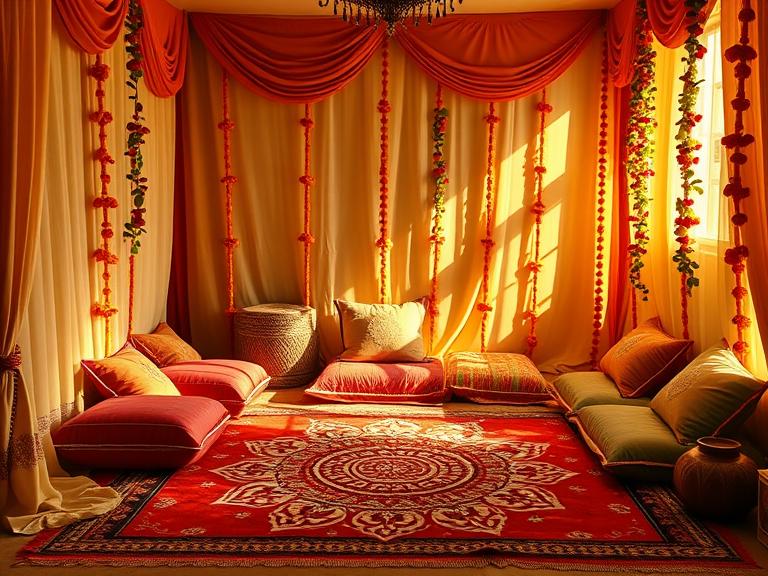
Practical Scenarios: Financial Planning in Action
Scenario A: The 300-Guest Modern Hyderabad Wedding
- Total Available Capital: ₹25,00,000.
- Allocation Strategy: The couple selects a well-appointed banquet hall in Vanasthalipuram to eliminate separate AC and generator fees. They allocate ₹10,00,000 to catering (₹1,200/plate for 300 guests across 2 functions), ₹6,00,000 for hybrid silk/fresh floral decor production, ₹3,00,000 for photography/videography, ₹3,50,000 for attire and jewelry, and keep ₹2,50,000 as a contingency buffer.
- Outcome: The event stays strictly within budget while delivering high visual and culinary quality.
Scenario B: The Intimate Farmhouse Destination Gathering
- Total Available Capital: ₹12,00,000.
- Allocation Strategy: The family rents a private farmhouse in Moinabad for 48 hours for 120 close guests. By combining accommodation, Haldi, and main ceremony at one site, they save on transport logistics and venue hops, allocating ₹4,50,000 to specialized local catering and ₹3,00,000 to eco-stylist decor utilizing potted greenery and ambient fairy lights.
- Outcome: A relaxed multi-day experience executed at half the cost of a formal city hotel wedding.
How Much Does a Marriage Cost in Hyderabad?
In Hyderabad’s dynamic event market, venue choice, catering style, and location significantly influence your final spend.
| Event Type | Guest Capacity | Recommended Location / Venue Type | Estimated Overall Cost |
| Intimate Heritage Ritual | 50 – 150 Guests | Traditional hall or courtyard in Himayatnagar / Old City | ₹3,00,000 – ₹8,00,000 |
| Modern Mid-Scale Celebration | 250 – 500 Guests | Convention center in LB Nagar / Nagole / Vanasthalipuram | ₹12,00,000 – ₹30,00,000 |
| Grand Luxury Wedding | 800 – 1,500+ Guests | 5-Star Hotel / Resort in Gachibowli / Shamshabad / Moinabad | ₹50,00,000 – ₹1,50,000,00+ |
Frequently Asked Questions
What is a reasonable minimum budget for a decent wedding in India?
A simple, respectful wedding with 100 to 150 guests at a local banquet hall or temple facility typically requires between ₹3,00,000 and ₹6,00,000. This covers fundamental catering, basic traditional floral decor, photography, and essential attire.
What percentage of a wedding budget should go to catering?
Catering generally represents the single largest expenditure line item, accounting for 30% to 40% of the overall event budget. Securing a per-plate pricing model that includes live counters and beverages helps keep overall spending predictable.
How can couples reduce wedding expenses without sacrificing quality?
To lower costs effectively, trim guest lists into tighter tiers, opt for off-peak wedding months (like July, August, or September), utilize hybrid silk-and-fresh floral production, and hold multiple functions at the same venue to save on setup logistics.
Is it better to take a personal loan for wedding expenses?
Financial advisors strongly discourage taking high-interest personal loans to fund weddings. It is best to plan celebrations strictly within existing liquid savings to avoid entering married life with burdensome debt.
How do seasonal Muhurtham dates affect overall costs in Hyderabad?
During peak Muhurtham dates (especially in November, December, February, and May), venue rental rates, decor labor costs, and wholesale flower prices can increase by 20% to 50% due to high market demand.
What hidden costs are most frequently overlooked in wedding planning?
Overlooked costs frequently include statutory municipal NOC sound permissions, generator fuel surcharges, venue AC electricity meters, food tasting fees, vendor meal allowances, valet parking attendants, and 18% GST on service contracts.
How much should be kept aside as a contingency buffer?
It is best practice to set aside 10% to 15% of your master budget in an uncommitted reserve fund. This covers last-minute guest additions, unexpected weather modifications, or emergency logistical adjustments.
Who typically pays for what in modern wedding planning?
While traditional customs varied, modern couples and families increasingly split overall event expenses equally, or divide financial responsibility by specific events (e.g., one family hosting the Sangeet while the other hosts the Reception).
Plan Your Wedding Budget with Confidence
Navigating wedding costs requires balancing personal aesthetics with practical financial planning. Knowing how much money is enough for marriage allows you to make informed decisions and secure quality vendors without overextending your resources.
At Prashasta Events, we help families and couples build transparent, structured event plans that maximize visual impact while respecting defined budgets. From venue sourcing to complete production oversight, our team ensures every rupee is spent effectively.
Ready to build a clear financial and operational blueprint for your event? Explore our services or book a consultation with our strategy team today.



Leave a Comment