
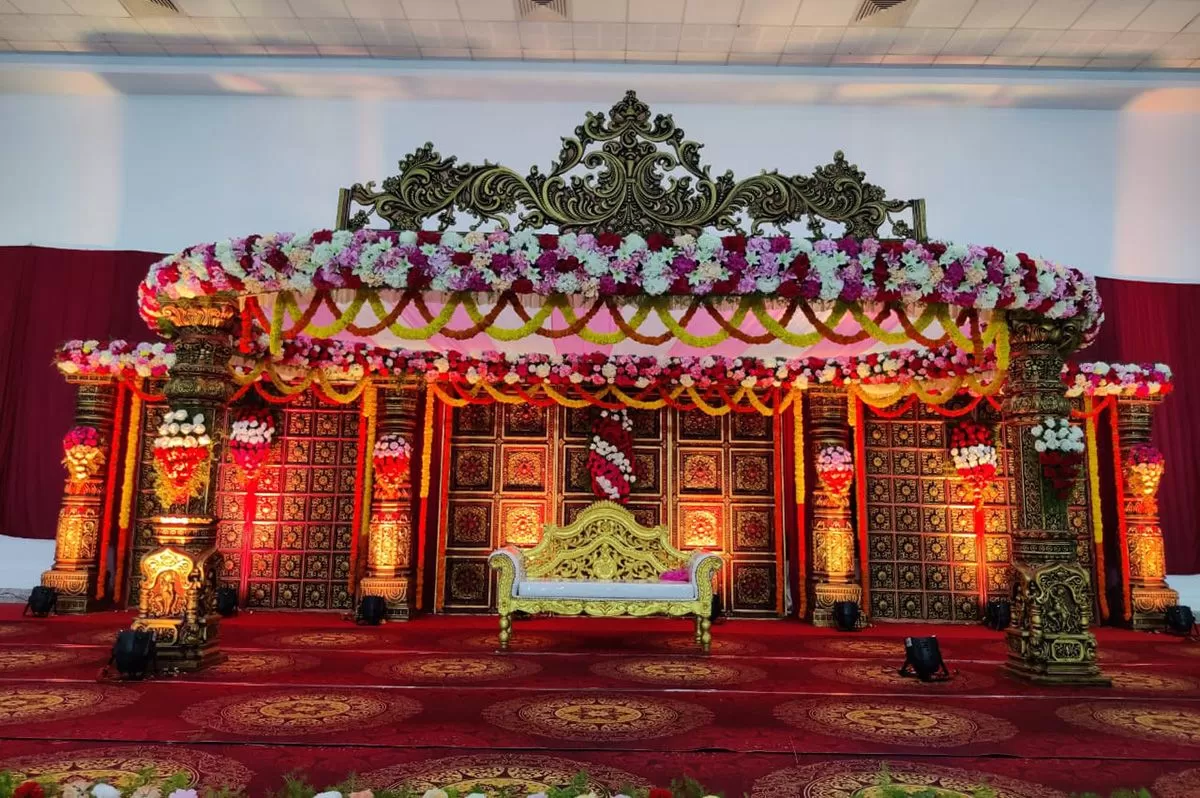
Table of Contents
How to Plan a Traditional Telugu Wedding
Planning a multi-day South Indian marriage celebration requires a delicate balance of deep cultural reverence and rigorous logistical coordination. From securing the ideal auspicious muhurtham (timings) to managing complex guest flows across distinct pre-wedding and wedding-day rituals, the scope of work can easily overwhelm even organized families.
As premier event architecture strategists, we understand that these celebrations are far more than beautiful aesthetic gatherings. They are highly intricate, sequence-driven productions where spiritual customs dictate the logistical flow.
Whether you are a couple executing your dream vision, an out-of-state coordinator navigating South Indian customs, or a corporate-level planner structuring a large-scale hospitality matrix, this master blueprint provides actionable insights. Here is exactly how to plan a traditional Telugu wedding with absolute operational precision, zero downtime, and complete cultural authenticity.
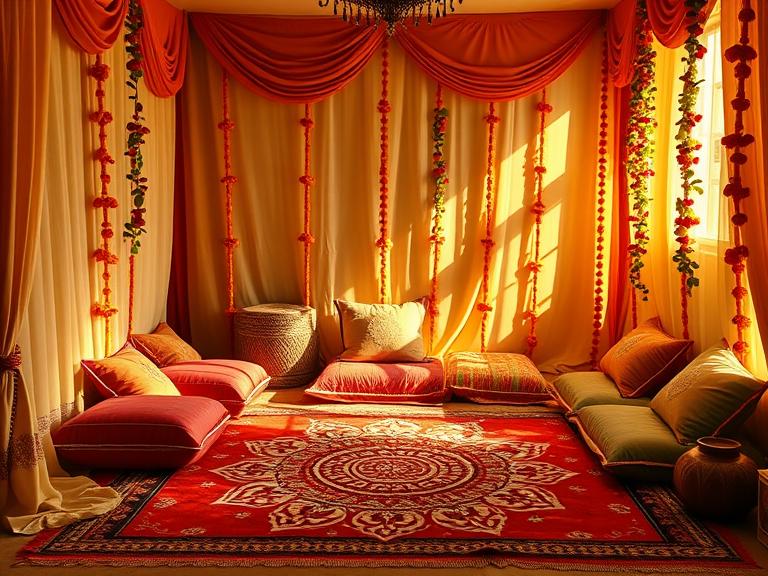
What is a Traditional Telugu Wedding?
A traditional Telugu wedding is a culturally rich, multi-day marriage celebration native to the Telugu-speaking regions of Andhra Pradesh and Telangana. Governed by ancient Vedic customs, it features distinct pre-wedding, wedding-day, and post-wedding rituals that symbolize spiritual unity, familial bonding, and societal respect through highly specific, time-bound ceremonial acts.
Why Strategic Planning is Critical for Telugu Weddings
Operating without a structured timeline or production brief in this niche leads to ballooning vendor budgets, exhausted families, and missed ritual windows. Here is why an analytical approach to planning adds immense value to the celebration.
Safeguarding Strict Auspicious Windows
Unlike Western events where timelines can flex, Telugu rituals are anchored to a non-negotiable muhurtham—the exact astrologically calculated minute a bond is sealed. If your Jeelakarra Bellam (core ritual) is set for 11:22 PM, your hair and makeup, transport, photography lighting setups, and priest cues must peak simultaneously at 11:00 PM. Expert planning eliminates the backstage chaos that threatens these precise spiritual windows.
Seamless Multi-Day Hospitality Frameworks
A standard celebration spans two to three days, often distributed across various venues: the bride’s home, the groom’s home, and a central convention hall. Managing guest logistics across these shifts requires a centralized hospitality hub. Professional planning ensures proper catering scaling, consistent guest transport, and flawless room block turnarounds between morning and evening functions.
Precise Vendor Allocation and Budget Control
Without an itemized structural budget, spending on high-end floral design and heavy silk wardrobes can easily drain resources needed for vital infrastructure like high-capacity air conditioning, valet networks, and sound systems. Strategic sourcing balances cultural aesthetics with functional venue operations.
How to Plan a Traditional Telugu Wedding: Step-by-Step Production Guide
Executing an authentic Telugu wedding requires a structured breakdown of phases. This operational sequence keeps your vendor teams aligned from day one.
Phase 1: The Foundations (6 to 12 Months Out)
- Consult the Siddhanti (Astrologer): Before signing venue contracts, both families must provide birth charts to an experienced priest or astrologer to secure the Muhurtham. This yields the exact dates and times for the primary wedding, Pellikuturu, and Pellikoduku ceremonies.
- Establish the Spatial Budget Matrix: Group your expenses into three major pillars: Hospitality/Venues (45%), Production/Decor (35%), and Wardrobe/Jewelry/Catering (20%).
- Lock the High-Capacity Venue: Traditional weddings frequently host between 500 and 2,500 guests. Prioritize air-conditioned convention centers or luxury star-property ballrooms featuring expansive outdoor spaces for morning rituals and massive indoor halls for main dining.
Phase 2: Pre-Wedding Ritual Coordination (1 to 3 Months Out)
- The Nischitartham (Formal Engagement): Coordinate a structured catering menu featuring authentic regional delicacies like Pootharekulu alongside modern live stations. Establish a dedicated stage area for gifts and jewelry exchange.
- Pellikuturu and Pellikoduku (Bridal/Groom Making): These ceremonies usually happen simultaneously at respective family homes or smaller banquet spaces. Logistics must account for heavy turmeric usage (Nalugu), requiring easily cleanable flooring, specific brass vessels, and distinct traditional music setups (Nadaswaram).
Phase 3: The Wedding Day Master Sequence
The wedding day itself is an intense production. The table below outlines the core milestones that must be integrated into your master floor plan:
| Ritual Stage | Core Meaning & Operational Requirement | Typical Time Window |
| Mangala Snanam | Ceremonial holy bath for the bride and groom at dawn. Requires outdoor/wet-zone venue access and immediate changes into initial ritual attire. | 4:00 AM – 6:00 AM |
| Gauri/Ganesha Puja | The bride prays to Goddess Gauri; the groom performs Ganesha Puja to clear obstacles. Requires two distinct, fully propped sub-stages. | 1 Hour Before Muhurtham |
| Bride’s Grand Entry | Traditionally carried in a bamboo basket (Gampa) by her maternal uncles. Requires wide, unobstructed aisle-ways and clear coordination with the cinematography team. | 30 Mins Before Muhurtham |
| Jeelakarra Bellam | The absolute core ritual where a paste of cumin and jaggery is placed on each other’s heads. This must land exactly on the Muhurtham minute. | Exact Muhurtham Time |
| Kanyadanam | The formal giving away of the bride by her parents. Requires comfortable seating arrangements on the main mandapam for elderly family members. | Immediately Post-Muhurtham |
| Madhuparkam | The couple changes into fresh white cotton attire with red/yellow borders. Requires a dedicated, nearby green room with quick-assisted wardrobe styling teams. | Mid-Ceremony Transition |
| Talambralu | A celebratory ritual where the couple showers each other with turmeric-stained rice. Requires high-speed cameras, clean spotlighting, and ample raw materials. | 45 Mins Post-Muhurtham |
Structural Variations of Telugu Celebrations
Depending on family preferences, regional origins, and ancestral traditions, Telugu weddings generally follow one of two logistical styles.
The Traditional Multi-Day Residential Style
This format spaces out ceremonies over three distinct days. It minimizes venue-switch stress but requires meticulous home-base coordination. Decorators must install temporary structures at family residences, and planners must deploy round-the-clock catering services for rotating house guests.
The Compressed Single-Venue Convention Style
Popular in metropolitan hubs like Hyderabad, Vizag, and Bangalore, this model fits all major events into a 24-to-36-hour window inside a luxury convention center. While highly cost-effective for logistics and venue rentals, it requires tightly controlled room turnarounds, disciplined vendor scheduling, and fast transition management from morning rituals to evening receptions.
Strategic Value of Professional Event Production
Attempting to coordinate an authentic Telugu wedding using standard event templates often leads to friction. Bringing on a dedicated event management specialist unlocks several operational advantages.
                  ┌──────────────────────────────┐
                  │   Central Production Hub     │
                  └──────────────┬───────────────┘
                                 │
         ┌───────────────────────┼───────────────────────┐
         ▼                       ▼                       ▼
┌─────────────────┐     ┌─────────────────┐     ┌─────────────────┐
│ Hospitality     │     │ Culinary        │     │ Ritual Timing   │
│ 2,000+ Guests   │     │ 3 Distinct Menus│     │ Muhurtham Cues  │
│ Room Blocks     │     │ Regional Sweets │     │ Priest Alignment│
└─────────────────┘     └─────────────────┘     └─────────────────┘
Advanced Crowd and Space Management
Managing a crowd of over 1,500 people requires professional floor planning. Experienced strategists map out separate entries for general guests and VIPs, organize zoned seating allocations, and design high-throughput buffet layouts to prevent long lines and gridlock during peak dining hours.
Specialized Sourcing Networks
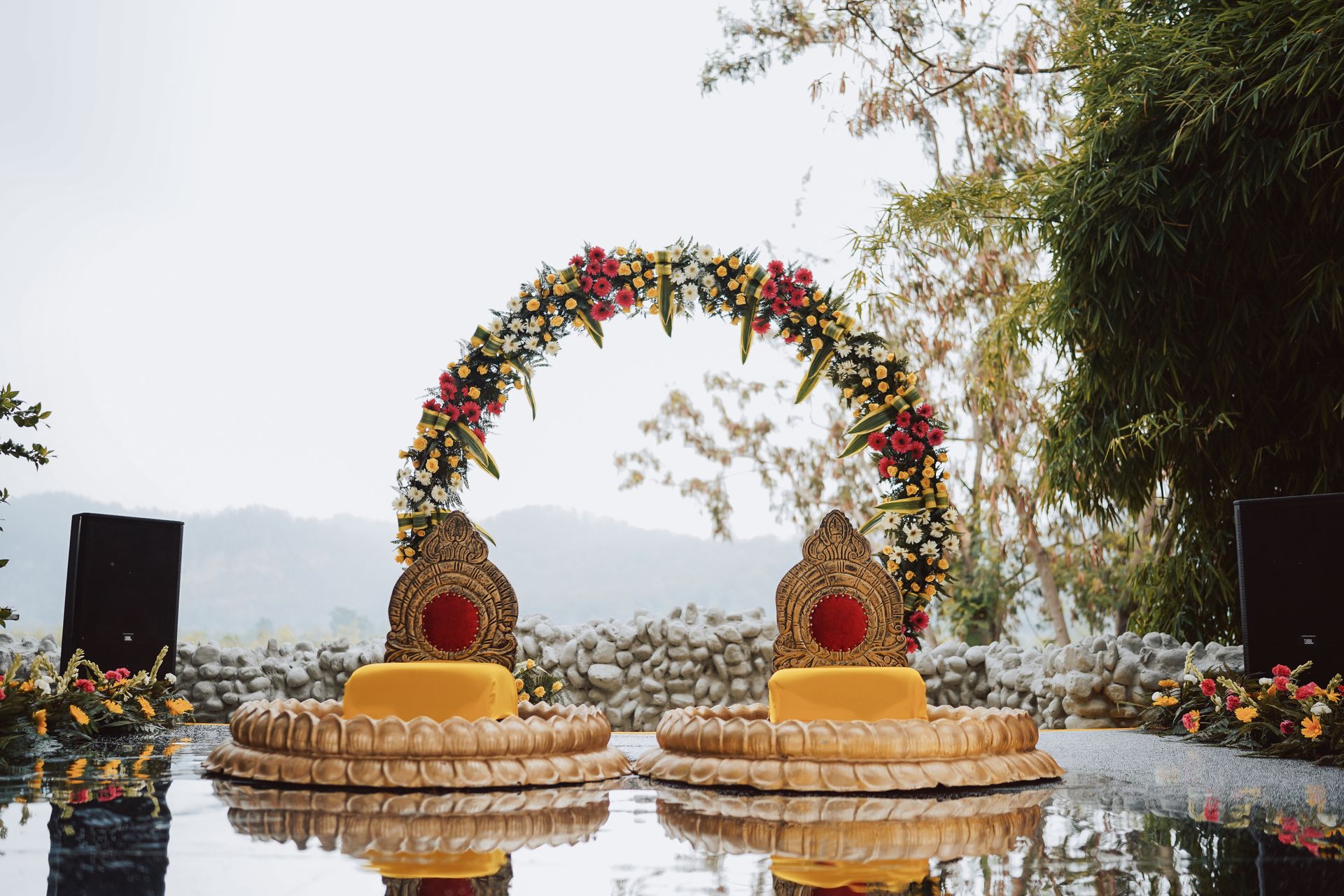
Professional event planners have direct access to specialized artisan networks. This includes sourcing high-grade, unadulterated Jeelakarra (cumin) and Bellam (jaggery), booking highly respected Vedic priests who understand specific family sub-lineages, and contracting expert floral designers skilled in authentic leaf-weaving (Ashta Lakshmi backdrops).
Coordinated Technical and Creative Production
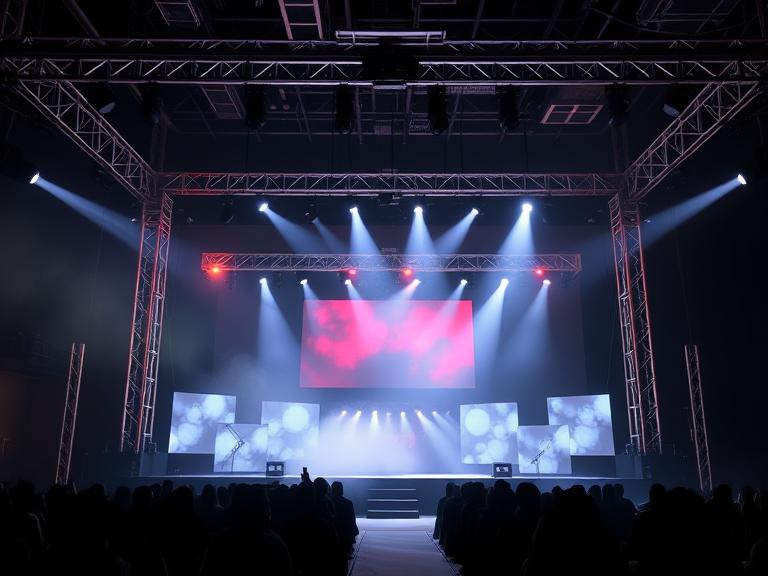
An elite planner aligns your decor, audio-visual, and photography teams under one unified production brief. This guarantees that lighting rigs enhance the natural red and gold tones of traditional Kanchipuram silk sarees without washing out faces, and ensures that the sound system delivers crisp, feedback-free audio of the priest’s mantras to every corner of the venue.
Common Planning Mistakes to Avoid
Over our years managing large-scale celebrations, we have identified three common operational errors that can derail an event.
Critical Operational Warning: Never book a venue based solely on its main hall seating capacity. Always inspect the kitchen facilities, backup generator capacity (minimum 125 KVA required for heavy production lighting), and the number of functioning green rooms attached to the main stage.
- Underestimating Saree Change Downtime: A Telugu bride typically changes her saree two to three times during the core wedding rituals. If your planning timeline only allocates 10 minutes per change, your master schedule will run late. Budget a realistic 20 to 25 minutes per transition, and ensure an experienced draper is stationed inside the green room.
- Failing to Track the Live Guest Count: Because Telugu weddings are community-centric celebrations, actual attendance often exceeds formal RSVP lists by 15% to 25%. Always contract your caterer with a flexible scaling clause that allows for rapid food replenishment without compromising quality or service speed.
- Neglecting the Priest’s Technical Setup: The officiating priest guides the entire flow of the ceremony. If they lack a dedicated wireless lapel microphone or a clear view of the master clock, the crowd’s background noise can drown out the vows, risking delays to the core muhurtham ritual.
Real-World Production Scenarios
To see how these concepts translate to the ground, look at how two different logistical scales operate in practice.
Case Scenario A: The 2,000-Guest Hyderabad Heritage Production
- The Challenge: A high-profile family required a traditional Vedic ceremony with heavy attendance, followed immediately by an expansive dinner service within a tight 3-hour window.
- The Operational Solution: We booked a premier convention facility and split the main space into two distinct zones using temporary acoustic partitions. Zone A hosted the main temple-style mandapam with custom amphitheater seating. Zone B featured an expansive, dual-sided buffet layout staffed by 120 culinary servers. By deploying a dedicated guest-relations team at the primary entry points, we moved 2,000 guests from the ceremony to the dining hall in under 22 minutes.
Case Scenario B: The Destination Celebration in Bangalore
- The Challenge: A modern couple wanted a traditional, authentic Telugu wedding hosted at an open-air heritage property, requiring flawless outdoor logistics.
- The Operational Solution: Recognizing the weather risks of outdoor morning events, we constructed an elegant waterproof German hanger structure directly over the mandapam site, masking the framework with fresh coconut leaves and marigold strands. We set up an on-site hospitality desk at the host hotels to coordinate continuous shuttle loops, ensuring all out-of-town guests arrived well before the 5:15 AM Mangala Snanam rituals began.

What should I look for when hiring a Telugu wedding planner?
When assessing potential event management partners, look closely at these five operational indicators:
- Direct Ritual Literacy: They should know the structural differences between pre-wedding setups and the main wedding sequence without needing a briefing from your family.
- Proven Crowd Management Experience: Ask for clear examples of how they have previously designed floor plans and catering layouts for crowds exceeding 1,000 guests.
- Local Vendor Connections: They must have established relationships with top-tier regional decorators, authentic caterers, and experienced drapers.
- Transparent Logistics Management: Ensure they use structured, real-time tracking tools for budgets, guest RSVPs, and master production timelines.
- Technical Production Knowledge: Your planner should thoroughly understand venue electrical loads, acoustic audio placement, and clean photography lighting setups.
How much does a traditional Telugu wedding cost in Hyderabad?
While total investment varies based on guest count and production design, here is a realistic look at current market rates for a premium, professionally managed celebration in Hyderabad:
[Total Estimated Investment: ₹35,00,000 – ₹1,20,000,000+]
├── Premium Venue Rental (Convention Centers/5-Star Hotels)  :  ₹10,00,000 – ₹35,00,000
├── Traditional & Concept Decor (Mandapam, Floral, AV)      :  ₹8,00,000 – ₹30,00,000
├── Authentic Catering (Per Plate Base: ₹1,200 – ₹3,500)      :  ₹10,00,000 – ₹35,00,000
└── Elite Photography, Styling & Coordination Logistics      :  ₹7,00,000 – ₹20,00,000
Frequently Asked Questions
What is the significance of the Jeelakarra Bellam ritual?
This is the central spiritual moment of a Telugu wedding. The bride and groom place a paste made of bitter cumin (jeelakarra) and sweet jaggery (bellam) on each other’s heads. This symbolizes their commitment to stay unified through all of life’s bitter and sweet moments.
How long does a traditional Telugu wedding ceremony last?
The core wedding day rituals typically run between 3 and 5 hours, depending on the specific Vedic customs followed by the family. This time investment does not include pre-wedding events like the Pellikuturu or subsequent post-wedding reception dinners.
Why do Telugu brides wear a white cotton saree during the Madhuparkam?
The white or cream cotton saree with a red or yellow border represents purity, strength, and auspicious beginnings. The white fabric signifies the bride’s pure intentions, while the red or yellow borders symbolize divine protection and prosperity as she steps into married life.
How do we handle catering logistics for an early morning muhurtham?
Morning rituals require a staggered catering strategy. We recommend serving a light traditional breakfast (such as Idli, Vada, and filter coffee) starting at 5:00 AM for early arrivals, followed by a full traditional banana-leaf lunch service immediately after the main rituals wrap up.
Can we combine the Pellikuturu and Pellikoduku ceremonies at one venue?
Yes, you can easily host these events at a single venue by booking separate banquet halls or distinct outdoor lawns. This approach simplifies your vendor setup costs and streamlines transport logistics for shared family members and your coordination team.
What are the essential items needed for the main mandapam puja?
The officiating priest will provide a detailed checklist, but standard essentials include raw turmeric, vermilion, betel leaves and nuts, coconuts, sacred thread (Kankanam), clay pots, and fresh unhusked rice for the Talambralu ritual.
How many days are ideally required for a full Telugu wedding celebration?
A complete celebration traditionally requires 3 days to give each ritual—from the engagement and bridal making to the main ceremony and reception—proper time and space. However, it can be streamlined into a focused 24-to-36-hour window if venue options are limited.
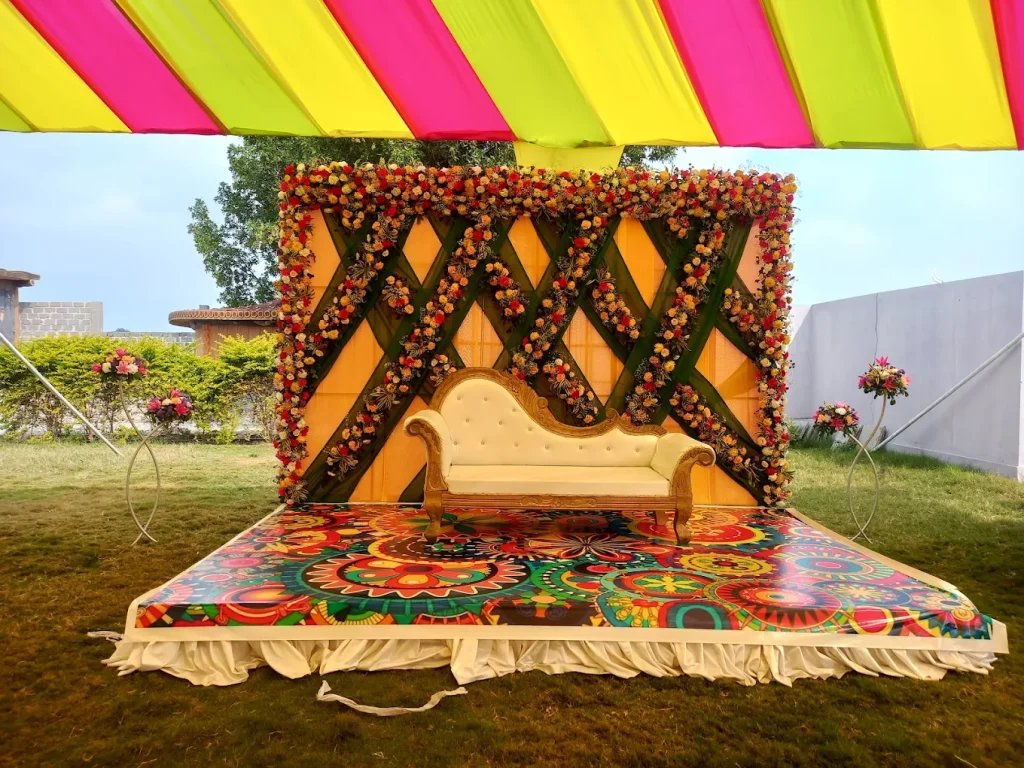
The Strategic Path to a Flawless Celebration
Executing a traditional Telugu wedding is an intricate journey that celebrates family legacy, sacred customs, and deep cultural roots. By approaching the event with structured milestones, clear logistical planning, and an eye for detail, you can protect the spiritual integrity of every ritual while treating your guests to a smooth, elegant experience.
At Prashasta Events, we specialize in translating complex cultural traditions into beautifully produced, stress-free realities. Our expert team handles the operational heavy lifting, leaving your family free to focus entirely on the joy of the celebration.
1.Secure Astro-Consultation & Muhurtham:Month 12.
Submit family birth charts to the Siddhanti to establish non-negotiable spiritual dates and precise time windows.
2.Lock Venues and Catering Assets:Month 10.
Contract high-capacity venues capable of managing large guest counts and verify that kitchen facilities support authentic multi-day catering menus.
3.Onboard Specialized Production Teams:Month 6.
Retain experienced planners, custom floral decorators, and technical crews aligned on a single master timeline.
4.Finalize Wardrobe and Assisted Draper Logistics:Month 3.
Purchase traditional Kanchipuram silks and assign professional styling support to handle quick mid-ceremony outfit changes.
5.Deploy On-Site Coordination Hub:Wedding Week.
Manage live guest transport loops, run technical audio-visual checks, and monitor timing cues alongside the officiating priest.




Leave a Comment