
Table of Contents
Demystifying Matrimonial Operations: What Does a Wedding Planner Actually Do?
When entering the complex world of high-end event production, couples and enterprise hosts often focus on aesthetic choices like floral accents, linen textures, and luxury lighting designs. However, beneath the surface of a beautifully orchestrated celebration lies a highly technical network of supply chains, zoning ordinances, contract law, and spatial engineering. To execute a flawless multi-day production, it is essential to look past superficial styling and ask: what does a wedding planner actually do to mitigate critical operational risks?
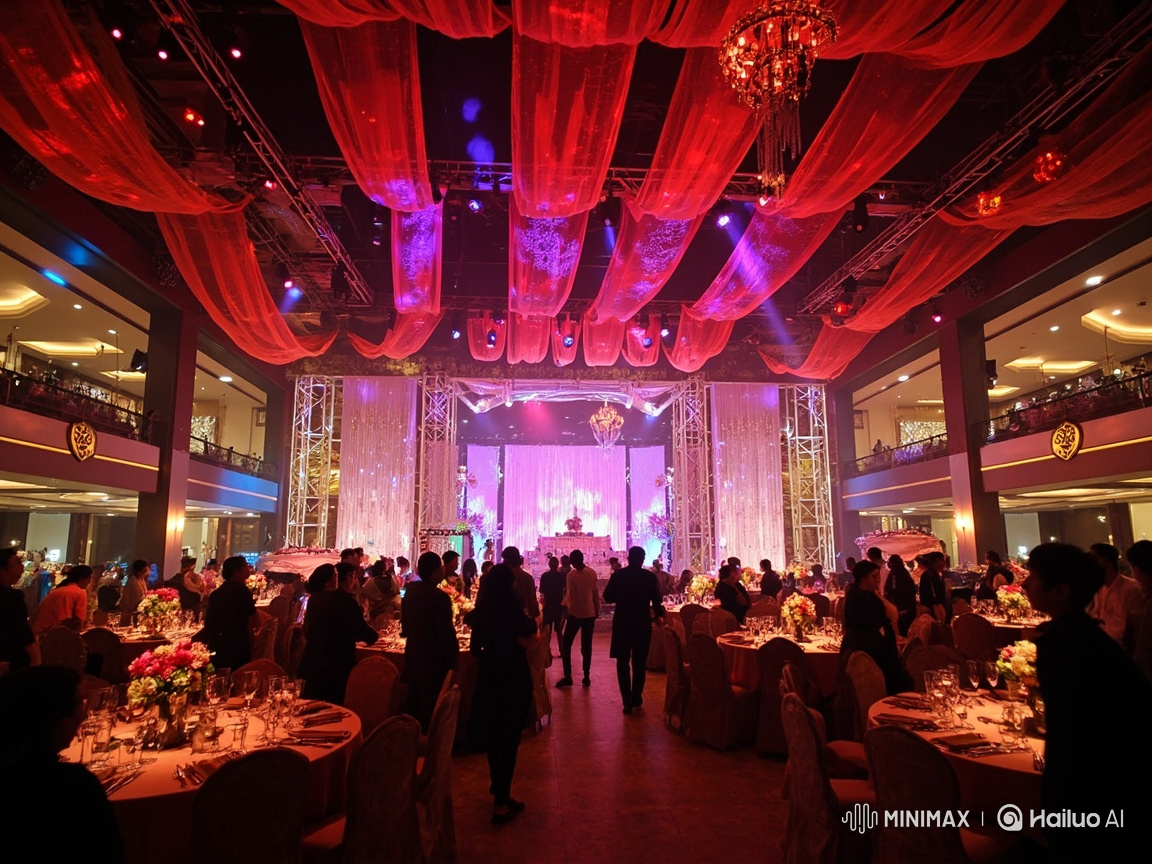
As large-scale events grow increasingly complex in 2026, the modern planner acts less like an interior decorator and more like a construction project manager. High-capacity matrimonial celebrations frequently involve temporary architectural installations, massive audio-visual networks, and delicate, fast-moving transportation schedules. Without rigorous professional oversight, key logistical details—such as venue electrical limits, load-in time codes, and fire-safety compliance regulations—can quickly fall apart.
With over fifteen years of hands-on experience directing grand hospitality operations and high-profile cultural gatherings, our production team knows that event excellence is built on structural precision. This comprehensive, expert-led analysis breaks down the true functional scope of professional event management.

Defining Professional Matrimonial Asset Management
Behind the Scenes of High-End Hospitality Operations
A bridal operations director or coordinator manages the entire lifecycle of a marriage event. They handle data-driven budget engineering, vendor risk management, structural venue site audits, civil permitting compliance, spatial layout drafting, and time-coded on-site logistics to ensure public safety and flawless execution.
By establishing an organized operational framework early on, these management specialists protect your financial investments and insulate you from costly structural design errors.
Why Professional Production Coordination is Critical
Managing a major celebration involves handling multiple complex moving parts simultaneously. Professional coordination acts as a protective shield for both your financial capital and the overall guest experience.
Mitigating Costly Utility Overloads and Vendor Disputes
High-output event production puts tremendous stress on standard venue utilities. When a design team installs massive LED screen walls, heavy automated lighting rigs, and dynamic sound systems without calculating circuit thresholds, they risk sudden blackouts. A professional coordinator pre-maps these power loads across synchronized backup generator networks to guarantee steady power.
Managing Complex, Compressed Timeframes
A typical luxury wedding involves several independent service groups, including custom carpentry teams, specialized audio-visual engineers, fine-dining caterers, and live entertainers. Without a unified, time-coded arrivals plan, loading docks can quickly become bottlenecked. These delays stall construction and frequently trigger expensive labor overtime penalties.
How it Works: The Lifecycle of a Professional Event
Transforming a creative vision into a safe, functioning physical environment requires breaking down the preparation process into strict, methodical production phases:
                  THE MATRIMONIAL PRODUCTION LIFECYCLE

       +-------------------------------------------------------+
       | Phase 1: Initiation   | Financial & Spatial Analytics |
       | Establish Line-Items, Run Laser Surveys & Core Caps  |
       +-------------------------------------------------------+
                                   |
                                   v
       +-------------------------------------------------------+
       | Phase 2: Design Plan  | CAD Engineering & Sourcing    |
       | Draft 3D Layouts, Audit Power Needs & Sign Contracts |
       +-------------------------------------------------------+
                                   |
                                   v
       +-------------------------------------------------------+
       | Phase 3: Compliance   | Civic Permits & Legal Filings |
       | Secure Fire Clearances, Noise Permits & PPL Licensing |
       +-------------------------------------------------------+
                                   |
                                   v
       +-------------------------------------------------------+
       | Phase 4: Execution    | Real-Time Flow & Load-In      |
       | Enforce Time-Codes, Check Safety & Route Crowds       |
       +-------------------------------------------------------+
1. Financial Analytics and Baseline Budgeting
- Establish total capital investment limits and break them down into separate line items for infrastructure, styling, catering, and tech.
- Review all vendor quotes to isolate hidden surcharges, travel expenses, and unverified material markups.
- Build a clear cash-flow calendar to track installment deadlines across the entire planning timeline.
2. Technical Site Inspections and Spatial Planning
- Conduct precise laser site surveys to measure true ceiling clearances, entry doors, and structural support limits.
- Draft highly detailed 2D floor plans and 3D CAD layouts to verify optimal seating densities and clear sightlines.
- Identify potential crowd bottlenecks at high-traffic areas like entry gates, valet collection zones, and buffet paths.
3. Vendor Risk Assessment and Contract Law Enforcements
- Audit outside vendor safety credentials, checking for valid public liability insurance and professional certifications.
- Structure comprehensive service contracts that include clear clauses for non-performance, weather delays, and cancellation terms.
- Establish formal backup plans for every primary supplier, including identical equipment reserves for vital technical systems.
4. Civil Permitting and Zoning Regulation Compliance
- Submit detailed space layouts to local fire safety offices to secure required structural safety sign-offs.
- Apply for public performance permissions and music copyright clearances from regional regulatory bodies.
- Coordinate with municipal zoning offices to confirm extended sound amplification allowances for outdoor spaces.
5. On-Site Load-In Sequencing and Technical Direction
- Design time-coded master loading schedules to stagger vendor arrivals and keep venue delivery docks clear.
- Supervise the construction of custom stages to ensure all platforms are structurally stable and meet weight limits.
- Confirm that all decorative textiles, wood backdrops, and faux greenery are treated with certified fire-retardant coatings.
6. Real-Time Crowd Flows and Schedule Management
- Monitor guest check-in gates, coat checks, and registration queues to maintain an efficient, welcoming flow.
- Direct technical stage crews during live transitions, managing cues for entertainment changes, audio shifts, and special effects.
- Coordinate directly with culinary leadership to ensure multi-course dinner services roll out precisely on schedule.
Variations and Specializations in Management Scope
The exact scope of an event manager’s responsibilities varies significantly based on the service model chosen. Review this comprehensive table to understand how labor hours, planning windows, and operational duties shift across different management packages:
| Management Service Level | Typical Planning Window | Primary Area of Focus | Essential Technical Deliverable |
| Comprehensive End-to-End Production | 8 to 14 Months | Total lifecycle management, from initial budget creation to final site cleanup | Full 3D CAD room layouts, custom structural designs, and master budget sheets |
| Partial Logistical Management | 3 to 6 Months | Stepping in mid-timeline to streamline supplier sourcing and handle system integrations | Consolidated vendor contact sheets, gap analysis reports, and mid-stage cash-flow tracking |
| Day-Of Event Coordination | 1 to 2 Months | Executing pre-arranged plans and supervising real-time on-site logistics | Time-coded master run-sheets, delivery dock schedules, and staff role assignments |
| Destination Logistics Directorship | 6 to 12 Months | Managing long-distance hospitality, guest transit routes, and cross-border shipping | Multi-vehicle charter schedules, guest hotel room blocks, and customs manifest logs |
Advantages and Strategic Value of Specialized Support
Investing in professional logistical support delivers substantial structural and financial benefits to families and event hosts.
Protecting Capital Investments Through Transparent Sourcing
An experienced operational director reviews every supplier estimate with a trained eye. Because they understand market wholesale pricing for structural elements like lumber rigging, digital printing, and LED components, they easily spot and eliminate unnecessary middleman markups. This ensures every dollar spent contributes directly to tangible on-site quality.
Enhancing Safety Control and Reducing Risk On-Site
By prioritizing risk management early in the planning process, professional coordinators keep emergency exits clear, verify structural engineering reports for hanging overhead rigs, and put clear medical response plans in place. This strict attention to detail protects your guests and keeps the event running smoothly without unexpected shutdowns.
Common Misconceptions Regarding Event Planning
Myth 1: Planners and Decorators Perform the Exact Same Job
This is a very common point of confusion. A decorator focuses almost entirely on visual presentation, color choices, and aesthetic style. In contrast, an operational coordinator handles technical logistics, contract legalities, municipal code compliance, and power distribution systems. While design creates the look, logistics ensures the structure functions safely.
Myth 2: Day-Of Planners Can Instantly Fix Deep Structural Mistakes
A day-of coordination team usually steps in just a few weeks before the event to execute pre-set plans. If a host makes major mistakes months earlier—such as booking an under-powered venue, skipping fire safety permits, or signing restrictive vendor contracts—a short-term coordinator cannot magically undo those errors at the last minute.
Myth 3: Event Managers Regularly Push Budgets to Higher Levels
In reality, a qualified operations expert acts as a financial safeguard. By building accurate cost breakdowns, identifying hidden service surcharges, and pointing out unrealistic supplier estimates, an experienced planner regularly saves hosts from costly overruns. They keep the budget grounded in real market values.
Practical Application Scenarios
Scenario A: The High-Capacity Coastal Resort Production
A family hosted a three-day celebration on an expansive open lawn at a premium coastal resort. The ambitious design required building a massive, multi-tiered covered performance stage right along the waterfront.
                      COASTAL PRODUCTION MATRIX

       +-------------------------------------------------------+
       | 1. Heavy Ballast Engineering Anchorages               |
       | Counterweights Secure Rigging Truss From Ocean Winds  |
       +-------------------------------------------------------+
                                   |
                                   v
       +-------------------------------------------------------+
       | 2. Marine-Grade Modular Sub-Flooring                  |
       | Reinforced Foundations Prevent Sinking into Wet Sand  |
       +-------------------------------------------------------+
                                   |
                                   v
       +-------------------------------------------------------+
       | 3. Synchronized Dual Generator Power Distribution     |
       | Parallel Backup Network Eliminates Resort Line Drains |
       +-------------------------------------------------------+
By following a strict engineering checklist, the production team used heavy water-ballast blocks to anchor the stage truss against shifting sea winds, laid down reinforced sub-flooring to keep structures from sinking into soft ground, and ran all audio-visual gear on a synchronized pair of mobile generators. The event went off perfectly despite a sudden coastal storm.
Scenario B: The Historic Urban Ballroom Celebration
An elegant wedding was held inside a highly restricted historic ballroom in the city center. The historic property featured narrow access elevators, fragile historic plaster work, and incredibly strict load-in timeframes.
                      HISTORIC VENUE BLUEPRINT

       +-------------------------------------------------------+
       | Pre-Assembled Modular Stage Panels (2-Meter Widths)   |
       +-------------------------------------------------------+
       | Non-Damaging Compression Scaffolding Wall Mounts     |
       +-------------------------------------------------------+
       | 4-Tier Overnight Vendor Load-In Rotation Schedule     |
       +-------------------------------------------------------+
The planner focused heavily on spatial limits and precision timing. They coordinated the manufacturing of custom modular stage pieces designed to fit perfectly inside the small freight elevators, used self-supporting compression rigs to avoid damaging the historic walls, and scheduled a tight, overnight vendor rotation. This meticulous planning allowed the crew to set up the entire space with zero damage to the historic venue.
What Should I Look for When Hiring a Wedding Planner?
Essential Evaluation Metrics for Premium Sourcing Teams
When choosing an event management team to oversee a high-capacity production, professional planners should look past glossy social media feeds and evaluate five core technical strengths:
- In-House Technical Space Designers: The agency must demonstrate the ability to produce detailed 2D and 3D floor plans that clearly map structural layouts, staging heights, and accurate seating limits.
- Proven Vendor Coordination Systems: Look for teams that use highly organized master tracking sheets to schedule and manage dozens of outside suppliers without creating on-site conflicts or delays.
- Thorough Risk Management Protocols: Ensure the coordinators provide clear, written contingency plans for sudden challenges, such as severe weather shifts, unexpected power failures, or medical emergencies.
- Deep Knowledge of Local Regulatory Codes: The team should understand exactly how to secure city zoning permits, fire safety clearances, and public performance licenses from regional authorities.
- Transparent, Line-Item Financial Frameworks: Choose partners who provide clear, honest budget breakdowns and structured payment tracking, ensuring you don’t face unexpected fees or hidden costs late in the process.
How Much Does Professional Wedding Management Cost?
Understanding Modern Industry Fee Architectures
When calculating the budget required to hire a premium event management team, hosts will generally encounter three common industry pricing models:
- Flat Professional Management Fees: For large-scale events, flat fees typically scale from ₹2,50,000 to ₹10,00,000+ based on the overall complexity, length, and guest capacity of the celebration.
- Percentage-Based Production Fees: Many top-tier management agencies charge a set percentage—usually ranging from 10% to 15%—of the total overall event build budget to handle end-to-end logistics.
- Month-of / Day-Of Coordination Retainers: Standard fixed rates for short-term logistics management and on-site event direction typically range from ₹1,00,000 to ₹3,00,000 depending on the work required.
FAQs
What is the main functional difference between an event planner and an on-site venue coordinator?
A venue coordinator works directly for the property, focusing on protecting the venue’s assets, managing in-house kitchen timing, and enforcing facility rules. An independent event planner works completely for you, managing all outside suppliers, tracking your overall budget, and supervising the entire technical production across every location.
How do professional planners manage sudden supplier cancellations just days before a wedding?
Experienced coordinators maintain a trusted network of backup suppliers with equivalent capabilities. Because they use standardized, clearly written contract terms and universal design files, they can quickly hand over technical specifications to a reserve vendor if a primary supplier faces an emergency.
Are city safety permits and music licensing fees typically included in a planner’s base management price?
No, base management fees cover the team’s professional labor, coordination time, and logistical oversight. All hard expenses for municipal permits, fire safety sign-offs, and music copyright licenses are billed directly as separate line items in your event budget.
How early in the planning process should we contract a full-service production manager?
We highly recommend hiring your primary management team 9 to 12 months before your target event date. Getting an expert on board early allows them to audit venue contracts before you sign, run accurate site inspections, and lock in premier vendors before they book up.
What steps do planners take to ensure guest privacy during high-profile or celebrity celebrations?
Management teams protect private events by setting up strict security gates, using non-transferable digital QR check-in codes, building specialized privacy fencing around open spaces, and requiring all outside suppliers to sign comprehensive non-disclosure agreements.
Can a partial planning package help us if we have already booked our main venue and caterer?
Absolutely. A partial planning model is ideal for hosts who have locked in their core locations but need expert help managing complex audio-visual setups, styling choices, transit logistics, and real-time coordination.
How do planners keep multi-course banquet menus hot when serving thousands of guests simultaneously?
Coordinators work closely with catering teams to set up specialized, heated plating kitchens right next to the main dining room. They also map out dedicated service paths and use calculated kitchen timelines to ensure food reaches every table quickly and at the right temperature.
What happens if an outdoor wedding venue experiences a sudden, unpredicted rainstorm?
Professional risk management plans always include a pre-arranged alternative layout. Planners keep on-call tenting crews on standby or secure a matching indoor ballroom at the venue to allow the entire event to shift inside smoothly within a pre-timed window.

Master Blueprint Summary: Engineering a Flawless Production
Successfully executing a grand, multi-day celebration requires stepping away from guesswork and embracing rigorous logistical planning. Understanding the clear, practical realities of what a professional management team handles allows hosts to navigate the complex vendor market with complete confidence, protecting their financial investment and ensuring public safety on-site.
Partnering with a dedicated technical event director ensures your project is built on accurate site surveys, balanced utility mapping, and airtight contract management. This focused approach removes the stress from the planning process, allowing production crews to deliver a spectacular, safe, and memorable experience for everyone involved.
For comprehensive spatial planning, technical venue audits, or to manage production logistics for your upcoming luxury celebration, consider working with an experienced advisory team like Prashasta Events. Our specialists draft precise layout diagrams, organize complex vendor schedules, and secure local safety permits seamlessly. Connect with an operational consultant today to schedule a detailed structural review.





Leave a Comment