

Table of Contents
Event Planning Checklist for Indian Weddings
Orchestrating the Indian Wedding: A Strategic Approach
Indian weddings are not merely ceremonies; they are complex, multi-day logistical masterpieces. The sheer volume of rituals, the scale of guest lists, and the diversity of cultural requirements make them one of the most demanding projects in the event management world.
For a couple or a family coordinator, the path to a flawless event is paved with meticulous documentation. An event planning checklist for indian weddings acts as your primary compass. It transforms a scattered vision of colors, ceremonies, and guests into an actionable, day-by-day workflow that ensures no ritual is overlooked and no logistics are left to chance.
This guide provides a professional framework to manage the complexity of traditional Indian celebrations, emphasizing the transition from emotional dreaming to strategic execution.
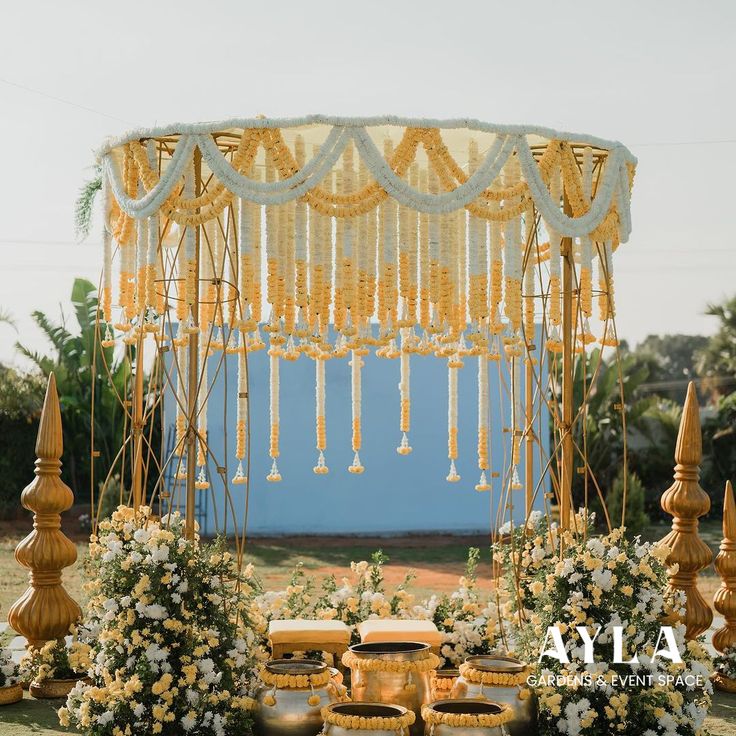
What is a Wedding Logistical Framework?
Snippet Ready Definition: A wedding logistical framework is a centralized, phased project management system tailored for Indian weddings. It integrates ritual-specific timelines, vendor requirements, guest hospitality management, and technical production schedules to ensure the entire multi-day event lifecycle flows seamlessly.
Why Is This Framework Important?
Indian weddings involve a unique “high-frequency” of events, often spanning three to five days. Without a centralized checklist, the probability of “Transition Friction”—the operational gap between one ceremony and the next—increases exponentially.
By adopting a professional checklist, you gain:
- Cultural Integrity: A clear map ensures that rituals like the Haldi, Sangeet, and Phere occur in the correct sequence with the necessary ceremonial items.
- Cost Efficiency: You can track the spending of multiple vendors (caterers, decorators, MUAs) in one place, preventing “budget leakage.”
- Hospitality Standards: An Indian wedding is defined by guest care. A checklist allows you to track arrivals, rooming, and dietary preferences, which are critical for out-of-town guests.
How It Works: The Planning Roadmap
Successful weddings follow a linear progression, even if the days themselves feel chaotic.
Phase 1: The Foundation (10–12 Months Out)
- Define the total budget and set a 15% contingency for inflation or last-minute additions.
- Finalize the guest list; this determines your venue capacity needs.
- Select a venue that can accommodate both the ceremony (mandap/stage) and the reception (dining/dance).
- Research and book “anchor” vendors (planner, catering, photographer).
Phase 2: Rituals and Production (6–9 Months Out)
- Detail the specific rituals required by your family traditions.
- Draft the Run of Show (ROS), the minute-by-minute timeline for each day.
- Begin decor design, ensuring the Mandap setup meets your ritual’s space requirements.
- Coordinate with makeup artists and styling teams to ensure transition times between events.
Phase 3: Hospitality and Logistics (3–5 Months Out)
- Book guest accommodation and transport.
- Coordinate “Welcome Kits” and airport transfers for out-of-town guests.
- Finalize the menu, ensuring a balance of regional specialties and international variety.
- Confirm technical requirements (AV, sound, and lighting) with the venue for the Sangeet.
Phase 4: Final Refinement (1 Month Out)
- Conduct a final walkthrough of the venue to check for sound and layout flow.
- Distribute the final, detailed itinerary to all vendors.
- Confirm all ritual-specific materials (puja items, clothes, gifts) are ready.

Types of Indian Wedding Flow
Indian weddings vary by region and community, yet the logistical requirements remain consistent:
- The Multi-Day Destination Wedding: Focuses heavily on guest logistics, arrival patterns, and “hospitality zones.”
- The Traditional City Wedding: Focuses on crowd management, valet, and high-volume dining coordination.
- The Intimate/Modern Celebration: Focuses on decor quality, personalized guest gifts, and tech-driven production.
Advantages of Professional Coordination
Professional organisers provide “Reputation Insurance.” When you outsource the logistics, you allow the family to participate in the rituals rather than managing them. Furthermore, professionals provide a barrier between the family and vendor disputes, ensuring the couple experiences a joyous celebration rather than an administrative headache.
Common Mistakes to Avoid
- Underestimating Transition Time: Moving 300 guests from a Mehendi setup to a dinner setup takes longer than you think. Always build in a 30-minute buffer.
- Ignoring the “B-List”: Not having a clear plan for unexpected guests or last-minute RSVP shifts is a recipe for catering disasters.
- The “Everything-At-Once” Trap: Trying to handle decor, food, and photography simultaneously. Use a checklist to force a logical sequence.
Practical Examples: Two Scenarios
Scenario A: Managing the Sangeet Logistics
A client wants a high-production Sangeet. The checklist identifies the need for:
- Rehearsal space for family performances 48 hours prior.
- A specific audio-sync schedule for the DJ.
- A dedicated spot for the bride and groom to change outfits without being seen by guests.
Scenario B: Catering for the Main Ceremony
For a large wedding, the caterer needs access to the venue 12 hours before the ceremony. The checklist flags this as a “Critical Path Item,” ensuring the venue allows early ingress, preventing a lunch service delay.
Frequently Asked Questions
1. How do I manage diverse guest dietary needs? Create a master spreadsheet linked to your RSVPs and share it with the catering head. Ensure clear signage for vegan, gluten-free, or specific religious food requirements.
2. What is the most stressful part of the wedding day? The transition between the groom’s arrival (Baraat) and the main ceremony. This requires tight coordination between the DJ, the photographer, and the entrance team.
3. Do I need a specific checklist for religious items? Yes. Create a “Ceremonial Kit” list containing all items required for puja, gifts, and ritual offerings to avoid frantic last-minute shopping.
4. How do I coordinate family performances? Appoint a “Family Coordinator” to collect music files and practice schedules, so you don’t have to manage these tasks during the main planning phase.
5. How much buffer time is needed between events? For Indian weddings, always aim for at least 60–90 minutes between major ritual segments to allow for guest movement, photo sessions, and setting the next stage.
6. What if the venue doesn’t have an indoor backup? If you choose an outdoor lawn, your contract must specify that the venue provides a high-quality, professional-grade tenting or a pre-arranged indoor backup room.

Conclusion: Orchestrating the Journey
Planning an Indian wedding is a marathon, not a sprint. The beauty of the day relies on the strength of the plan behind it. By utilizing this checklist as your primary operational map, you shift the burden of organization from your memory to a professional system.
At Prashasta Events, we understand that every ritual holds profound meaning. Our role is to ensure those meanings remain the focus of your day, while we navigate the logistical complexities. If you are preparing for your big day, we invite you to reach out for a consultation—together, we can turn your vision into a seamlessly executed memory.


Leave a Comment